People and society
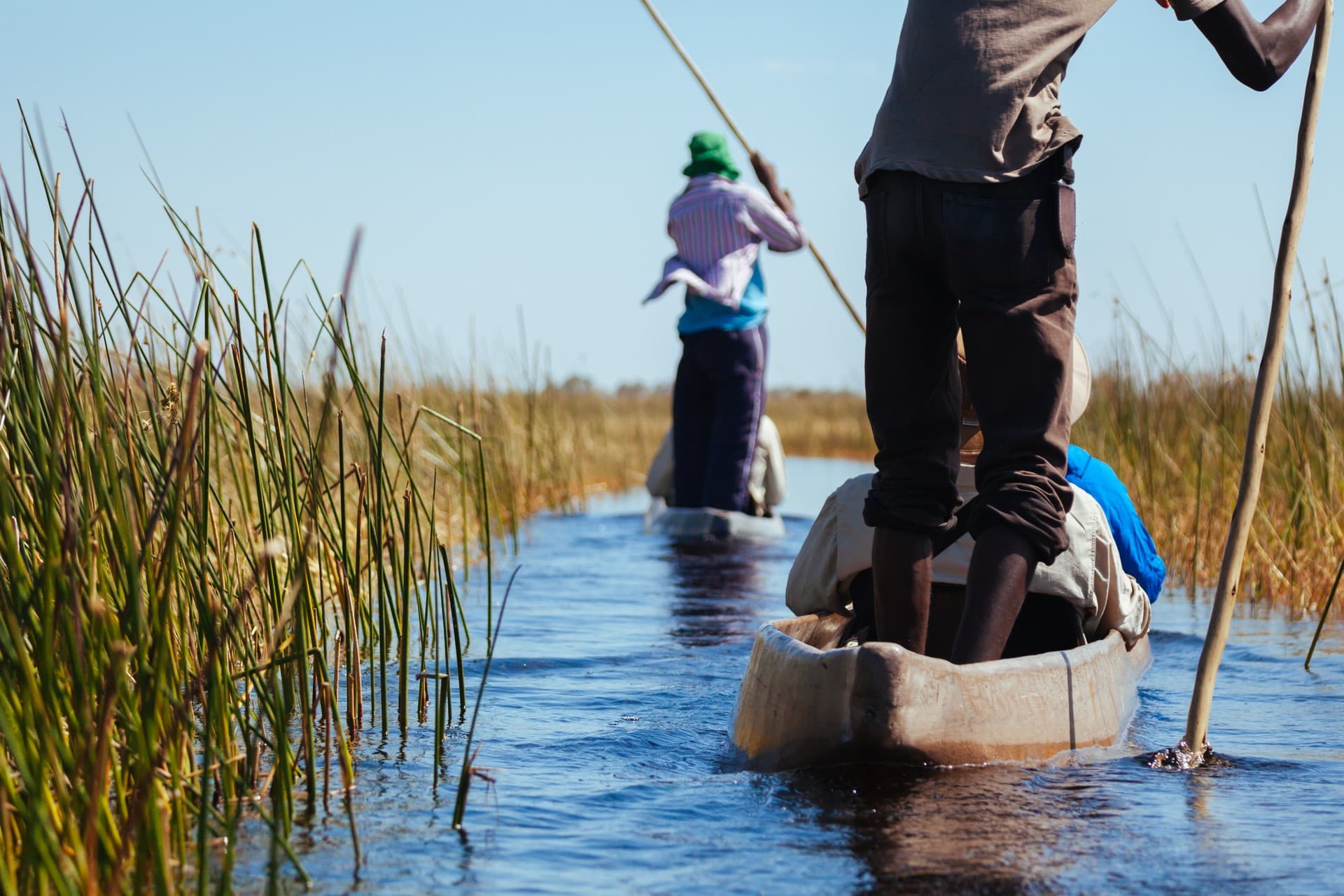
Our trips revolve around local people and businesses, as we believe all trips should - this is a key ethical foundation stone for us here at TravelLocal.
We encourage local partners to ensure, where they can, that your trip directly benefits the local economy of your chosen destination. As you might expect, our partners prefer locally-owned accommodation and choose to work with local businesses when and where possible, as long as these meet their standards and fit your requirements.
Local working policy
Almost all of our local partners are locally-owned, meaning they are registered and pay taxes in your chosen destination, and employ mostly locals on the ground. There are a small number of exceptions to this, where for example, registering locally in a certain country might result in undue financial pressure or corruption from the local government. Registering outside of a specific destination is sometimes the difference between having a viable business and not - and in those situations, we choose to support that local travel partner. In other cases, the available choice of local travel partners isn’t quite right for us, whereas companies regularly operating in your chosen destination from neighboring countries may better align with our vision.
We try to work with local travel partners who strive for fair employment standards within their own workplace, including having policies surrounding fair payment and hours, health and safety, dismissal, child labor, and discrimination.
Some of our partners may have staff based partly abroad: this is becoming increasingly common with the advent of remote working. Rather than imposing blanket rules around this, we assess the specific circumstances of each partner we work with. Fundamentally, what’s most important to us is our partners’ local knowledge and expertise.
Our stances on…
Indigenous interactions
A negative experience with indigenous peoples can feel exploitative, voyeuristic, or false. Our aim is to only offer local community excursions that benefit the people visited, and create a genuine intention to share and appreciate cultural differences, rather than a contrived or potentially damaging interaction. We strive to work with trusted local travel partners who have the same ethos as us with regards to the fair treatment of indigenous peoples.
Visiting orphanages
We don’t offer trips to orphanages, as there are numerous instances of false orphanages being used to draw in tourists. The children they claim to help are, in many cases, mistreated; some may have been trafficked or kidnapped in order to draw the sympathy and donations of well-meaning visitors. You can visit the Association of British Travel Agents (ABTA) for more details.
Dark tourism
Dark Tourism refers to visiting sights primarily associated with death or tragedy. It is not unusual to visit these, as an opportunity to learn while respecting the site and the community. We would generally encourage any such visit to be with a local guide, who can explain local feelings about the place and provide essential context on why the specific tragedy happened.
Souvenirs
Purchasing locally-made products directly from artisans and markets is a great way to make sure more of your trip spending reaches the local economy of your destination. We strongly discourage the purchase of souvenirs containing threatened flora and fauna species, any illegally obtained / archaeological artifacts, or other such sensitive items. Not withstanding the detrimental effect on the local ecosystem and/or cultural heritage, please bear in mind that you would most likely be committing a crime in doing so.
Instances of political unrest
Political upheaval in a destination raises all kinds of questions over whether you should travel there, and whether we should offer that particular country to customers. Though we understand the purpose of boycotting, at TravelLocal we believe that such an absolute decision isn’t always the answer. The locals who depend on tourism for their livelihoods end up severely affected by economic devastation outside of their control, and the lack of outside influence that follows a boycott can lead to an isolationist environment – counterproductive to change.
It is never simple to decide where the line of boycott lies. That said, we take each scenario on a case-by-case basis. These issues are always complex and there is no ‘one rule fits all’.
Our commitment to human rights
At TravelLocal, we believe that every person connected to the journeys we help create deserves to be treated with dignity and respect. That includes our own team as well as the local travel experts and businesses in our partner network. It includes the communities our travelers visit. And it includes our travelers, themselves.
We are committed to respecting human rights across our operations and value chain, in line with the UN Guiding Principles on Business and Human Rights (UNGPs). This means we take responsibility not just for our own conduct, but for understanding and addressing the human rights implications of who we work with and what we do.
In practice, that means:
- We maintain fair, transparent employment practices within our own team, including signed contracts, clear pay structures, and accessible routes to raise concerns
- We select and support local travel partners who uphold fair working conditions and ethical business practices, and we conduct spot checks
- We ensure there are accessible routes for any person — staff, partner, or traveler — to raise a concern through our support inbox
Human rights due diligence is ongoing work, not a box to tick. We are committed to learning, improving, and being honest about where we fall short.
If you have any questions or concerns, reach us at sustainability@travellocal.com.
Our commitment to justice, equity, diversity and inclusion
Travel has long been unequal — in who gets to go, whose voices shape the story, and who benefits from the industry. We think that needs to change. At TravelLocal, we are committed to the principles of justice, equity, diversity and inclusion in our own workplace, in our partner network, and in how we talk about the world.
Justice means recognizing that systemic inequalities exist, and working to address them; not just in principle, but in practice. Equity means ensuring our processes, opportunities, and policies account for difference, rather than pretending a level playing field already exists. Diversity means actively seeking and valuing different perspectives, backgrounds and experiences. Inclusion means creating spaces where all of those perspectives are genuinely heard.
What this means for us, day to day:
- We are building a team that reflects a range of backgrounds, experiences and perspectives, with inclusive hiring practices that remove unnecessary barriers
- We work with local travel experts across 80+ destinations — many from communities underrepresented in mainstream tourism — and our contracts implement fair working conditions across our network
- We collect data on who we are and how we're doing, and use it to inform our actions rather than to paper over gaps
- We take time to reflect on where our own blind spots might be, and to listen to our team and partners when they point them out
We are at the beginning of this journey, not the end. We will continue to set actions, measure progress, and report honestly on what we find. If you have thoughts or feedback on our approach, we would love to hear from you: sustainability@travellocal.com.


