


Summer in Europe: our most refreshing destinations
March 4, 2024
Sun-drenched destinations
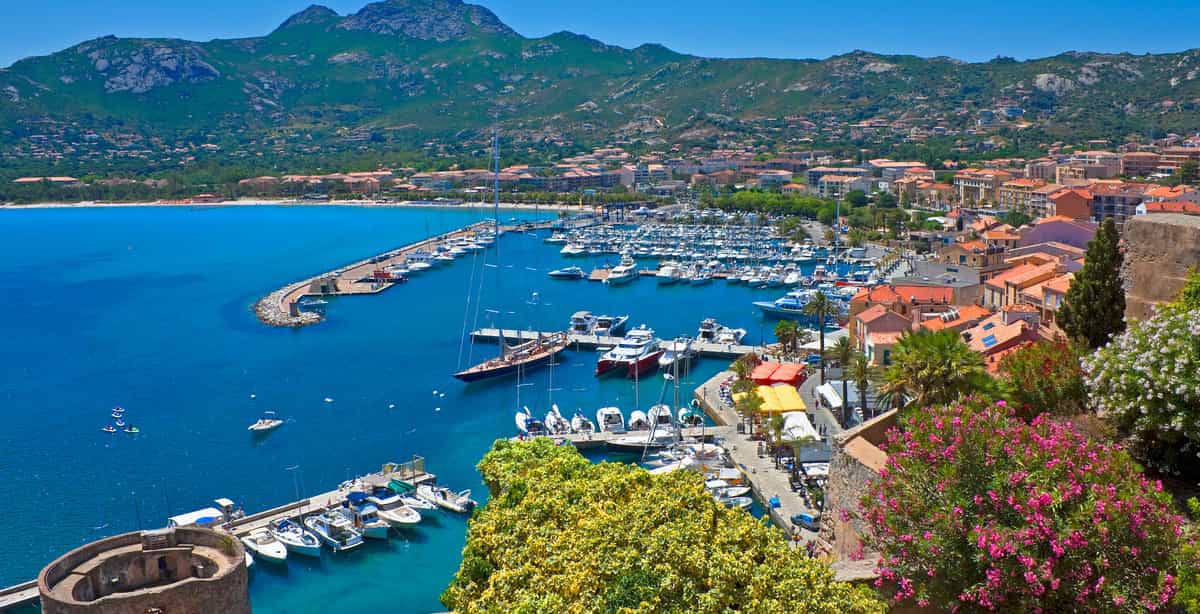
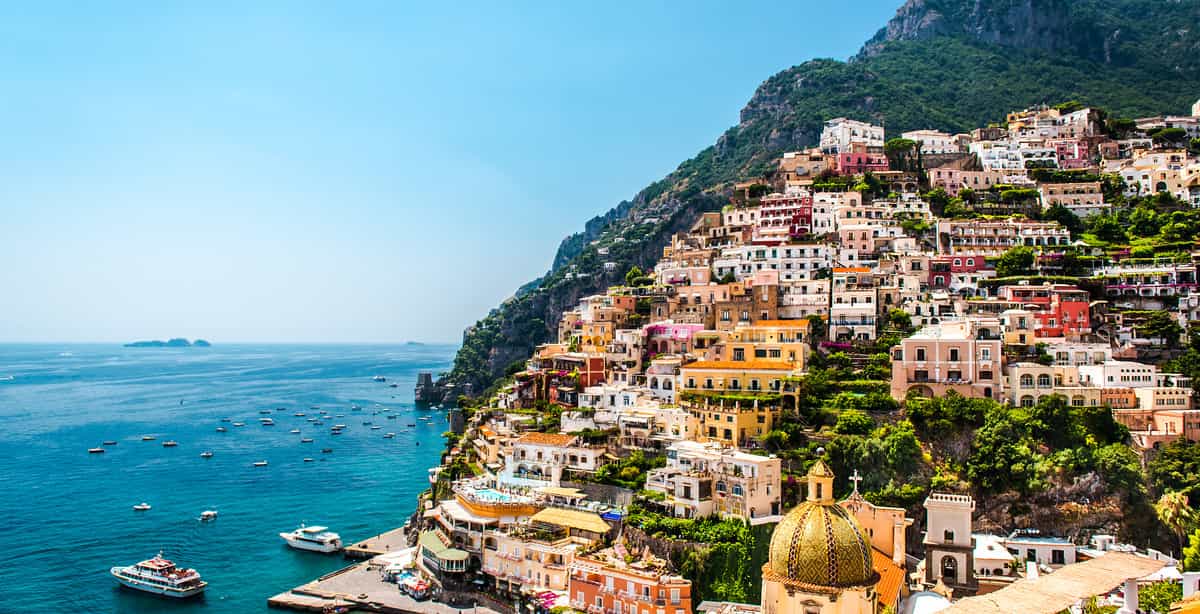
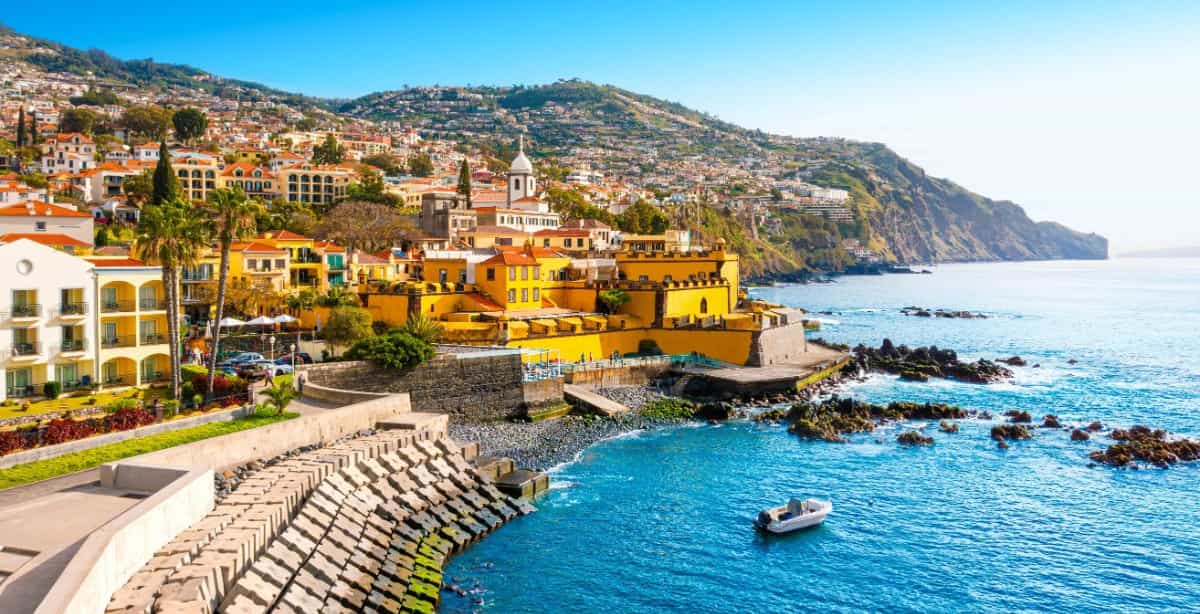
Few parts of the world pack as much variety into one region as Mediterranean Europe — ancient ruins, mountain villages, sun-soaked coastlines, and some of the world's best food. Browse our collection of tailor-made Mediterranean vacations and find the trip that fits you.
Trip ideas
Browse the best trip ideas put together by our local experts. Use them as a starting point for crafting your own bespoke trip to Mediterranean Europe.
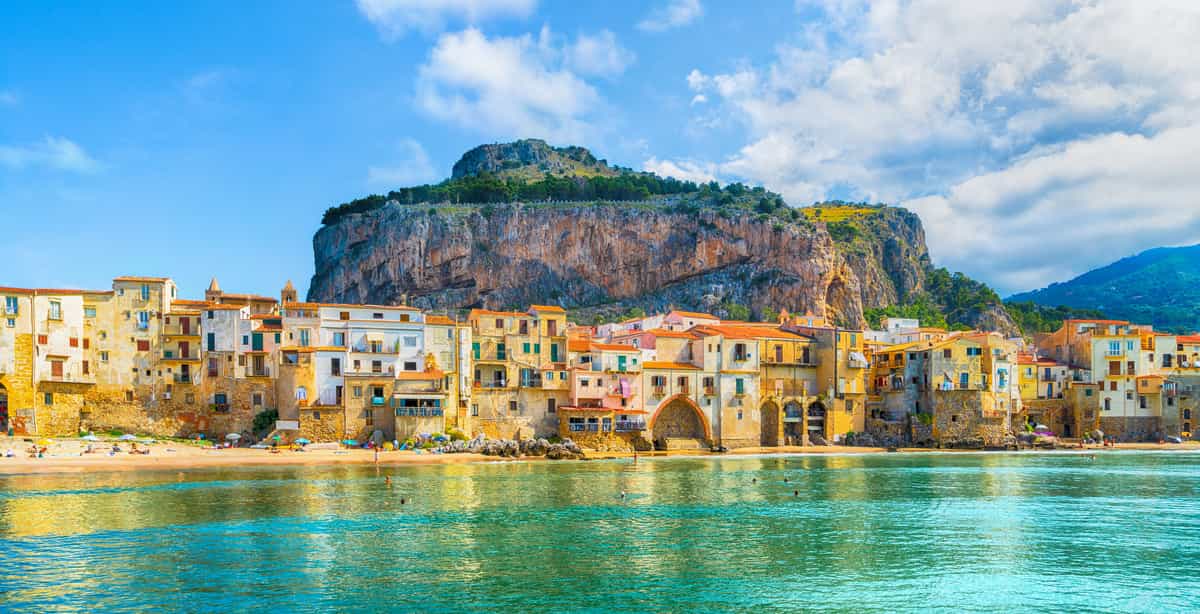
"For a less touristy trip to the Mediterranean, try Sicily: it offers incredible experiences with fewer crowds, and showcases authentic culture and natural beauty."
Visit ItalyArticles
From the beaches of Albania to the gorgeous Greek Islands, our articles are full of inspiration for your next big trip!
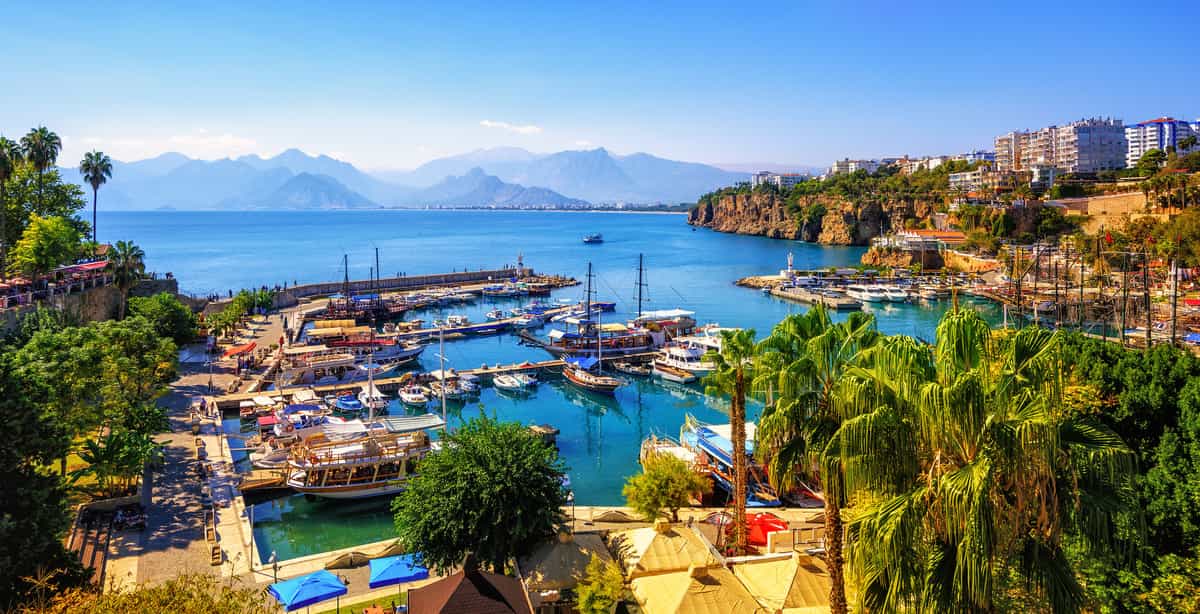
Mediterranean Europe refers to the countries of southern Europe that border the Mediterranean Sea. That includes Spain, France, Monaco, Italy, Slovenia, Croatia, Bosnia and Herzegovina, Montenegro, Albania, Greece, and the island nations of Malta and Cyprus. Turkey is sometimes included depending on context, given its significant Mediterranean coastline and its position as a bridge between Europe and Asia.
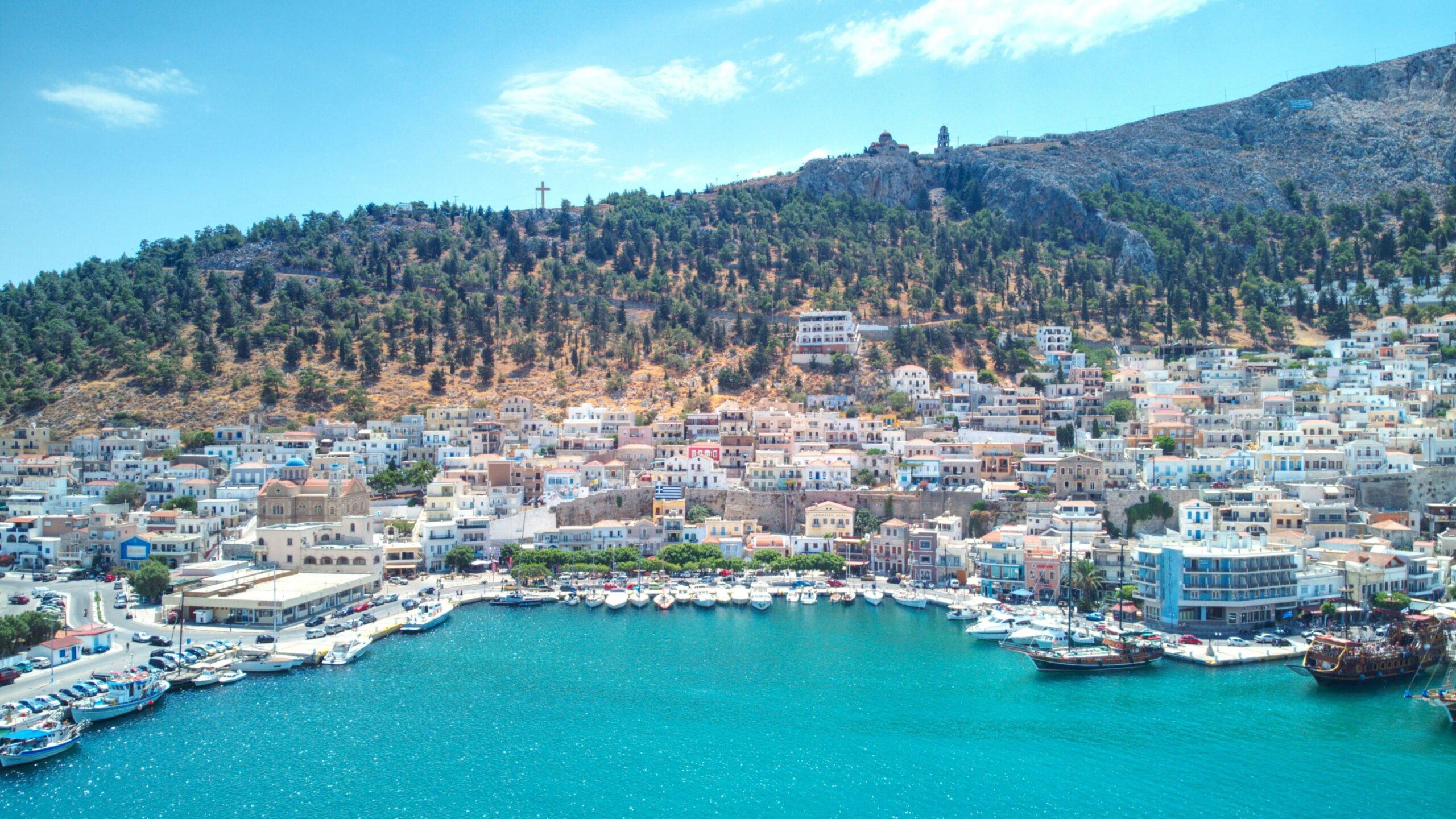
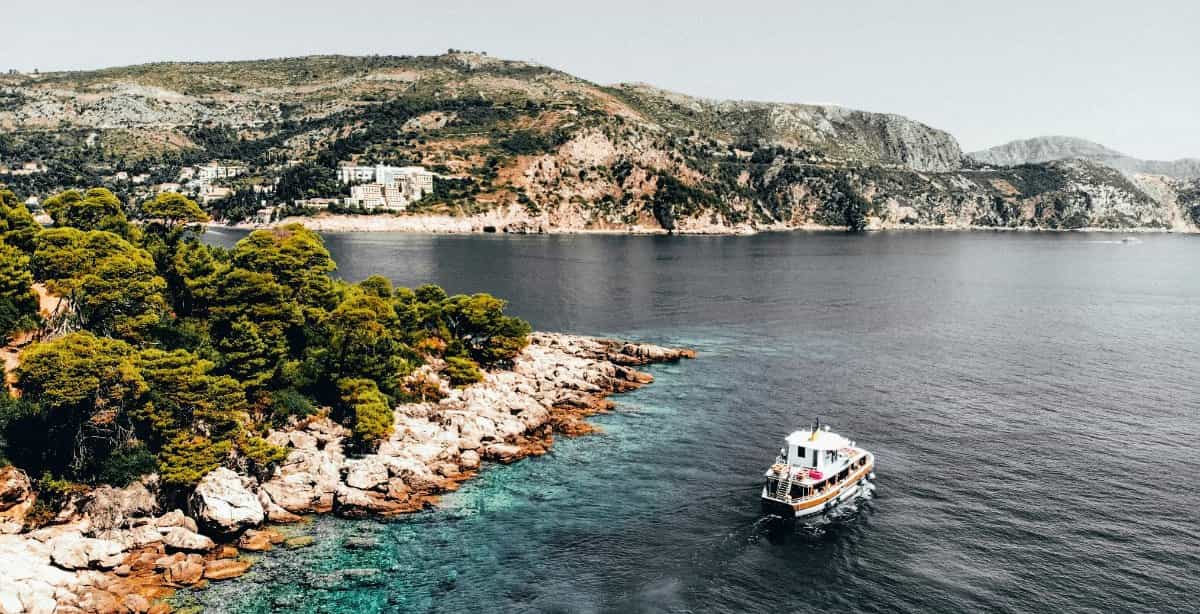
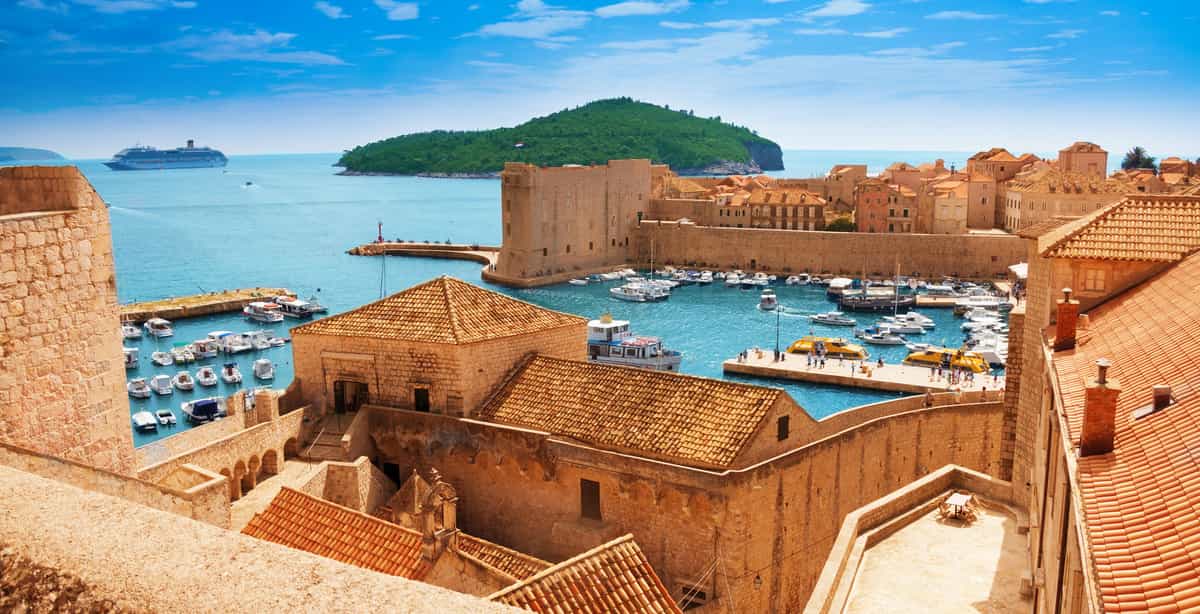
What these countries share is a broadly similar climate, strong culinary traditions built around olive oil, fresh produce and seafood, and a long history of trade and cultural exchange that has left its mark on everything from architecture to language. From the glitz and glamour of the French Riviera to the quiet fishing villages of the Albanian Riviera and the walled medieval cities of Croatia’s Dalmatian coast, this region offers a wide range of unique travel experiences.
Read more: For a sense of what Mediterranean Europe has to offer, our guides to exploring Croatia, the best places to visit in Greece, and five unique ways to experience Albania capture that contrast well.
The name comes from the Mediterranean Sea, which forms the region’s natural boundary. “Mediterranean” derives from the Latin words for “middle of the land,” reflecting the sea’s vital role in the ancient world as a trade route and a source of food and livelihood for the civilizations that developed along its shores.
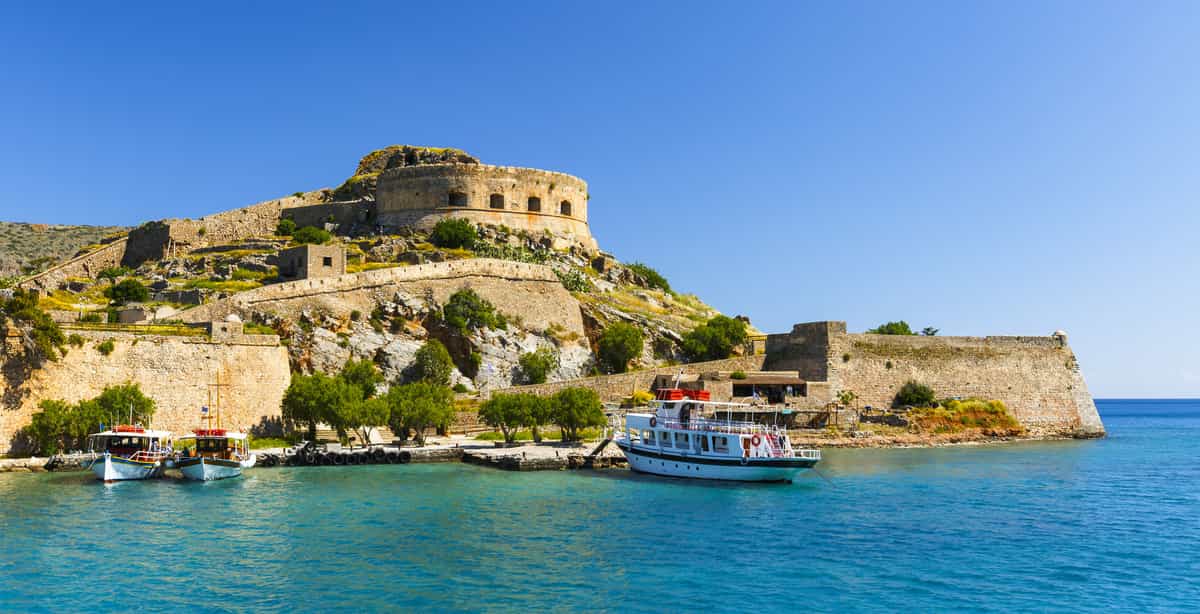
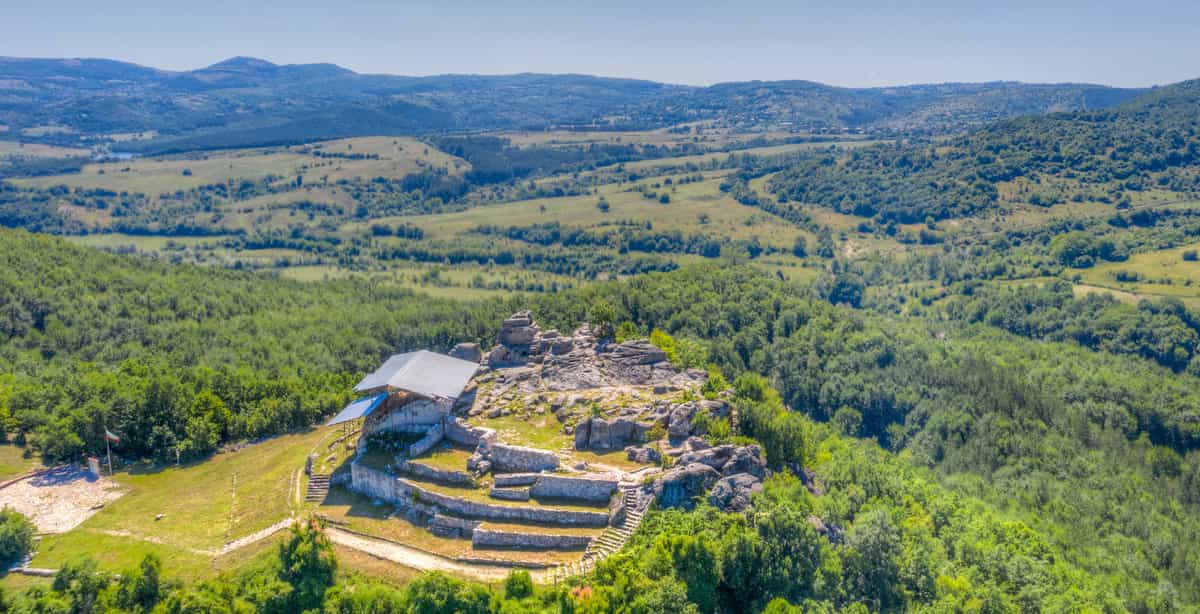
For much of its history, the Mediterranean has been a key connection between Europe, North Africa, and the Middle East. The Romans, Greeks, Phoenicians, and Ottomans all built empires that depended on it, and the legacy of that history is visible across the region today. You can see it in the ruins of ancient cities, the layout of medieval ports, and the food traditions that have remained largely unchanged for centuries.
That history is a big part of what makes a Mediterranean trip so compelling. Our guides to must-visit historic sites in Europe and the top 10 UNESCO World Heritage Sites of Greece are worth reading for travelers who want to explore the region’s past.
The Mediterranean coast draws millions of visitors every year, most of whom head to the same handful of destinations. These are some of the places worth considering instead, or alongside the classics:
Read more: For lesser-known corners of the Mediterranean, our guide to alternative Europe: top under-the-radar destinations is worth reading.
Sicily is the largest island in the Mediterranean Sea, covering around 25,700 square kilometers. It sits at the toe of the Italian boot, separated from the mainland by the narrow Strait of Messina, and has been shaped by Greek, Roman, Arab, Norman, and Spanish civilizations. Each of these cultures has left its mark on the island’s architecture, food, and culture.
Sicily stands out as one of the Mediterranean’s most captivating destinations. You can explore ancient Greek temples at Agrigento and Selinunte, the Baroque towns of the Val di Noto, the volcanic drama of Mount Etna, and a coastline with some of the Mediterranean’s most beautiful beaches. For more inspiration, our beginner’s guide to Sicily covers the island in full.
The second-largest Mediterranean island is Sardinia. It’s wilder, more sparsely populated, and has a culture and dialect that feel distinct from mainland Italy. Our beginner’s guide to Sardinia breaks down what to see, do, and eat there.
Several major European cities sit on the Mediterranean coast. Here are some of the most popular:
For more Mediterranean vacation ideas, browse our collection of tailor-made trip ideas, each crafted by a local expert with firsthand knowledge of the region.
Join our mailing list for travel inspiration, trip recommendations, and insights from our local experts.
Join our mailing list for travel inspiration, trip recommendations, and insights from our local experts.