Our travelers’ favorite cultural journeys around the world
September 23, 2026
South Africa is one of the most culturally diverse nations in the whole of Africa, with 11 official languages! Here at TravelLocal, we’re advocates for exploring the full cultural tapestry of the destinations we visit, to truly understand our glorious and varied world heritage. In this piece, we look at the depths of South African traditions and cultural groups, including the history and events that have built each group’s sense of pride and identity.
South Africa is called the Rainbow Nation for a reason. Its 11 official languages—from widely spoken Zulu, Xhosa, Afrikaans and English, to smaller regional tongues like Venda, Swazi and Ndebele—reflect thousands of years of history.
Indigenous peoples had shaped South Africa with their languages, farming and social traditions for millennia; long before Europeans arrived in the 1600s, followed by Asian peoples from the 19th century. Today, this intricate cultural variation persists in South Africa. Each region has its own food, crafts and music, as well as ceremonies, rituals and skills, that have been preserved through generations.
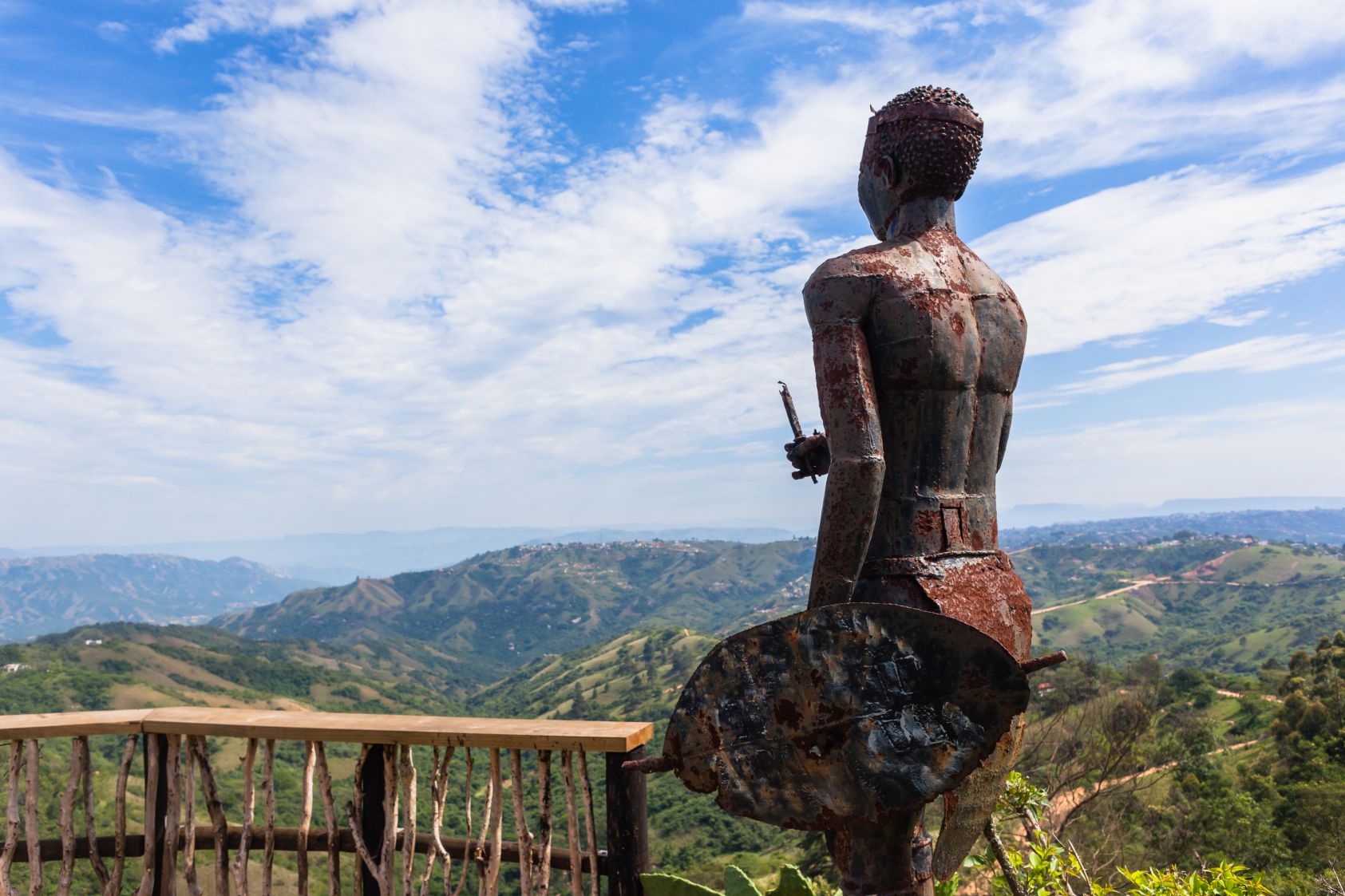
First, the Zulu people, who make up around a quarter of the population and are South Africa’s largest cultural group.
Zulu culture is known for its joyful ceremonies, chant-style singing, and rhythmic, spirited dance performances. Much of daily life revolves around respect for family and community, storytelling through music, and spiritual connection to those past. Zulu people make and wear brightly-colored beadwork which they often wear as bibs, capes or necklaces.
The annual Reed Dance (Umkhosi woMhlanga) is a coming-of-age spectacle, where hundreds of young women dance and sing in unison while offering reeds to the royal chief; a promise to uphold Zulu values. You may come across marriage negotiations involving trade of cows (called lobola), or an incredible, multi-day Zulu wedding, awash with bright clothing, gift-giving, and yet more singing and dancing!
Where are Zulu people based? You can experience Zulu culture primarily in KwaZulu-Natal, along the country’s eastern coastline, including Durban, Pietermaritzburg and the surrounding valleys and hills.
The second biggest group, the Xhosa people have roots that stretch back centuries, and are most strongly linked to the hills and coast of the Eastern Cape.
The Xhosa people hold a big emphasis on ceremony; they practice Ulwaluko, an important initiation ceremony which marks a boy’s transition into manhood; and ancestral healing rituals using sangomas and inyangas (spiritual healers and medicine specialists). Like the Zulu, Xhosa weddings are colorful, week-long celebrations; often guests decorate their faces with paint. Music and handicrafts are a big part of daily life for the Xhosa.
Where to experience Xhosa culture: Visitors can explore Xhosa culture in the Eastern Cape, particularly around Mthatha, Qonce, and the Wild Coast.
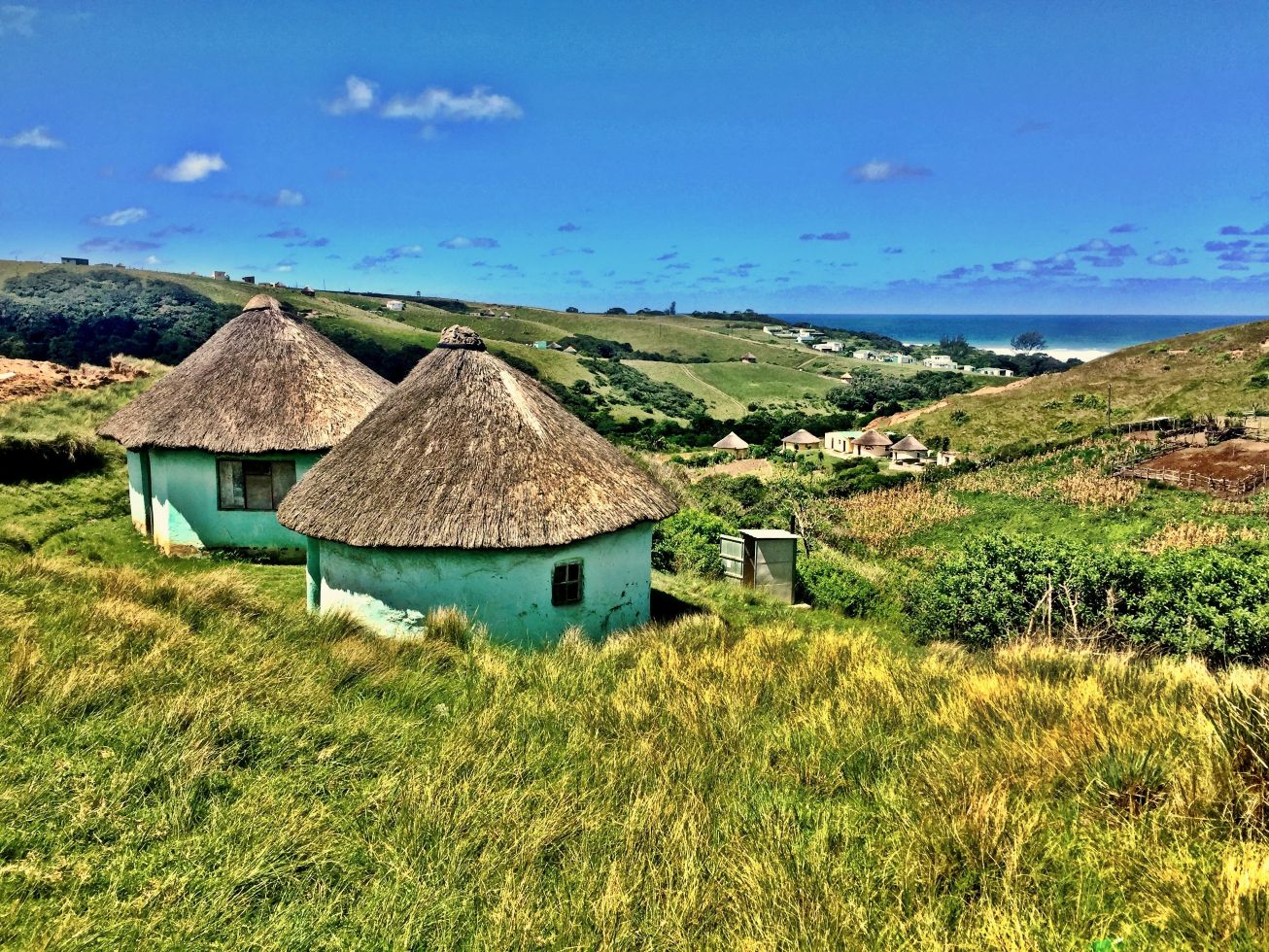
The Afrikaner community makes up around 5-6% of the population, and started with the Voortrekkers; Dutch migrants who moved inland from the Cape Colony during the 19th century to establish their own farms and communities.
Afrikaners are partly known for their language, Afrikaans, which evolved from Dutch with some German, French, and local dialect. The European influence also shows through their thatched, Cape Dutch-style houses, and many observe Christian traditions. Otherwise, Afrikaners love celebrations of food, such as Braai barbecue, which originated with them, along with singing and music. This is no better presented than on Heritage Day, a celebration in the streets which honors the Voortrekker legacy each year.
Where to experience Afrikaner culture? Afrikaner culture is concentrated in the Western Cape, Free State and Gauteng—including Cape Town, Stellenbosch, Pretoria and Bloemfontein.
The Cape Malay peoples make up only 1-2% of the population in South Africa, but the influence on wider culture is strong, especially in Cape Town. The Cape Malay were brought to the Cape in the 17th and 18th centuries from Malaysia, Indonesia, and other parts of Southeast Asia – often as slaves or laborers. Over the years, their traditions have blended with local influence, and the resulting identity is one of strength, pride and celebration.
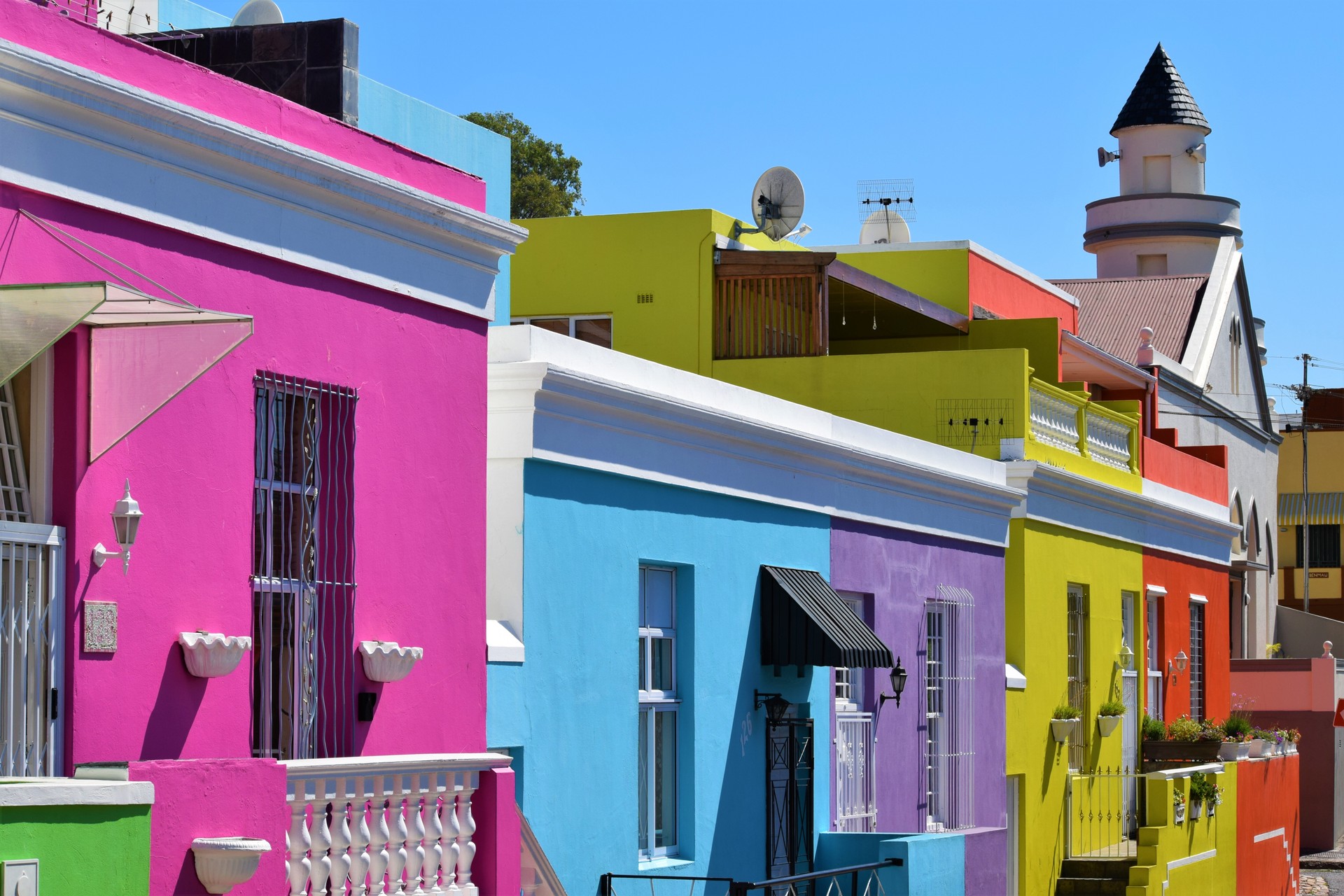
Some of the tenets of Cape Malay culture have become synonymous with South Africa—spicy Malay-inspired sambals and curries, the gorgeously painted Bo-Kaap neighborhoods, the uplifting sounds of Cape jazz and ghoema drumming. In terms of day-to-day life, many Cape Malayans are devoted to their faith, predominantly Islam, as they gather for daily prayer and observe events like Eid.
The Kaapse Klopse (Cape Town Minstrel Carnival) every January 2nd is a great way to witness this pride; it’s a jubilant, rhythm-filled extravaganza that fills the streets. Watch parades of dancers in sequined costumes, musicians with thumping drums and decorated observers, as the Cape Malay express true freedom in who they are.
Where can I experience Cape Malay culture? Visitors can explore the Bo-Kaap on walking tours, cooking classes, or homestays—there is a strong presence in Cape Town, which is where the Kaapse Klopse takes place.
Making up another important strand of South Africa’s intricate heritage is the Indian South African community. They’re largely descended from laborers and traders who arrived in the 19th and early 20th centuries, mostly to work on sugar plantations in KwaZulu-Natal, or build business in some of the core cities.
Durban is known as the hub of Indian South African heritage, occasionally called the ‘Indian capital of South Africa’, as many settled here during the colonial era. Here you can try the legendary cuisine; the fragrant and spicy ‘Durban curry’, rice dishes, samosas, and sweet snacks like jalebi and ladoo. Bunny chow, a national dish, is also an Indian South African invention: a hollowed-out bread roll full of flavorful curry.
You’ll spot Indian South Africans at temples and mosques as many are practicing Hindu, Muslim or Sikh, as well as at national Indian festivals like Diwali, Holi and Eid. These are always fun events with traditional Indian music blaring from speakers, bread broken with neighbors, and streets festooned with twinkling lights.
Where can I experience Indian South African culture? This community is mostly based in KwaZulu-Natal, especially around Durban, but there are Indian South African communities in many urban centers.
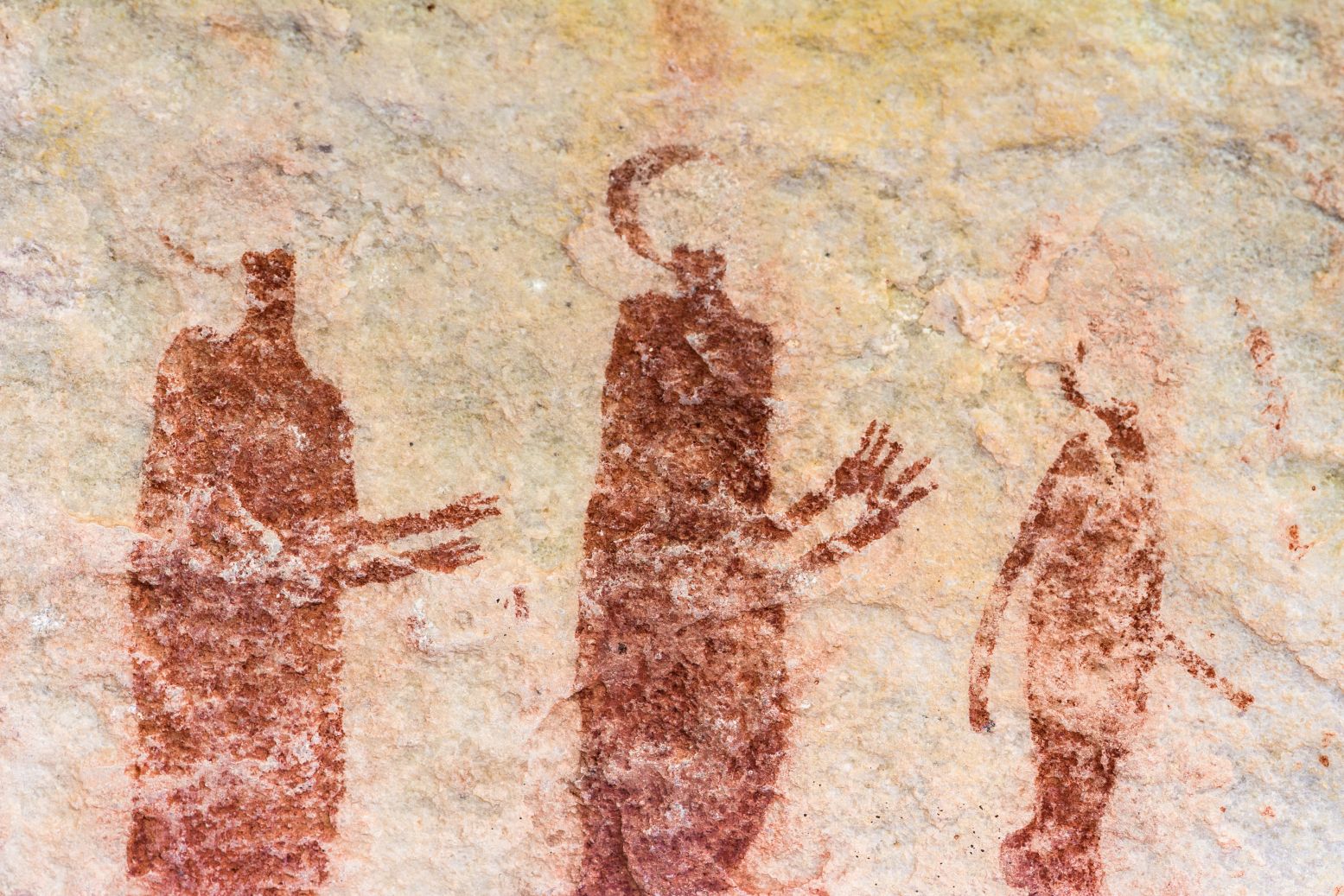
The San and Khoi indigenous communities are the descendants of the first ever South African inhabitants. Despite the persistent threat of displacement, these communities have shown true grit in preserving their way of life and customs—including their click language, nature-led rituals, and fascinating rock art storytelling. They are the oldest and one of the most at-risk communities of today’s South Africa.
The Khoi and San people are preserving man’s most ancient survival techniques; with a way of life deeply embedded in ecology, spiritual rituals, and respect for the land.
Where can I experience the San and Khoi indigenous cultures? Today, San and Khoi communities are consistently threatened by displacement—however they live mainly in the Northern and Western Cape and Kalahari Desert. They sustain themselves by hunting and herding as they always have; but have modernized by selling crafts, engaging in tourism, and educating visitors on their heritage.
The Sotho, Tswana and Pedi peoples are collectively known as the Sotho-Tswana cultural group. They’re relatively widespread in South Africa, but have deep roots in the central plateau and northern regions.
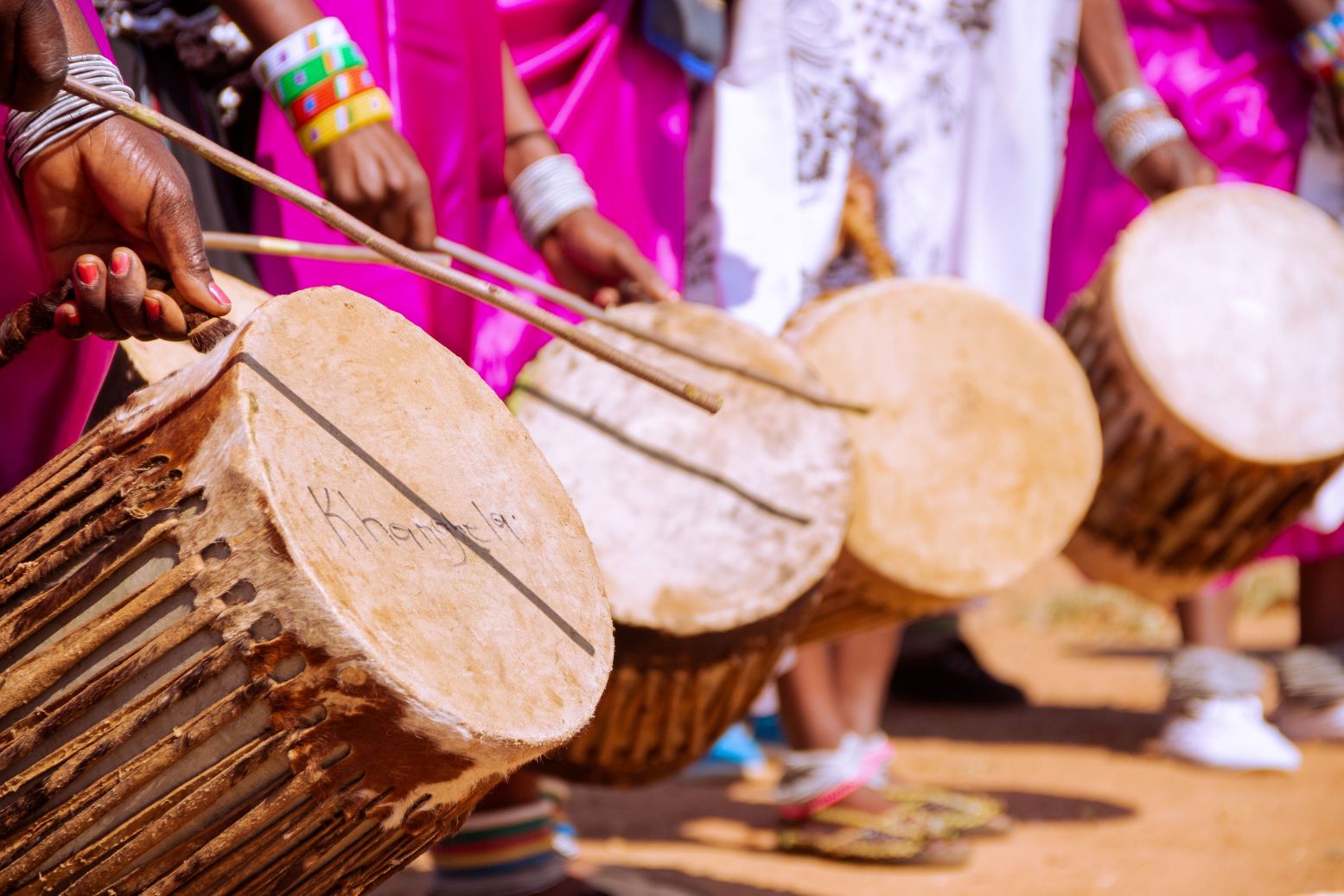
The Sotho-Tswana exist in tight-knit community systems, with a focus on traditional leaders and kinship. They honor time-worn community traditions, with rituals such as the initiation school system, which involves periods of ‘training’ their young people to become adults with values. As with many South African cultural groups, music and oral storytelling is also given great reverence, and honored using praise poetry, rhythmic chanting, and call-and-response singing (often combined with stamping dances).
The Sotho-Tswana are big on artistic expression, as many are highly skilled in pottery, basket-weaving and leatherwork. As these materials are taken from the land, partaking in these crafts is a way of connecting to the earth. You can peruse their incredible handmade pieces or watch them in-process, in Sotho-Tswana villages or markets.
Where can I experience Sotho, Tswana and Pedi culture? These cultures are most prominent across the Free State (Sotho), North West Province (Tswana), and Limpopo (Pedi).
Making up 1-2% of the population, the Ndebele and Venda peoples are rural communities in the north of South Africa. They exist in clusters under strong chiefdoms, many of which exist in that structure today.
One of the most distinctive signs of the Ndebele people is their geometrically painted houses. Originally, these striking murals were painted by Ndebele women to carry secret messages of resistance against colonial power; today the artwork is more a celebration of creativity.
The Venda people hold a sacred connection to the land—mostly the mountains of northern Limpopo, and honor the spirits with dancing and singing. Their domba dance is a mesmerizing, snake-like formation performed by young women to celebrate fertility and the flow of life. Crafting symbolic jewelry and pottery is an important pastime, as they sell to tourists as well as offer them to their ancestors.
Where can I experience the Ndebele and Venda cultures? Ndebele communities are mostly in rural Mpumalanga and northern Gauteng villages. Venda culture is mostly found in northern Limpopo towns like Thohoyandou.

You might hear the word Ubuntu during your vacation in South Africa. Ubuntu is a spoken philosophy, which started with the Nguni and Sotho-Tswana people, but is now widespread across all South African cultural groups. It means ‘I Am Because We Are’; a phrase that encapsulates caring for neighbors, coming together as a community, and understanding our collective responsibility as humans of the land.
On a cultural trip dedicated to exploring South African traditions, you’ll see this philosophy is holding up every corner. It’s hard to miss the same interwoven themes: focus on family and community, a deeply rooted respect for elders and ancestors, and a sacred devotion to the land. Oral history also matters a lot to South Africans; passing on stories, values and knowledge in order to preserve these ways of life for new generations.
Each one a brilliant showcase of deeply embedded South African traditions, these festivals are a must for your itinerary. Chat to our passionate local experts to find out how to include them on your trip:
To integrate cultural experiences into your trip to South Africa, get in touch with our local travel experts. They’re based within the destination, with all the local knowledge you’ll need to explore intricate South African traditions and cultural identity.
Explore all featured destinations