
What to do in Chile: 20 adventures for your next trip
October 23, 2026
Bratislava definitely flies under the radar when it comes to European city breaks, what with mega tourist spots Prague, Budapest, Vienna in the countries surrounding it. But Slovakia’s capital has a wealth of appeal if you’d take a peek – from its rural, forested surroundings to its Gothic church spires and cozy cafe culture. Get ready for a trip to Slovakia’s enduring capital city with our beginner’s guide to the top things to do in Bratislava…
Bratislava has been a settlement since ancient times, growing along the iconic Danube River since the Neolithic era and later settled by Celts, Romans and early Slavic tribes. After centuries of medieval trade it gained city status in 1291; became the coronation city of Hungarian kings (16th-19th centuries); was part of the Austro-Hungarian Empire, then Czechoslovakia after WWI; and finally became the capital of Slovakia in 1993.
Its fascinating historic wonders form one of Bratislava’s main appeals—as medieval, Gothic and Baroque treasures line the streets, contrasted with Communist-era blocks. It’s easy to spend one or two days exploring Bratislava and see stories everywhere you turn.
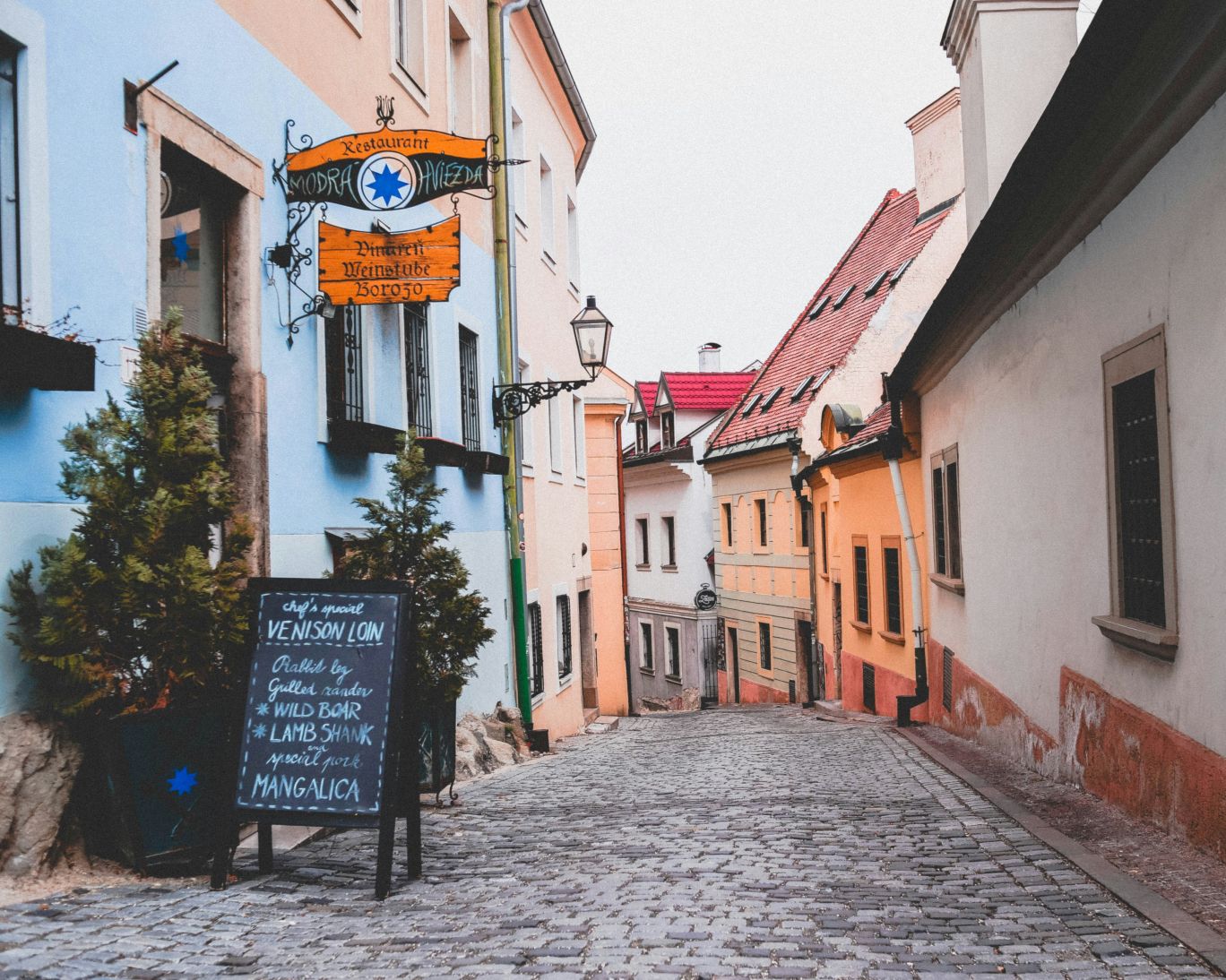
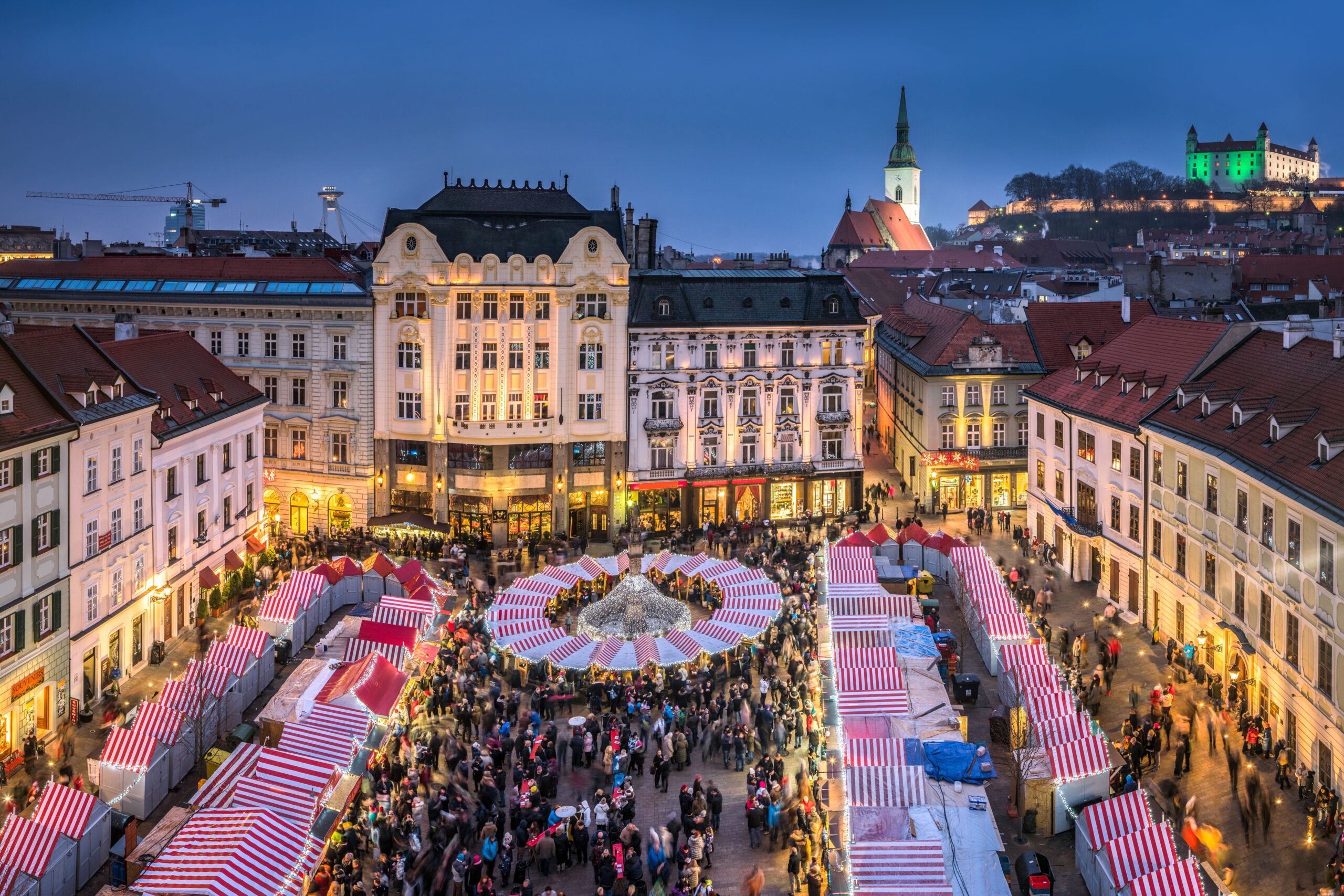
The sublime medieval Old Town is one of Bratislava’s star attractions, fronted by the city’s only surviving medieval gateway, St Michael’s Gate and Tower. The Main Square (Hlavné Námestie) is lined with wonderfully ornate buildings, and has the Town Hall sitting at its heart.
Wander down cobblestone alleyways to admire Baroque palaces and beautifully-preserved churches, as well as the aesthetic university library. There are many delightful cafes and restaurants here, and sometimes local market stalls set up in the square. Also, don’t miss Mozart House, where Mozart as a young child prodigy performed for an awe-struck audience.
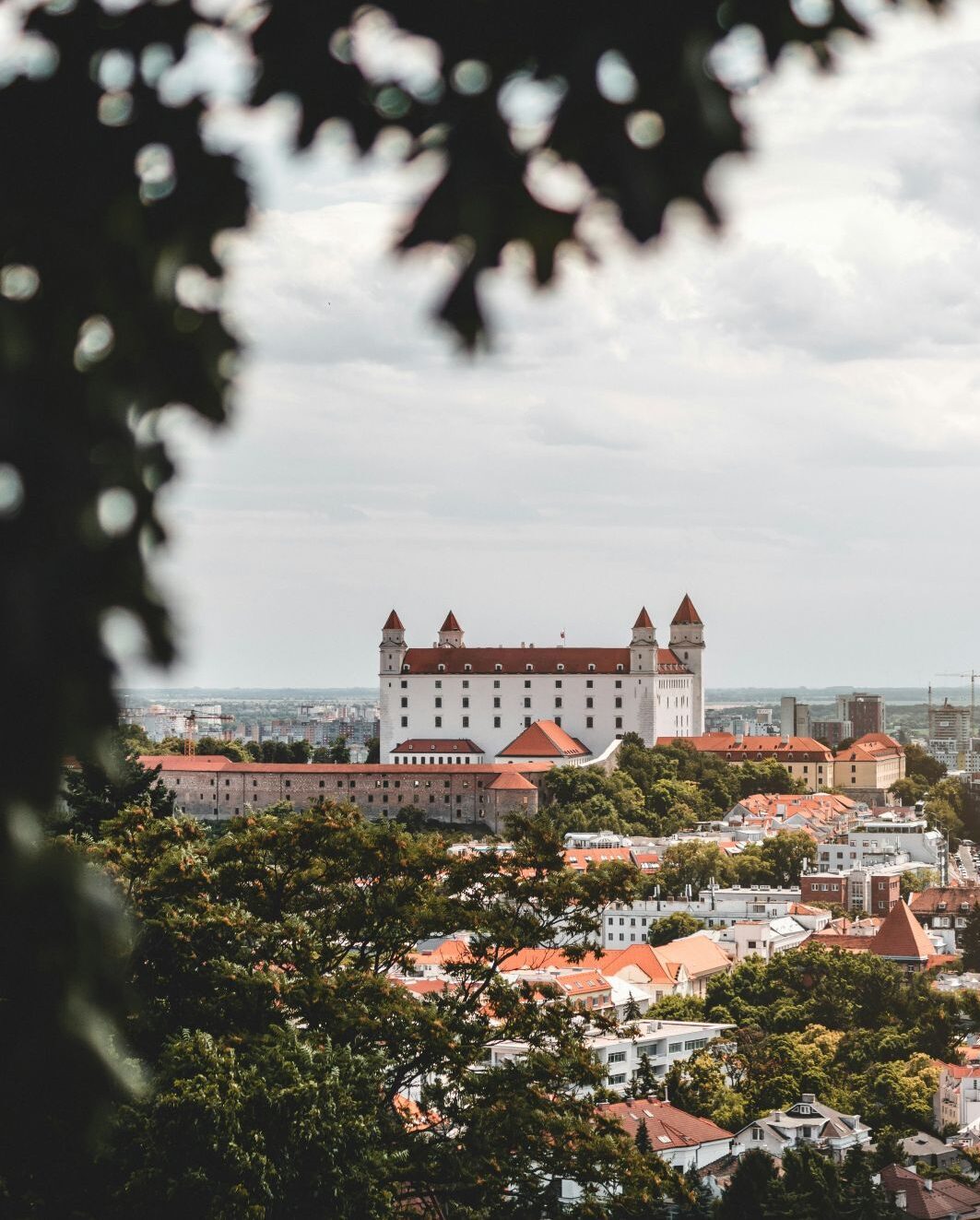
The eye-catching Bratislava Castle sits on a prominent hill overlooking the Danube, surrounded by trees, and is the city’s most inspired landmark. During the Kingdom of Hungary this was the seat of Hungarian kings and formed a key defensive stronghold.
Over hundreds of years it has become what you see today; a stunning blend of medieval, Renaissance, and Baroque styles; and the grounds, with panoramic views that stretch as far as the Carpathian foothills, are equally impressive.
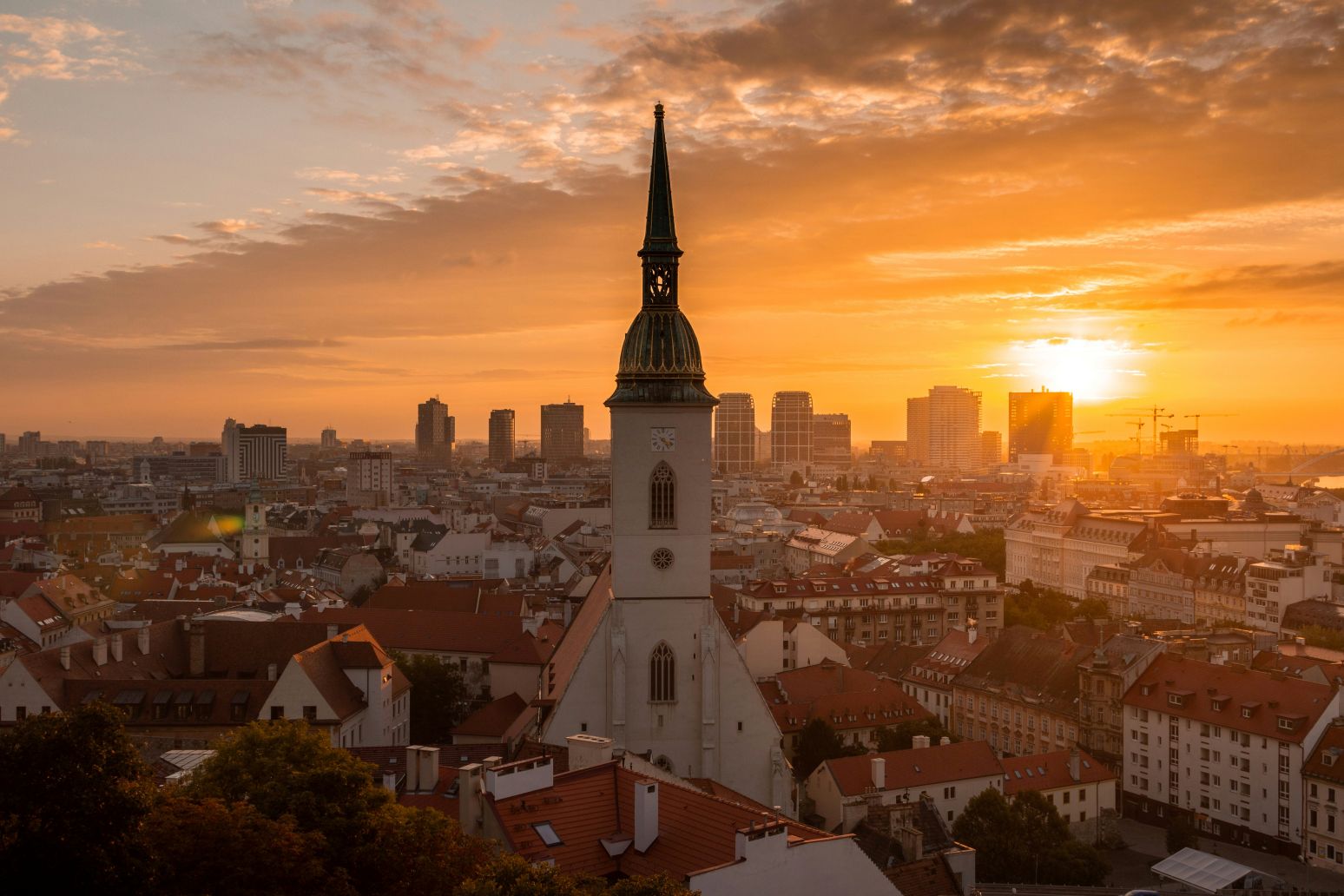
The Old Town and its medieval gateway isn’t the only gem of this time period—architectural marvels are scattered throughout the city. One of the most famous is St Martin’s Cathedral, a 14th-century Gothic piece, used as the coronation church for Hungarian kings and queens for nearly 300 years (note the coronation crown symbol on the tall spire).
There’s also St Elizabeth’s Church, better known as the Blue Church—a spectacular Art Nouveau structure with a soft, pastel-blue facade from the early 20th century. Other picturesque churches include the former convent Clarissine Church, and the Holy Trinity Church (beneath the Castle).
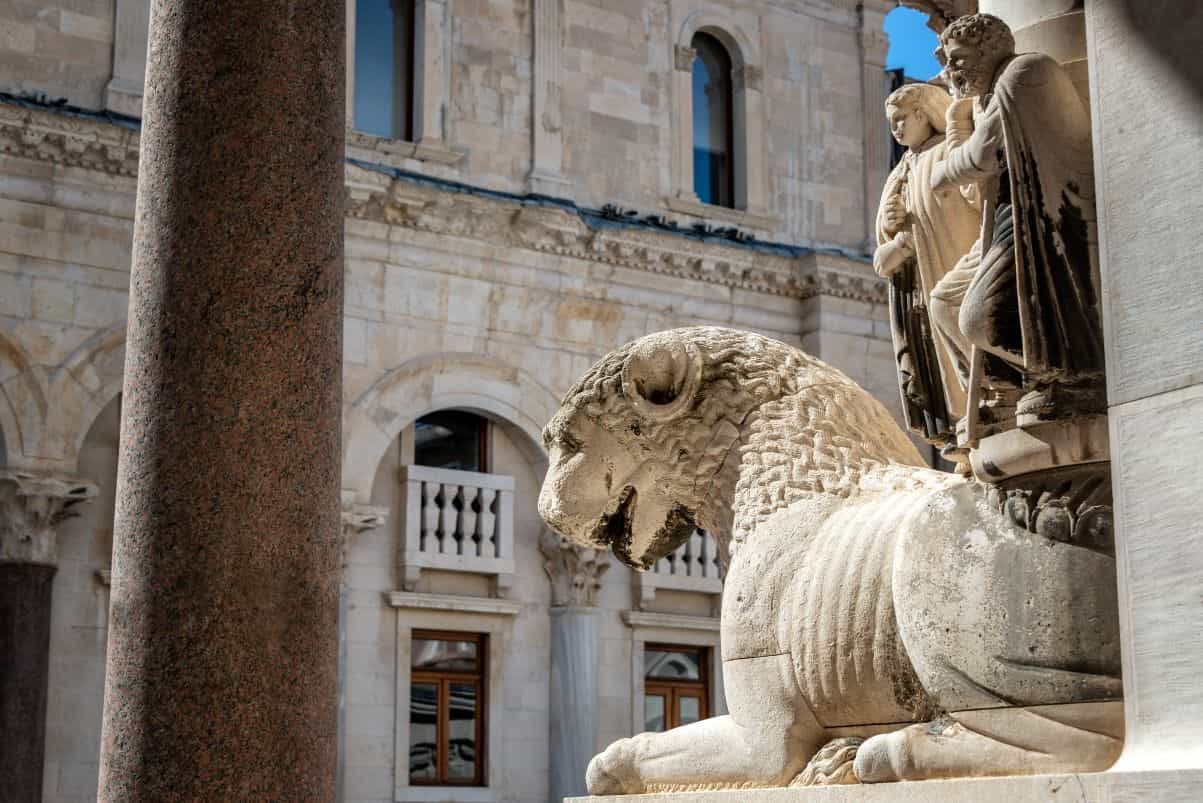
Don’t miss the Pharmacy Salvator, a veritable time capsule of medieval Bratislava. The pharmacy dates back to 1727 and is still in use—peek inside to see the original marble desk held up by six lions.
Aside from historic Baroque and medieval aesthetics, you’ll find a flurry of unique sights in Bratislava that shouldn’t be missed…
Named not for space-viewing but its saucer-designed structure, this UFO Observation Deck sits atop the New Bridge (Most SNP, or the Bridge of the Slovak National Uprising).
This bridge arches over the Danube and is the only one of its kind in the world, with a single pylon design and a suspended deck. This was a feat of engineering when it was built in 1967-72. There’s even a rotating restaurant inside the saucer!
You’ll notice a pleasing contrast between the modern designs in the city and its medieval counterparts. The Presidential Palace and Government Quarter are fine examples of ornate and airy, Rococo-style architecture of the 18th century, with elegant gardens to stroll through.
These stand in total contrast to the Brutalist ‘inverted pyramid’ of the Slovak Radio Building, an incredible example of 1980s socialist-era design which houses a 522-seat concert hall inside. For more of this style, hard lines and symmetry galore abound in the Petržalka District, often called the ‘Brutalist Jungle’.
This residential area consists of rows of flats, designed to house thousands efficiently—a photographer’s dream if you’re into the geometry and starkness of the Communist era. You’ll usually encounter a blaze of street art here, too.
Those who feel at home wandering exhibits have lots to get their teeth into—more than 30 museums dot the city of Bratislava, after all. An impressive all-rounder is the Bratislava City Museum, which has nine permanent exhibits telling the story of Bratislava, from medieval times to the 20th century.
For art, head to the riverside Slovak National Gallery and explore its vast collection; or tour the renowned Danubiana Meulensteen Art Museum, which houses an array of modern pieces and enjoys a prime peninsular position out on the Danube.
The Nedbalka Gallery is another great one, often compared to the Guggenheim in New York; or for something more niche, stop at the Museum of Clocks, dedicated to Bratislava’s horological heritage.
This is a great place for comfort food—Bratislava’s must-eat dishes are more about heartiness than being photogenic, and that’s all part of the charm. Dumplings, potatoes and meaty flavors define Slovak cuisine, and you can eat well even in local pubs.
Try a bryndzové halušky, the national dish—potato dumplings and bryndza (a soft sheep cheese) sprinkled with bacon bits. Sample rich cabbage soups and paprika goulash, and indulgent dishes such as vyprážaný syr—fried cheese, often with fries on the side.
Cafes are the perfect place for sweet treats like apple strudel or poppyseed cakes—and to drink, Bratislava’s beer culture is strong and very affordable!
Slovakia’s capital is often mentioned for its rural features, as a city surrounded by forest. Not only this, it’s walkable and serene, so it’s easy to ‘feel’ outside during a day in Bratislava.
Bratislava sits on the narrowest and deepest stretch of the Danube, where the river bends around the Little Carpathian hills. It’s a joy to traverse this millennia-old stretch, where the city of Bratislava was once an ancient settlement.
Locals use the Danube embankments for cycling, running, café-hopping and evening strolls—and so can you. It’s a relaxing and scenic route, and the riverbanks attract all kinds of birdlife. You can also go by bike, or embark on the river cruises which connect visitors to Devin Castle and other towns on the Danube.
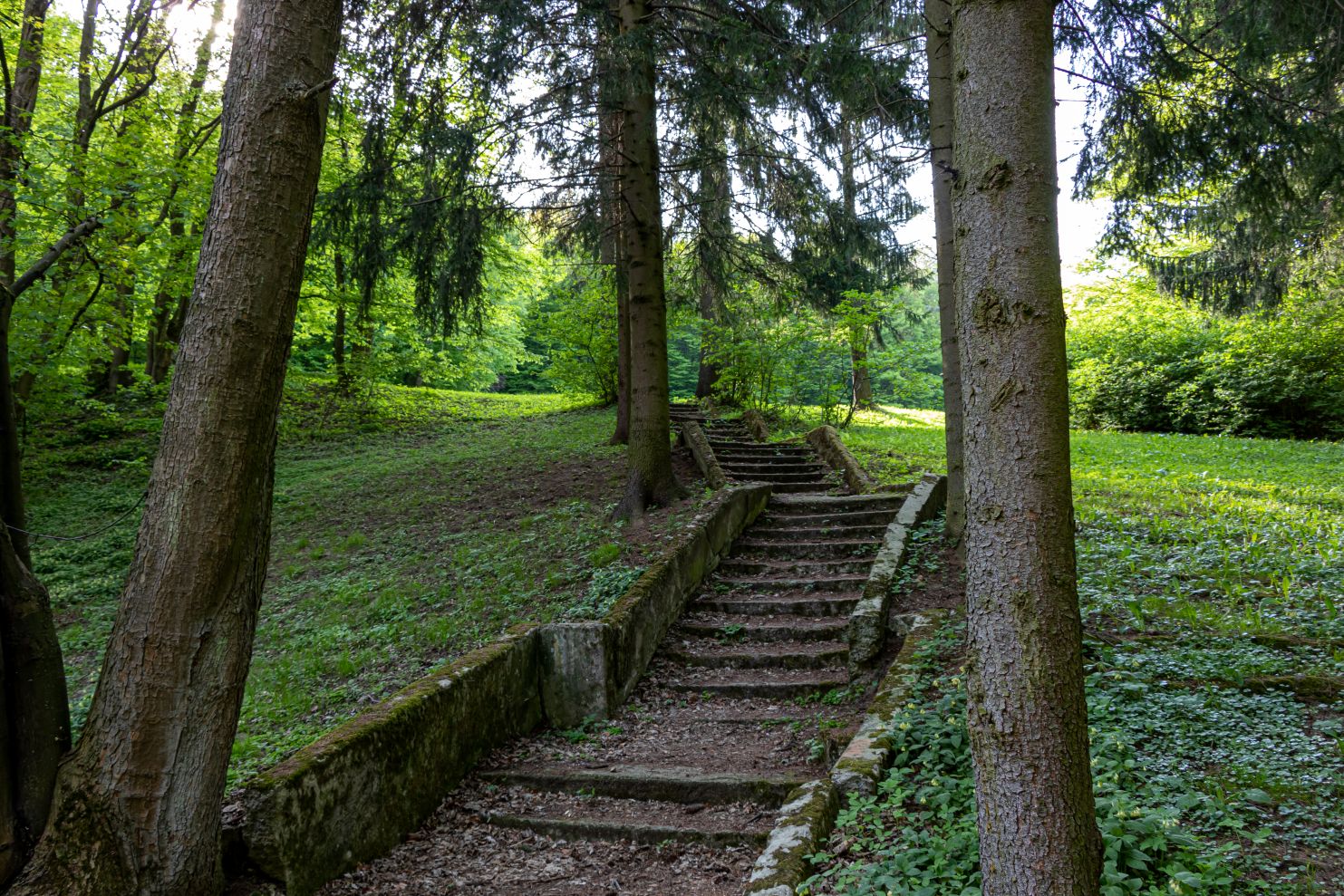
The Forest Park, or Bratislavský lesný park, is another airy escape on the borders of the city, primed for hiking, trail running, biking, or just going for picnics if you don’t feel like breaking a sweat.
It’s a brilliant place to bring the kids with playgrounds aplenty, and a satisfying amount of space for them to run around. At its heart is a glorious lake, while Kamzík Hill features a cafe and sprawling panoramic views—on clear days, you can even see the snow-capped Alps.
Visible from much of the city, the Slavín War Memorial reaches up among the city skyline, and if you feel like a walk, it’s well worth the visit. Perched on a hill overlooking Bratislava Castle, it commemorates the city’s liberation from the Red Army in 1945, as well as the close-to-7,000 Soviet soldiers who lost their lives. It’s a pleasant and scenic place for a walk, and the plinth itself is also impressive, at 39m tall and topped with an 11m-tall statue of a Soviet soldier.
If you’re all set to head to Slovakia, here are some top travel tips to consider before you start planning…
The ideal time to visit Bratislava is the shoulder seasons: late spring (April to June) and early fall (September to October) bring pleasantly mild temperatures and gorgeous colors in the parks—which are either in full bloom or ablaze with fiery colors—and generally, the city is less crowded.
Though the summer is glorious, warm and considered peak time, July to August can get busy and be more expensive. Winter (November–March) is cold and occasionally snowy, yet the city has a cozy charm, especially with its Christmas markets and festive lights.
Though Bratislava has its own airport, this is most often used by regional travelers; many international visitors come in through Vienna Airport, which is very close to Bratislava city. There shouldn’t be any visa issues as both Austria and Slovakia are part of the Schengen Area; you can drive or get a bus or train between Vienna and Bratislava with no border stops.
Once you’re in, Bratislava is extremely walkable and a joy to explore on foot—but if you’d rather hop on public transport, the city’s buses, trains, trolleybuses (electric buses that run on a wire), and trams are both regular and reliable. A full-day pass is usually only around €3.50, so it’s great value. Bratislava is also a fantastic cycling city, and as in many European capitals, e-bikes and e-scooters are readily available if you’re up for downloading the relevant app.
Tempted by a trip to Slovakia and its vibrant capital? Our local travel experts are based within the destination, and are ready to build the perfect itinerary filled with the best things to do in Slovakia. Get in touch with them today to make the most of their on-the-ground local knowledge.
Explore all featured destinations