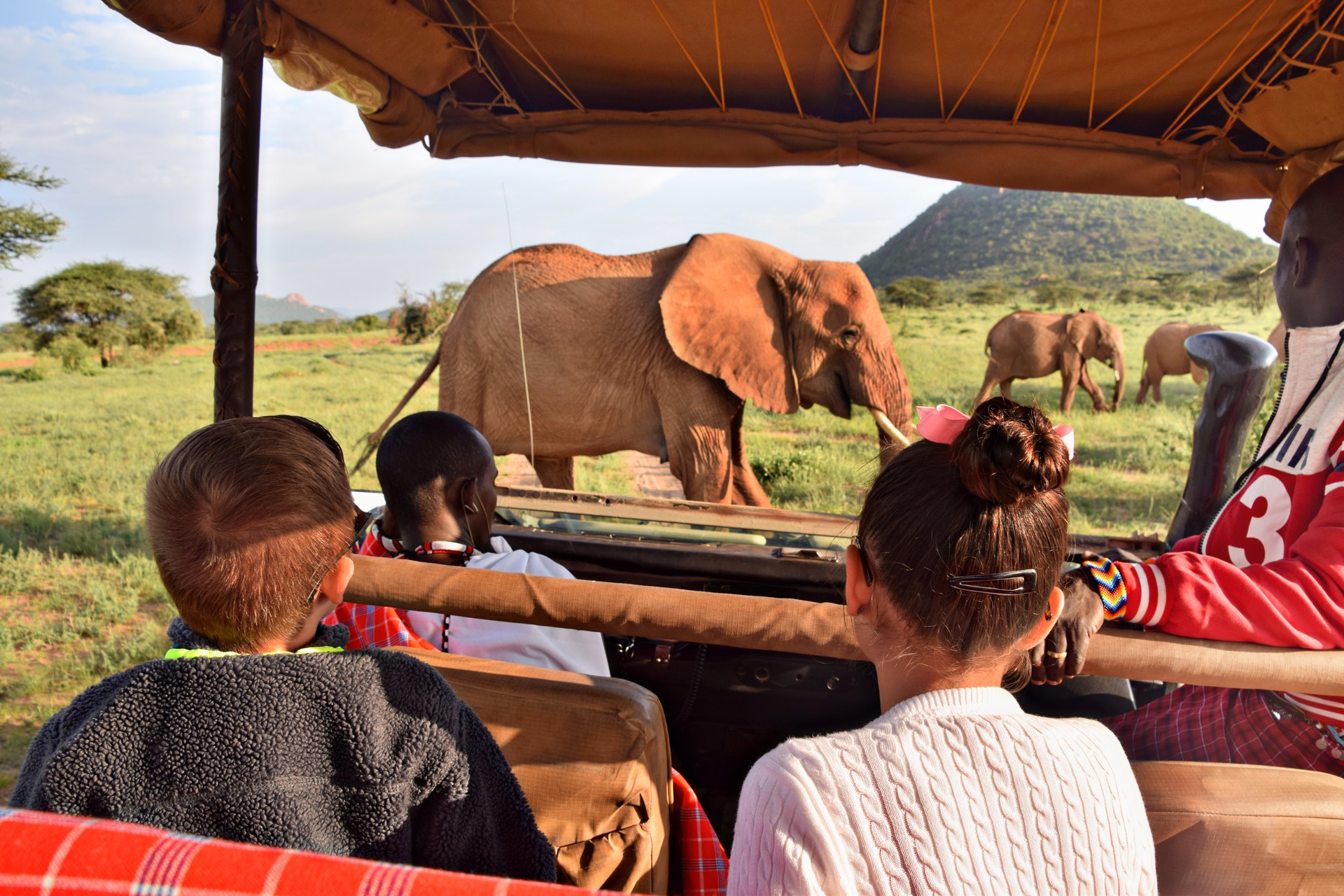
Top tips for booking an African safari
July 9, 2026
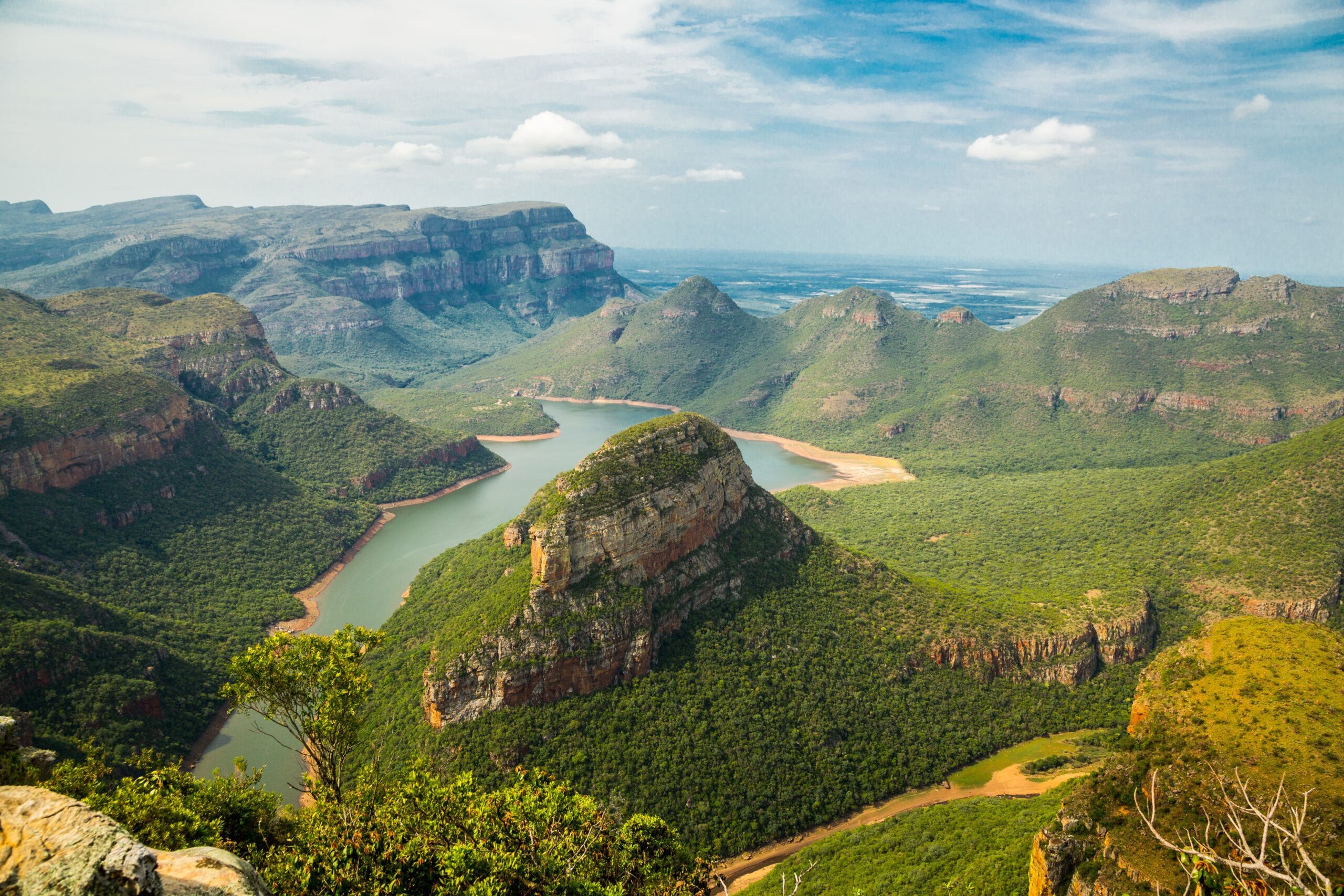
Though Kenya and Tanzania steal the limelight when it comes to African safari destinations, South Africa offers a world-class wildlife experience in its own right. While known for its lush capital Cape Town, excellent wine regions and fascinating history, it’s also scattered with some of the best game reserves in the continent. Safaris in South Africa promise an intimate, more exclusive wildlife-rich vacation, full of the Big Five and so much more.

Here is exactly why South Africa should be top of your list for a supreme safari vacation…
Game drives in South Africa are very well-run, led by highly knowledgeable guides who know the parks inside out. What’s more, conservation efforts here have been highly successful over the decades. For this reason, you’re almost guaranteed to see some of the most iconic animals you can imagine, including the Big Five—lions, elephants, leopards, buffalo, rhinos—as well as hyena, flamingos, porcupines, frogs, lizards, whales, turtles, and so much more. Binoculars at the ready!
There’s no need to ‘rough it out’ in the bush—South Africa has a well-developed infrastructure. Roads are in good condition, national parks are accessible, and there is a large amount of comfortable accommodation for solos, couples, and families alike. Many safari lodges are immersed in nature, with viewing platforms for animals as well as on-site refreshments, meals, extra activities, swimming pools and more.
Though the safaris are world-class, there is so much to do beyond the game reserves. You can combine safari with the Cape Winelands in regions like Stellenbosch or Franschhoek, where you can sip delicate wines and try delicious locally-sourced food on historic estates. Add capital Cape Town, where you can explore heritage districts, try local cooking classes, and shop at busy street markets. Finally, celebrate South Africa’s diverse indigenous history, with visits to San rock art sites, tours of community villages, and traditional dance performances.

You’re here for the animals, and nothing quite compares to seeing these wild creatures wandering freely in their home habitat…
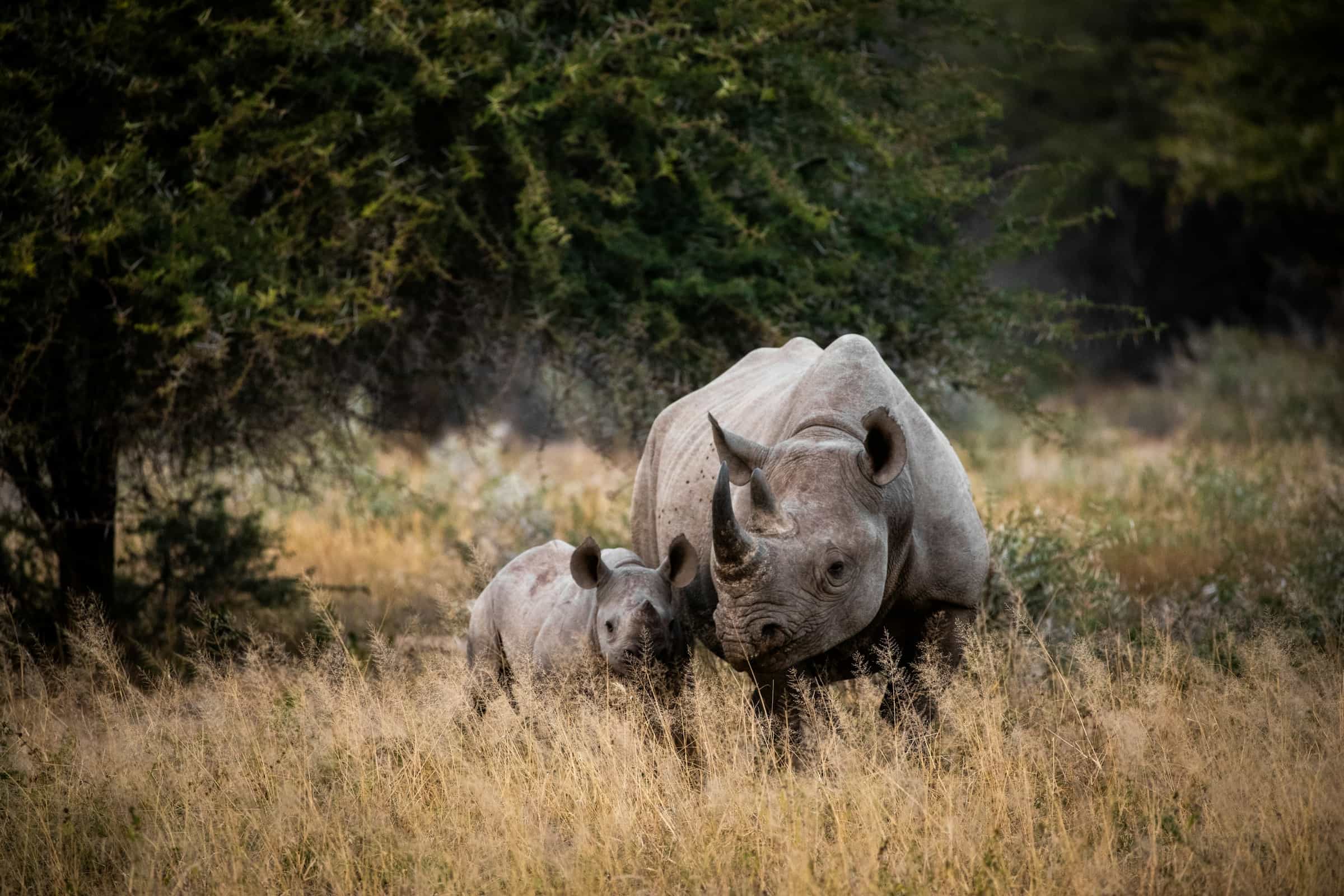
A South African safari is your chance to encounter the legendary Big Five—the lion, leopard, elephant, buffalo, and rhino—up close and in all their glory. Watching these animals move across open plains while basking in their natural habitat is truly life-affirming. These are the moments that will stay with you long after you’ve gone home.
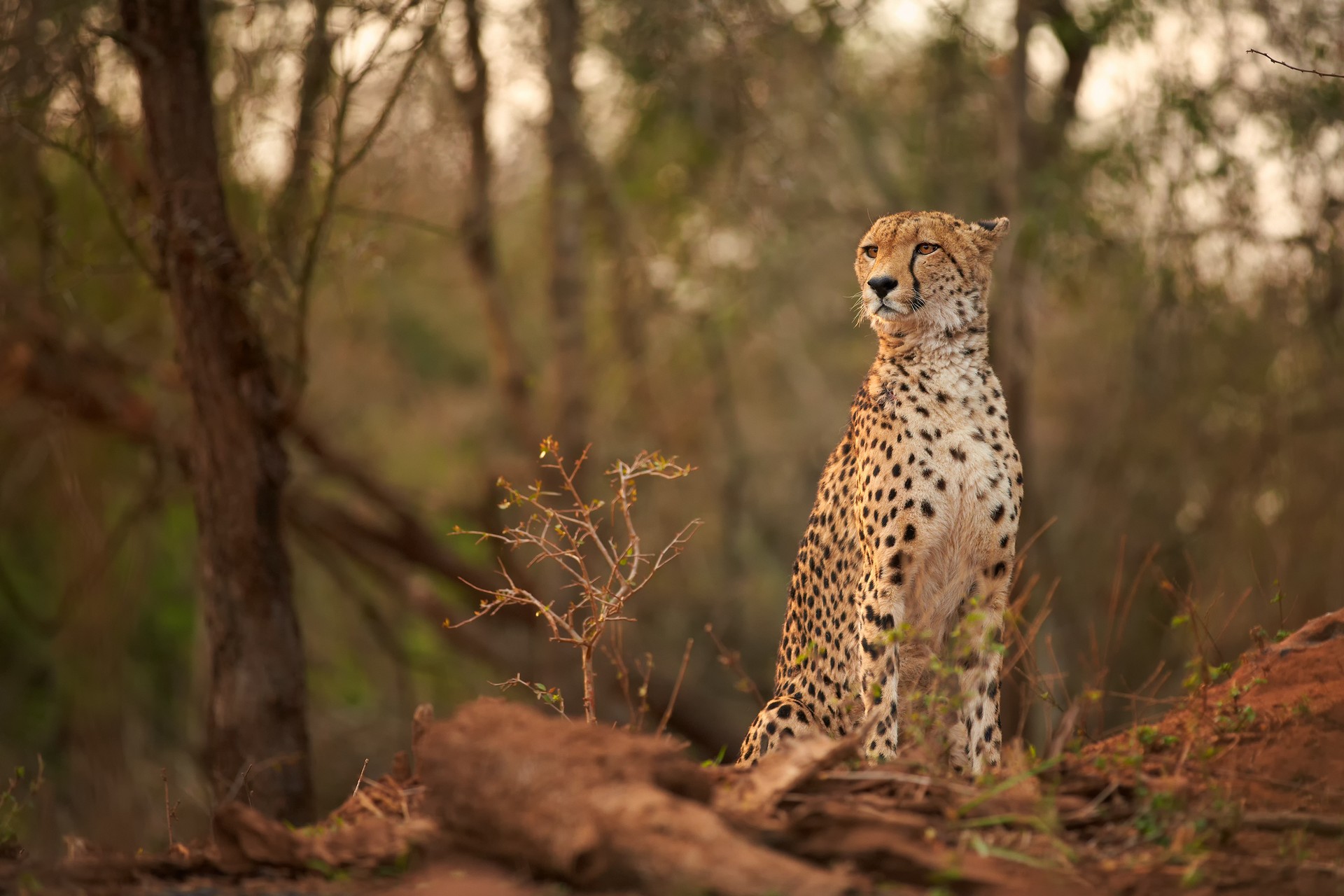
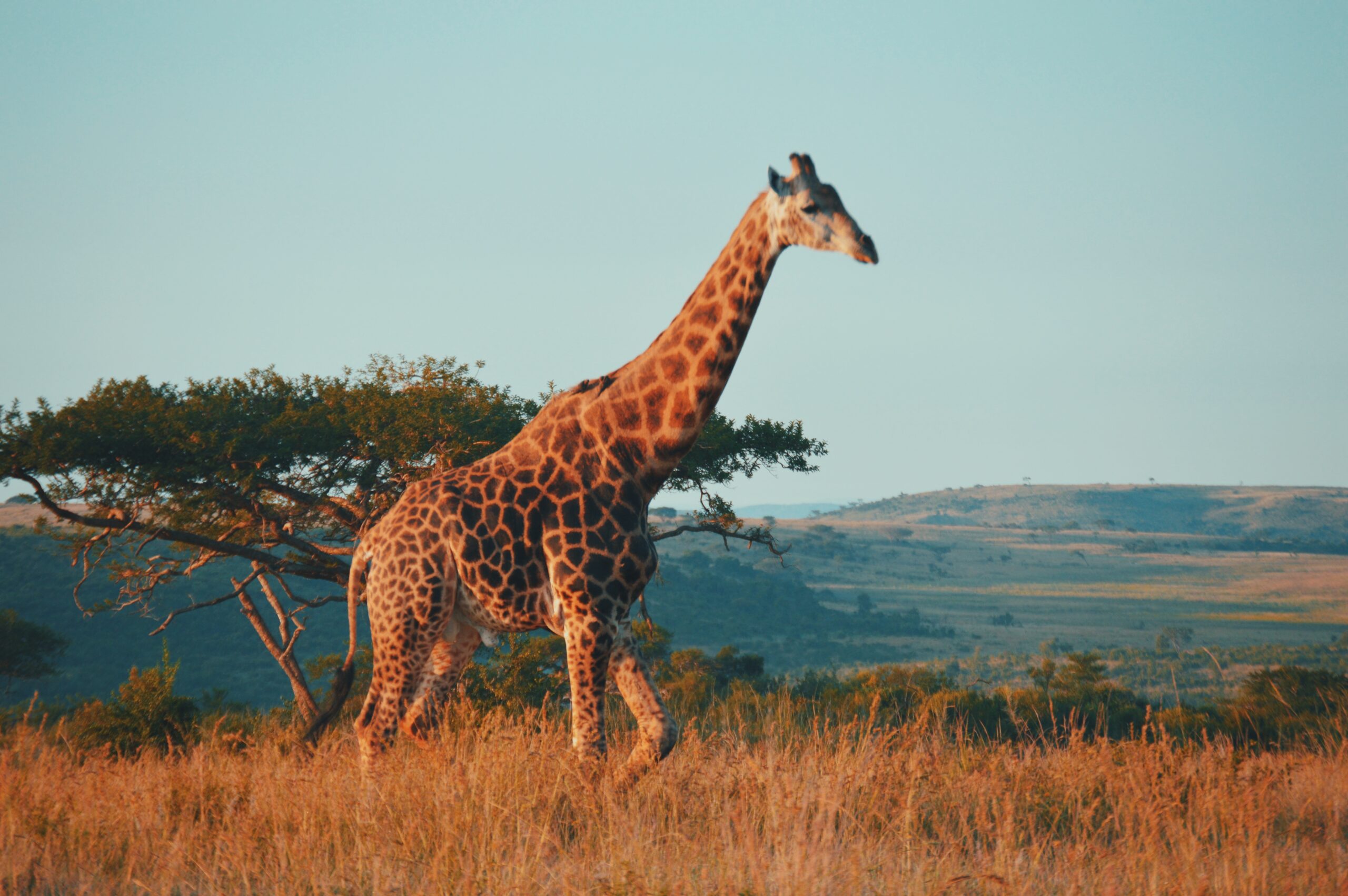
But the resplendent wildlife doesn’t stop there. The landscapes of South Africa are checkered with animals great and small: from elegant giraffes stretching out to the treetops; clusters of zebra and wildebeest on the move; to antelope, cheetah and warthogs. The bush is thriving with life at every turn, with even smaller creatures like frogs, stag beetles, and porcupines all making up the tally.
South Africa is home to an immense 900 bird species, inhabiting everywhere from the open grassy plains to the coastal cliffs—that’s nearly 10% of the world’s birds! Most prominent birds include the lilac-breasted roller, the African fish eagle, and the iconic ostrich. If you’re especially lucky, you might even catch the endangered African penguin, or the speckled plumage of the rare pink-throated twinspot. Twitchers, get packing!
Read more: Bucket-list marine wildlife experiences in South Africa

Here are some of the most exceptional safari parks and game reserves to add to your South Africa itinerary…
If you’re going on a safari vacation in South Africa, your first port of call is probably the legendary Kruger National Park. It’s the country’s biggest hitter for good reasons; its highly accessible no matter where you’re based, and Big Five sightings are almost guaranteed.
Not only is it relatively easy to spot the likes of lions, elephants and rhinos all on one game drive, there’s also a sense of exclusivity. It’s the norm to have only a handful of vehicles alongside you enjoying the show, unlike in some busier African safari destinations.
If you’re after smaller, exclusive lodges with a luxury feel, a handful of private reserves extend from Kruger’s land. Sabi Sands Game Reserve is one of the most popular, renowned for its gorgeous lodges with on-site viewing platforms, and a pleasing density of leopards. Try Timbavati Private Nature Reserve for its rare white lions, while Manyeleti Game Reserve is more rustic; perfect for those who crave a wild, adventurous safari.
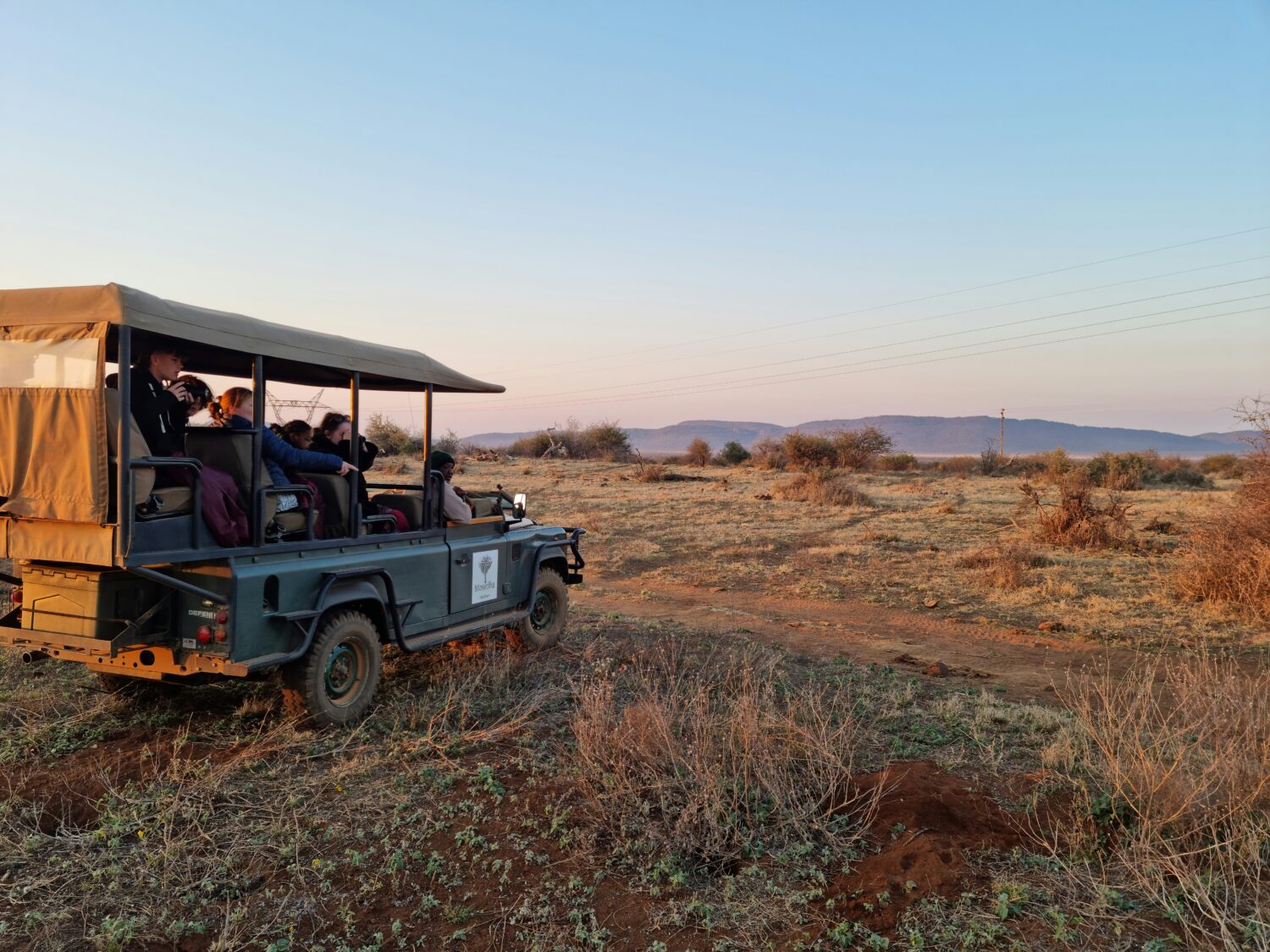
Along the border with Botswana sits Madikwe Game Reserve, one of South Africa’s many conservation successes, which covers more than 75,000 hectares of former farmland. This is a stunning game reserve with pockets of forest, river, savanna and rocky terrain, where clusters of the Big Five wander in full view. There is also a notable population of African wild dogs here, which are highly endangered in South Africa.
In the Eastern Cape is the marvelous Addo Elephant National Park, which, as you’d guess, has elephants as its main draw. Back in the 1930s, only 11 elephants resided here in a small sanctuary; now hundreds roam these open plains, making it one of the biggest conservation success stories in the country. Lions, rhinos, buffalo and hyena also scatter the landscape—and head to the coastal section of the park for sightings of southern right whales or even great white sharks.
One of the more memorable parks for its incredible geology, Pilanesberg sits within the crater of an ancient volcano. This makes for dramatic scenery and plenty to see—as it’s essentially a ring of hills with a basin, much like a sandbox. There are rocky outcrops, swathes of woodland, the quintessential open plains, and lots of watering holes where animals gather and drink. It’s a haven for birdwatchers and Big Five enthusiasts alike.
Here are some final tips before you start planning your safari vacation in South Africa…
The best time to go on safaris in South Africa depends on what you most want to see; both the wet and dry season have their advantages.
Many nationalities don’t need a visa for only short stays, but check online if you intend to stay longer. Routine vaccinations are usually enough, but you may need extra jabs if you’re visiting remote regions. A lot of the game reserves are malaria-free including parts of the Western Cape and Addo Elephant Park—but bring mosquito repellent and malaria medication if your itinerary requires it. Ask your local travel expert for specifics.
South Africa sometimes gets a bad rep for crime and civil unrest, particularly in urban centers like Johannesburg. South Africans in general are extremely welcoming to tourists, and the rep for crime can be overblown. That said, use caution if wandering independently in the main cities, and don’t flash cash or valuables. If you travel as part of a booked tour, your local guides will be in charge of the schedule and transportation, so you shouldn’t need to worry.
Read more: Dream vacation in South Africa: tips for the ultimate experience
If you’re ready to start planning your dream trip to South Africa, get in touch with our local travel experts. They’re based on the ground within the destination, and are equipped with all the in-depth local knowledge about safaris in South Africa that you’ll need to plan the perfect trip.
Explore all featured destinations
Join our mailing list for travel inspiration, trip recommendations, and insights from our local experts.