
A beginner’s guide to Sardinia
May 28, 2026
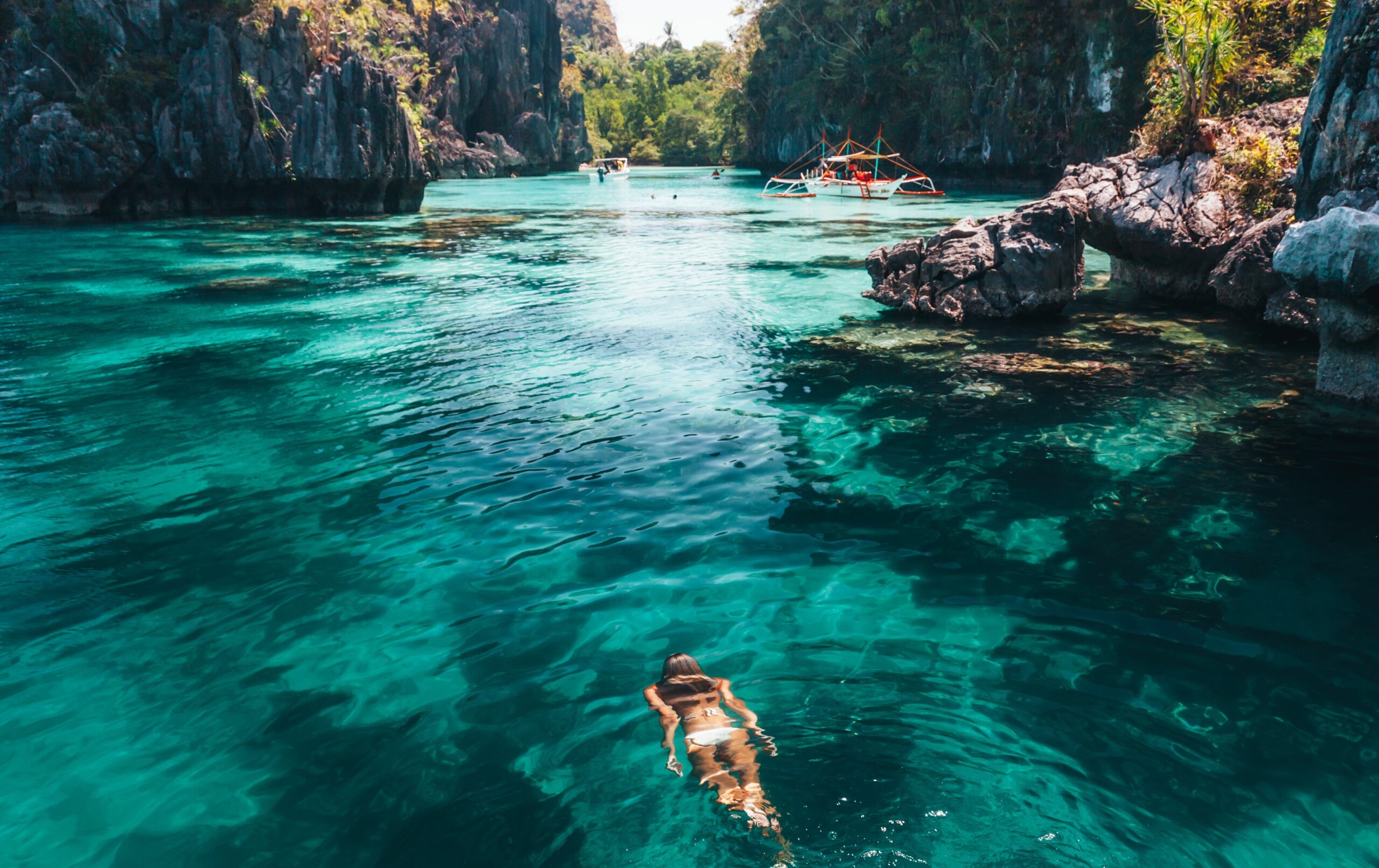
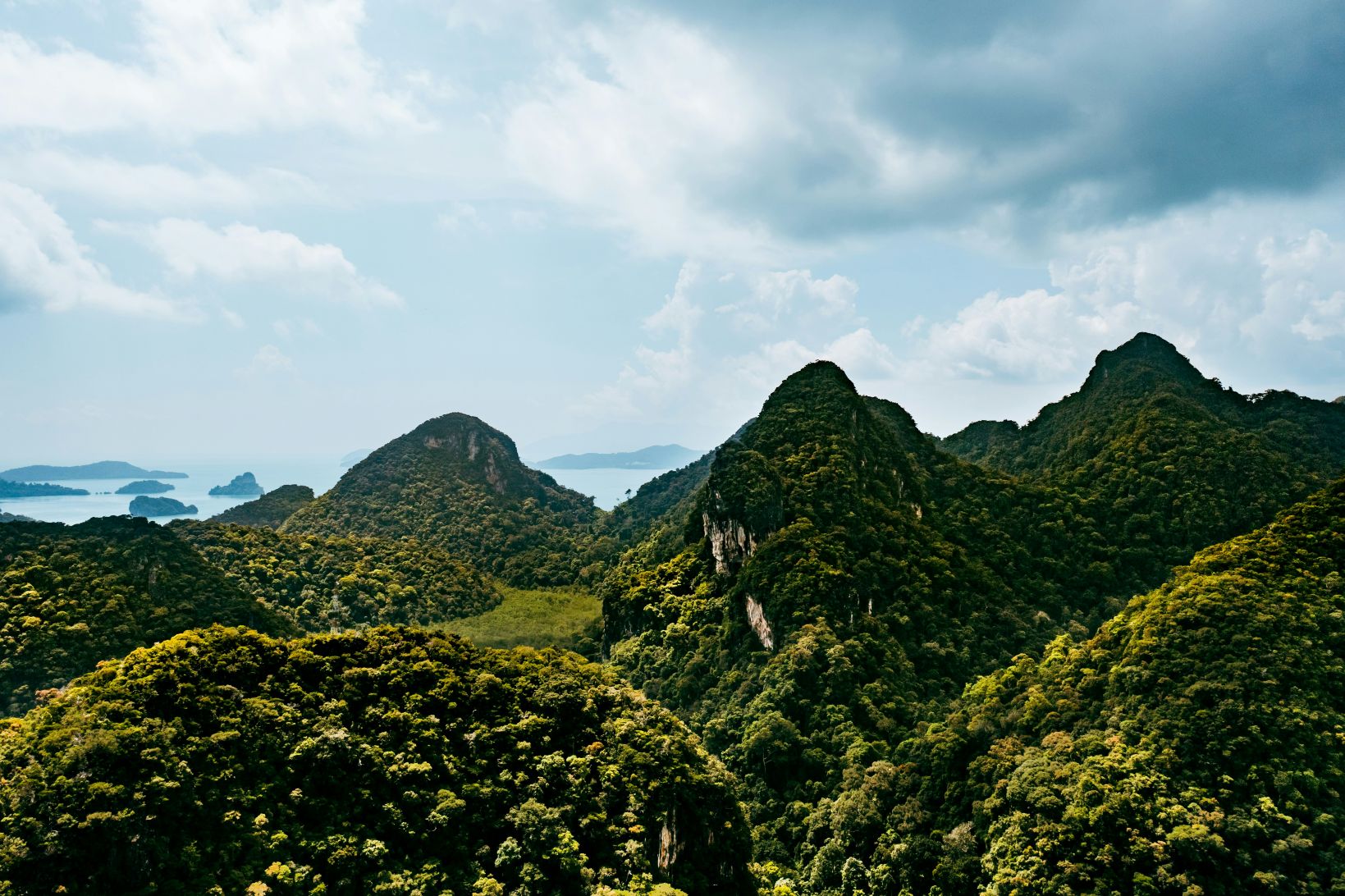
A lush landscape of rainforest-covered hills, powdery beaches lapped by emerald water and a laid-back tropical island vibe. This isn’t Bali or Phuket. It’s Langkawi island, one of Southeast Asia’s most rewarding getaways. Langkawi island is located just off the northwest coast of Malaysia, near the Thai border, and is in fact an archipelago of 99 islands scattered across the Andaman Sea. Of the four inhabited islands, it’s the main island, Pulau Langkawi, that attracts travelers for its combination of stunning beaches, relaxed atmosphere, and natural landscapes teeming with tropical wildlife.
For anyone used to the Caribbean or Hawaii, Langkawi feels both familiar and intriguingly different. The beaches are just as beautiful, but the surrounding landscape — jungle-covered mountains, limestone islands, mangrove rivers — gives it a more dramatic and exotic feel and a laid-back island vibe. Whether you’re discovering Asia for the first time, or considering a unique spin on your next vacation in Malaysia, an escape to Langkawi is perfect — tropical, scenic, and a little bit magical.
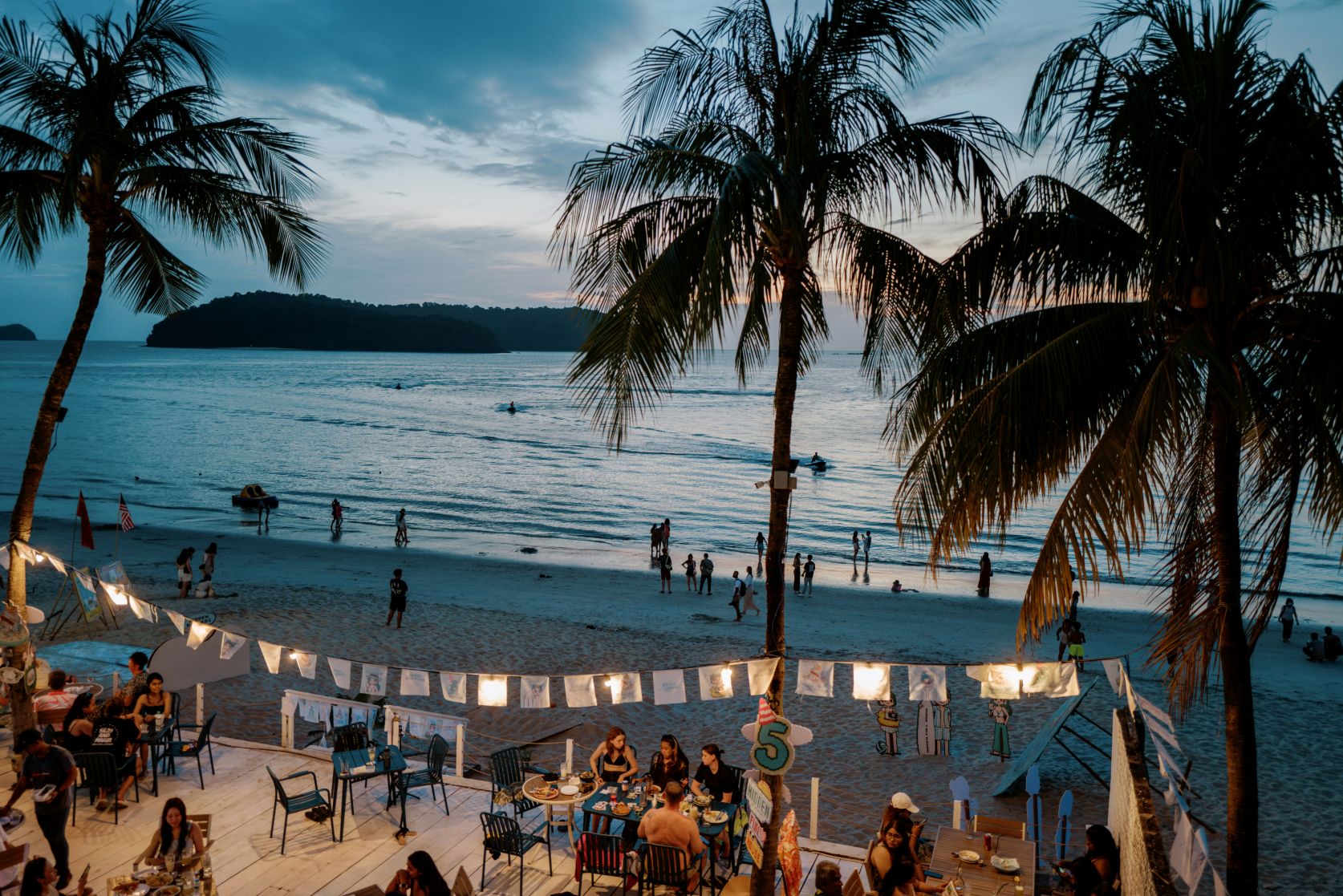
Pantai Cenang is the island’s main beach hub, with a long stretch of soft sand and plenty of restaurants, beach bars, and boutique shops all within walking distance. It’s lively but still laid‑back, perfect for a classic Langkawi beach vacation and one of the most convenient places to stay if you plan to explore the island or book tours to other islands.
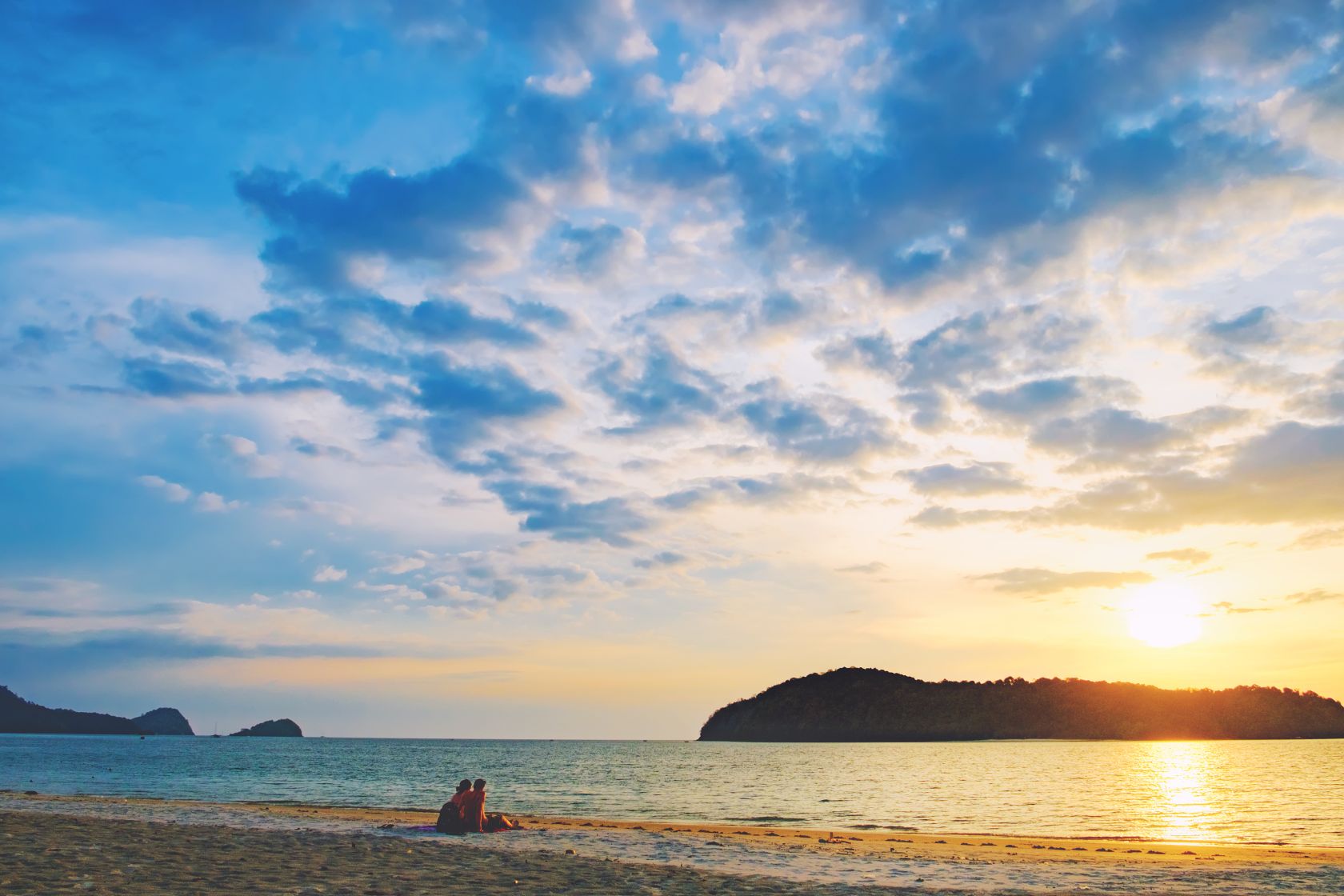
Take a stroll south from Pantai Cenang and within a few minutes you’ll feel the vibe shift as you find its calmer and more understated sibling, Pantai Tengah. With its boutique resorts and leafy gardens, Pantai Tengah is relaxed but not remote. You still have plenty of restaurants, cafés and small resorts, but without the crowds, and you’re close enough to Cenang to enjoy its nightlife and shopping before retreating to a quieter base at night.
On the island’s northwest coast, the landscape becomes wilder and more dramatic. For ultra‑secluded luxury and rainforest immersion, Teluk Datai is one of the most beautiful places on the island, framed by ancient jungle and sometimes visited by hornbills or monkeys moving through the trees. Pantai Kok is another gem, smaller and quieter than Pantai Cenang but more accessible than Teluk Datai, with a lovely crescent beach. It’s right next to the Langkawi Cable Car and Sky Bridge, so it’s a great base if you want a balance of relaxation and sightseeing.
Read more: Eight of the world’s most magical distant islands
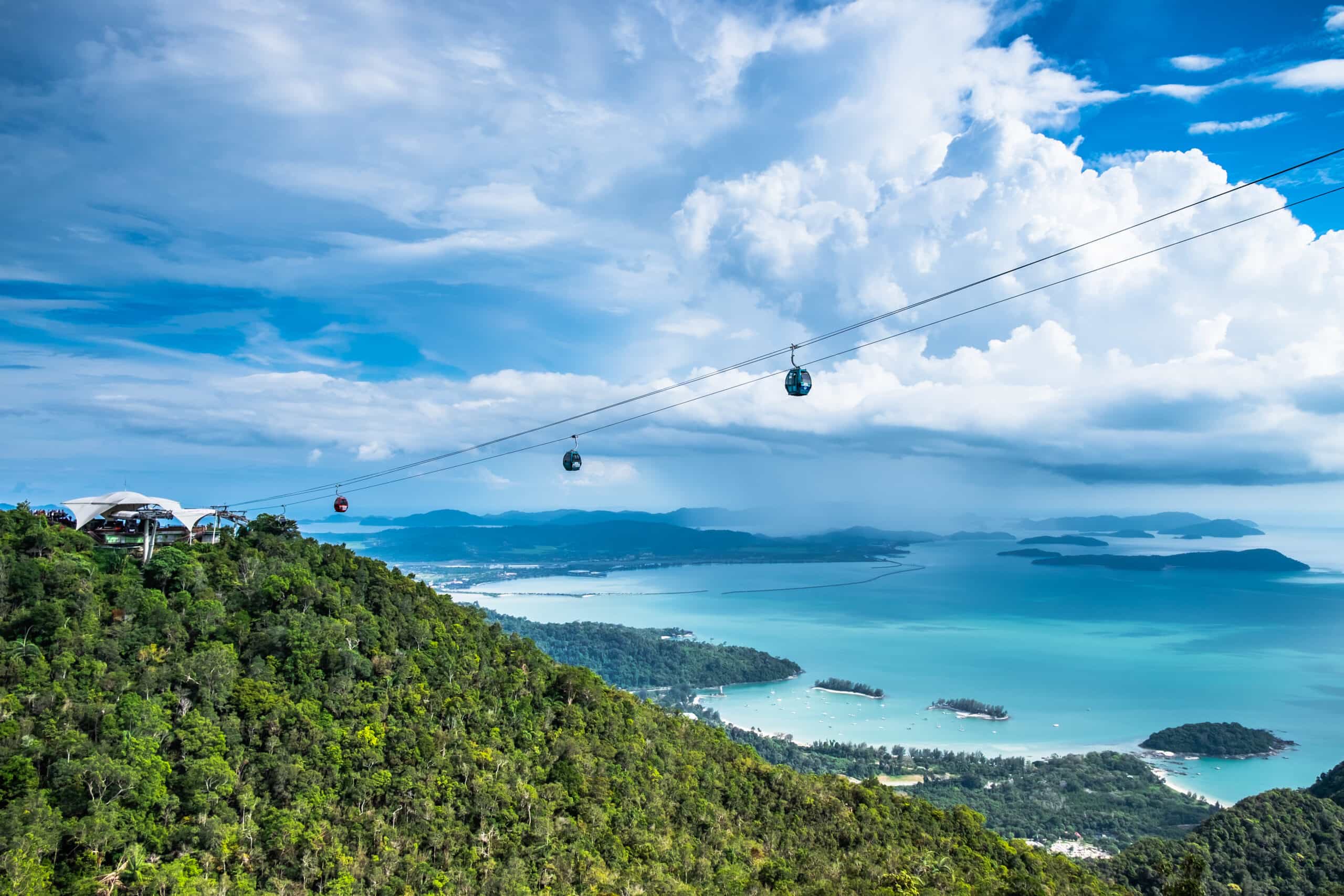
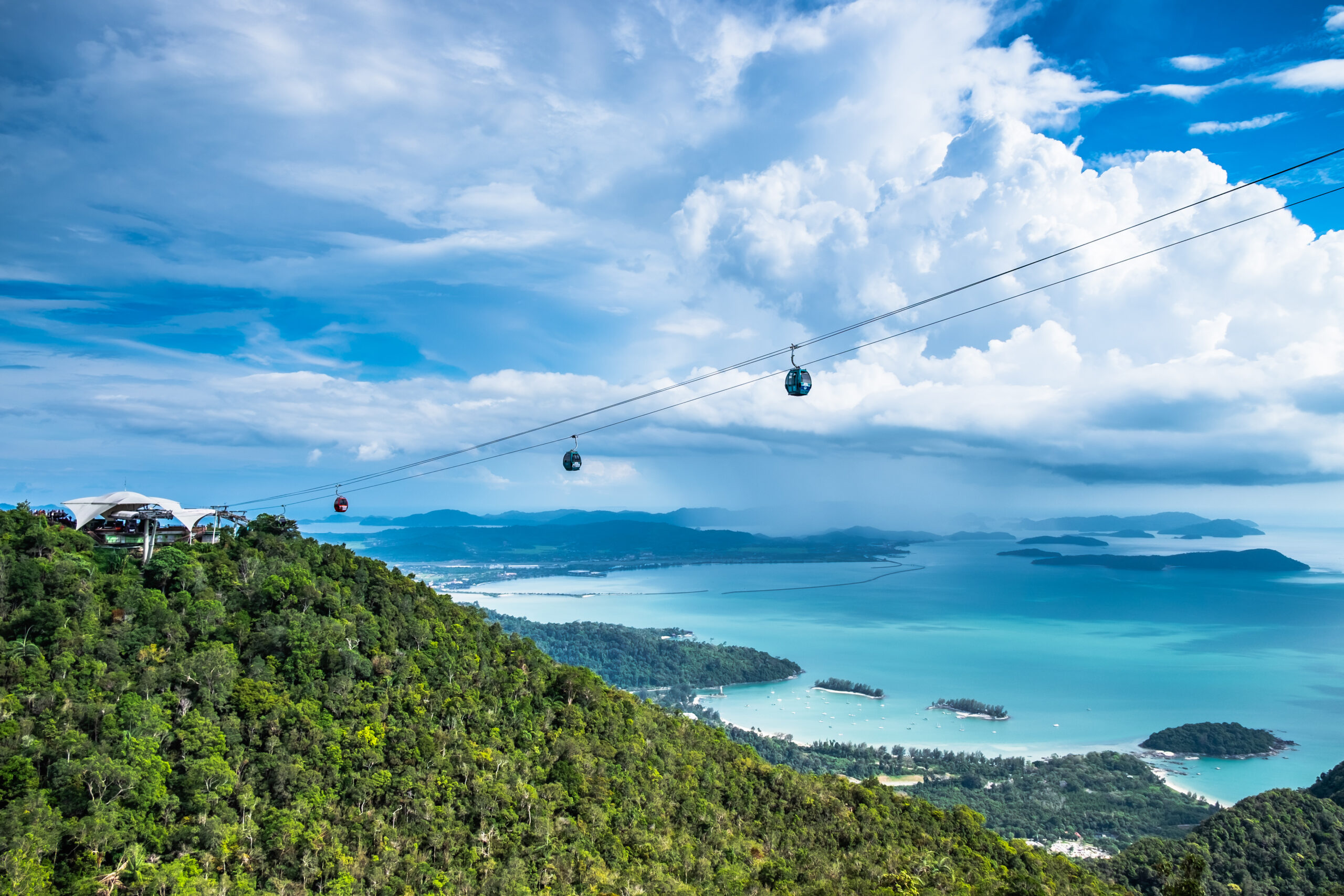
The island’s showstopper, the Langkawi cable car (SkyCab) is the steepest cable car in the world, soaring above dense rainforest towards the summit of Gunung Mat Cincang, one of the island’s highest peaks. At the top, the 125m-long Langkawi Sky Bridge curves dramatically above the rainforest canopy, offering 360-degree views of the Andaman Sea and surrounding islands, and on clear days you can see across the surrounding islands and even toward the distant coastline of Thailand.
For a glimpse of Langkawi’s wilder side, head to Kilim Karst Geoforest Park. This UNESCO‑listed marvel of mangrove forest, limestone cliffs and hidden caves is in the top three things to see in Langkawi. Take a guided boat tour through the narrow waterways to see the rich ecosystems among tangled mangrove roots, monitor lizards basking on riverbanks and macaques watching curiously from the trees while sea eagles swoop dramatically toward the water.
Capturing one of Langkawi’s iconic eagles on camera is nothing short of tricky, so swing by the island’s giant eagle statue in Eagle Square near Kuah Town. It symbolizes the island’s name (‘helang’ means eagle in Malay) and is a popular photo stop.

You don’t have to see all 99, but exploring some of the smaller and uninhabited islands is one of the best things to do in Langkawi. Pulau Dayang Bunting (Island of the Pregnant Maiden) is famous for its freshwater lake, and popular for kayaking and hiking in the surrounding jungle. Pulau Beras Basah (Wet Rice Island) is a postcard‑perfect beach stop for swimming and relaxing, and Pulau Singa Besar (Big Lion Island) is covered in dense rainforest and surrounded by crystal-clear water.
Most boat tours visit these same three islands, which can mean many vessels and crowds at the popular spots, so follow our top tips for the best experience:
Malaysian cuisine borrows from Chinese, Indian and Thai influences, and laid-back Langkawi adds its own twist with fresh seafood and beachside grills. The island has great night markets, perfect for sampling Malaysian street food and the best places to eat like a local.
Sizzling satay skewers, fragrant noodle dishes, coconut-rich curries, and freshly cut tropical fruit are served in a lively atmosphere filled with locals and travelers alike. This is less about fine dining and all about flavor, atmosphere, and people‑watching.
Read more: Discover the highlights of Malaysia
Langkawi Island’s beaches are all about choosing your rhythm:
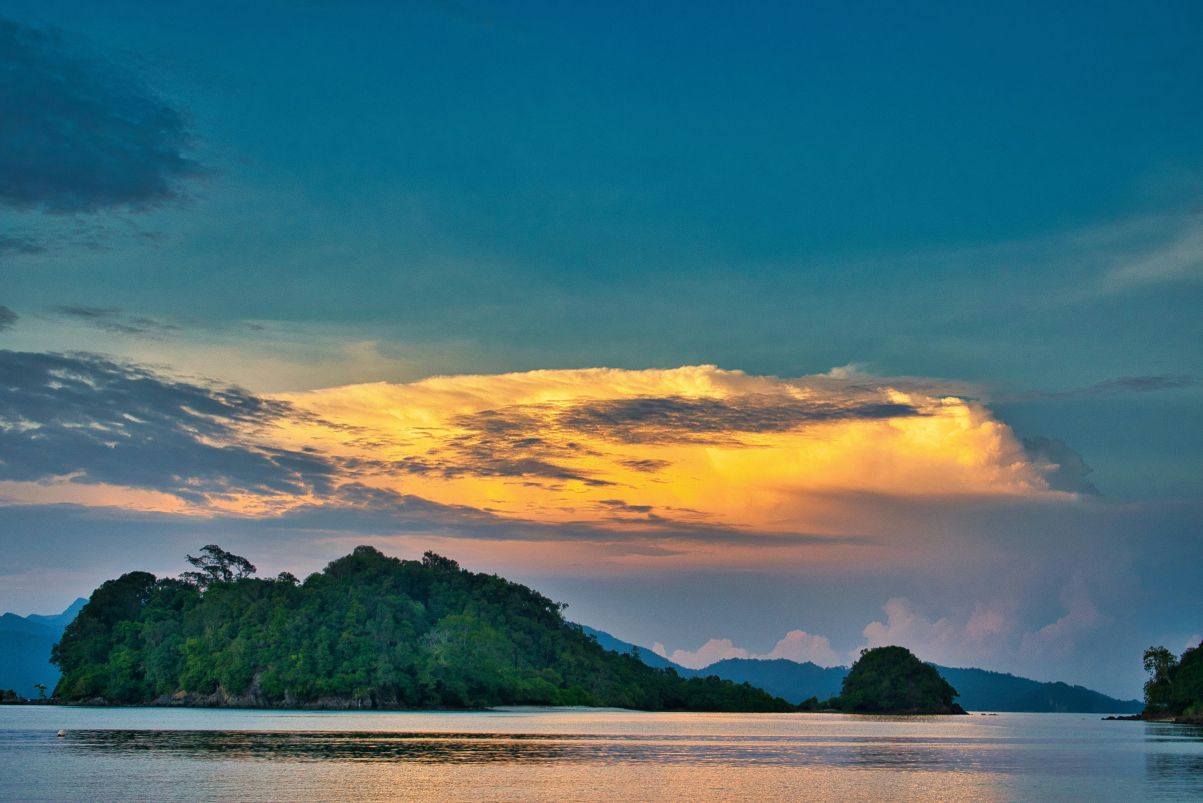
Just off Malaysia’s northwest coast near Thailand, it can be reached via a one-hour flight from Kuala Lumpur or by ferry from mainland Malaysia or Penang.
With a tropical monsoon climate, the dry season is December through February, but between November and April conditions are warm and relatively dry.
In three to four days you can see the highlights, including beaches, island-hopping, and nature excursions; a week is perfect for exploring some of the less obvious spots, doing some duty-free shopping, and even enjoying a day at one of the island’s fabulous spas.
Read more: A heritage guide to Penang, Malaysia’s Pearl of the Orient
Eager to experience the delights and hidden gems of Langkawi Island for yourself? Reach out to our local experts in Malaysia today, to start planning a tailored adventure filled with authentic, responsible, and immersive experiences.
Explore all featured destinations
Join our mailing list for travel inspiration, trip recommendations, and insights from our local experts.