
Exploring the culture of Bhutan
August 25, 2026
You could say England has a reputation internationally – as a nation of pub fans, tea addicts and royalists – and though there is much more to this diverse country, it’s also not far off the truth! England, the largest nation of the United Kingdom (with Scotland, Wales and Northern Ireland making up the four), prides itself on its strong culture and traditions, informed by its long, eventful history. It’s also one of the most multiculturally diverse countries in Europe, with its capital, London, seen as a true powerhouse of the arts, culture and politics on the global stage. Here’s a quick summary of English culture and what makes up the fascinating heritage of England – from its rolling green hills and quaint villages, to folkloric rituals and street celebrations.

It’s impossible to unpack England’s history without mentioning its thousand-year-old monarchy, which has undoubtedly formed the foundations of England today. From the early Anglo-Saxon kings of the 11th century through to the Normans, Tudors, Stuarts and beyond, the powerful English monarchy has shaped the country’s laws, customs and international identity for centuries.
Today, the Royal family is seen as a proud symbol of Britain – but the royals hold less power politically. The current monarch and successor of Queen Elizabeth II, King Charles III, is part of a constitutional monarchy which has existed since the late 17th century. In this model, the royals have a say over what goes on in government, but it’s the elected parliamentary officials and the Prime Minister who hold primary political power. Still, many visit England to witness its collection of royal landmarks and residences, also linked to famous historical monarchs such as Henry VIII, Elizabeth I, Queen Victoria and more.
The beating heart of England’s royal family is Buckingham Palace, which sits in the center of London and flies its royal flag whenever the monarch is at home. Here’s where you can witness the ‘Changing of the Guard’ and some incredible statues; such as the memorial of Queen Victoria, which sits in the front of the palace gates surrounded by allegorical figures depicting Truth, Justice, Courage and Motherhood.
There’s also Windsor Castle, which was Queen Elizabeth’s preferred home; the drama-filled Tower of London, a political prison and keep of the Crown Jewels; Kensington Palace, the home of William and Kate; and Hampton Court Palace, the grand residence of Henry VIII. Though not technically a royal when she tragically died, the stunning memorial fountain to Diana, Princess of Wales in Hyde Park is also worth a visit.

Talk to our local experts to plan your trip to England around its many festivals or events – where centuries-old rituals and modern life combine…
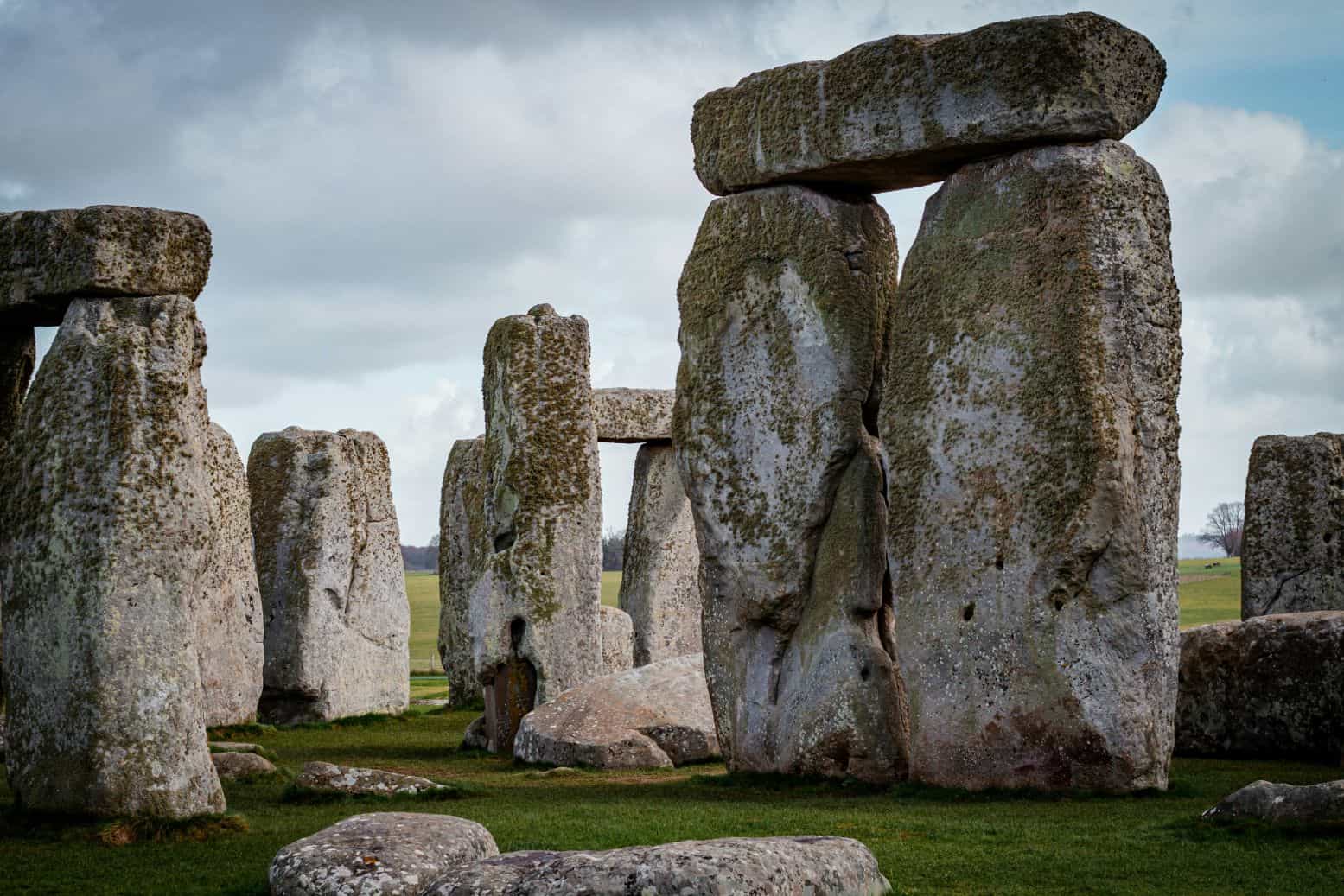
Much of England’s traditional celebrations have pagan and folk roots, going back to pre-Christian and rural times. In villages and local towns you may come across the occasional Morris dancing performance, folk music in the street, or more obscure, localized folk events (cheese rolling in Gloucestershire, anyone? How about worm charming in Cheshire, or the Obby Oss parade in Cornwall?). To really get amongst the pagans and druids, the summer solstice gathering at Stonehenge is quite the spectacle.
On a national level there’s May Day, which marks the turn of spring; children dance with ribbons around a maypole and crown the ‘May Queen’. During the Harvest Festival in the fall, children collect fruit and veg and bring them to church or school. Each year on November 5th, Bonfire Night celebrates when Guy Fawkes foiled the Gunpowder Plot, and local towns put on firework displays and burn their own ‘guy’.

England is a proudly multicultural nation, full of interesting people and customs – and that’s reflected in its yearly celebrations. In London, the renowned Notting Hill Carnival is a mammoth street party for Caribbean culture with parades, glitzy costumes, beat-heavy music and tasty food. Other major events include Diwali, the Hindu Festival of Lights (particularly big in Leicester as well as London); big Eid gatherings to mark the end of Ramadan; and nationwide Pride events, where LGBTQ+ revelers and their allies fill the summer with glitter-filled parades and partying.
England is famously obsessed with football; the Premier League draws fans from every corner of the globe, and local footie clubs are often the pulse of community life. Pubs will always draw crowds on match day, but international tournaments like the World Cup or Euros are all-consuming events, where you can’t get away from the colors of football shirts and the roar of public cheering.
But football isn’t the only English passion – England hosts an array of iconic sporting events. From the strawberry-scented Wimbledon tennis tournaments, to the thrill of the Grand National horse race; the drama of a cricket match at Lord’s, to the fierce rugby internationals at Twickenham. These events form a huge part of England’s cultural calendar, uniting people in pride, rivalry – and maybe a well-timed Mexican wave.

England’s heritage blends the new and the old in a satisfying concoction. Here are some of the benchmarks of England’s cultural heritage and how to experience them on a vacation to England…
England’s landmass is a compact and diverse tapestry of distinct regional cultures, but for first-time visitors at least, it’s all about London. England’s capital is the cultural center of the UK and one of the most iconic cities in the world. This center of cutting-edge art, food and fashion is where historic landmarks like St. Paul’s Cathedral and the iconic Clock Tower (the Houses of Parliament), sit side by side with the sleekness of the Shard, the Gherkin and Tate Modern.
London really sets the tempo for modern English culture; fashion trends are born in Shoreditch and music in Camden, many a new foodie scene starts out here, and fresh art movements and pockets of activism ripple outward to the rest of the country. In short, London is bold and endlessly creative, and many visitors find it gets under their skin in the most exhilarating way.

Green hills, manicured gardens, and sprawling national parks define England’s natural scenery. Those seeking a quintessential trip to England should head to the countryside, where tractors, villages of rural cottages, country pubs, and fields full of cows and sheep reign supreme.
Explore the Cotswolds, with its honey-colored stone houses and local cider; go hike in the dramatic Lake District and Peak District, with stunning lakes and rolling hills that inspired the Romantic poets; or head out onto the untamed moorlands in Dartmoor and Exmoor. For coastal beauty, the Jurassic Coast in Dorset is fringed with ancient cliffs and fossils, while the counties of Devon and Cornwall form a rugged beach paradise.
Just like England’s regional distinctions, there is sheer diversity in English architecture, a treat for any appreciator of design. With its long history, you’ll encounter old motte-and-bailey sites, striking medieval castles (Warwick Castle, or Harry Potter’s Alnwick), sprawling cathedrals (Canterbury, St.Paul’s or York), a huge range of National Trust houses, Tudor homes, and residential areas lined with Edwardian, Georgian, and Victorian townhouses. Mills, factories, engine houses, ornate railway stations, and more leftovers from the Industrial Revolution, all sit alongside contemporary modern structures, increasingly built with sustainable innovation in mind.

It’s tough to summarize England’s food scene – unless to say, ‘a bit of everything’. Typical English food is a very meat-and-potatoes affair, but as a country with generations of cultural diversity, England has embraced the Indian, Chinese, Middle Eastern, Caribbean and Mediterranean cuisines as if they were their own. Some of the world’s best and most innovative restaurants can be found here – though many will enjoy a Michelin-starred bistro just as much as their favorite Indian takeaway.
A fry-up breakfast, beans on toast, battered fish and chips and a Sunday roast are beloved British classics. Depending on the region, you might also see pie, mash and gravy or a hotpot (the north), local cider (the south west), Cornish pasties and a cream tea (Cornwall and Devon), or a more lavish afternoon tea for those looking to push the boat out. Locally-brewed ales are available at pubs up and down the country, and also at breweries, which are increasingly popular.
Let’s not forget the emblematic cup of tea – which is usually served with a splash of milk and maybe sugar, depending on preference. Tea will be offered and gratefully accepted at any and every opportunity. However, a decent daily coffee is just as necessary these days, and modern coffee shops are prolific.

As the birthplace of literary giants such as William Shakespeare, Jane Austen, Charles Dickens, Virginia Woolf and the Brontë sisters, it’s no surprise that visitors come to England expecting a hit of literary inspiration. These icons of the written word are still revered for their influence today – visit Shakespeare’s home in Stratford-upon-Avon, explore the Jane Austen Museum in Bath (also home to the exceptional Roman Baths), take a Dickens walking tour in London, and experience more modern-day bookish deep-dives at the annual Oxford Literary Festival.
As for the rest of the arts, there are theaters as respected as those in the West End to smaller, local theaters; art museums full of classic works to the more modern expressions; and music venues big and small, catering for all tastes and moods. If you’re physically resilient and determined enough to attempt the feat of getting a ticket, one of the biggest music festivals in the world takes place at Glastonbury each June (there’s a fallow year every four years). This is huge in the UK – even if you can’t get a ticket, it’s covered by the BBC on TV and radio so that everyone can get a slice of the action.

If you’re drawn to English culture and customs, get in touch with one of our locally-based travel experts to book a trip to the UK. They’re based within England, equipped with all the local knowledge you need to book the English vacation you’ve imagined.
Explore all featured destinations
Join our mailing list for travel inspiration, trip recommendations, and insights from our local experts.