A beginner’s guide to Sardinia
May 28, 2026
You can travel to France at most any time of year, but when the right region combines with the right season, you’re in for a real treat. France promises divine cuisine, from high-end restaurants to humble village markets; rural landscapes of Impressionistic mastery; the glitzy, sun-splashed coast of the French Riviera; and the iconic romance of Paris. Many would agree: France makes for the ultimate European break. In this article, we’ll go into the best time to visit France by region and season, so no matter your vision for the perfect France vacation, you can plan for the best weather and experiences.
It helps to understand that the northern and central regions of France have wet winters and warm summers, while the sleepy Mediterranean vibe in the south of the country brings hot, dry summers and mild winter months. The mountainous areas of France, like the French Alps, are usually snow-covered in winter, which melts into fresh green hills in the summer (though the peaks remain snow-topped).
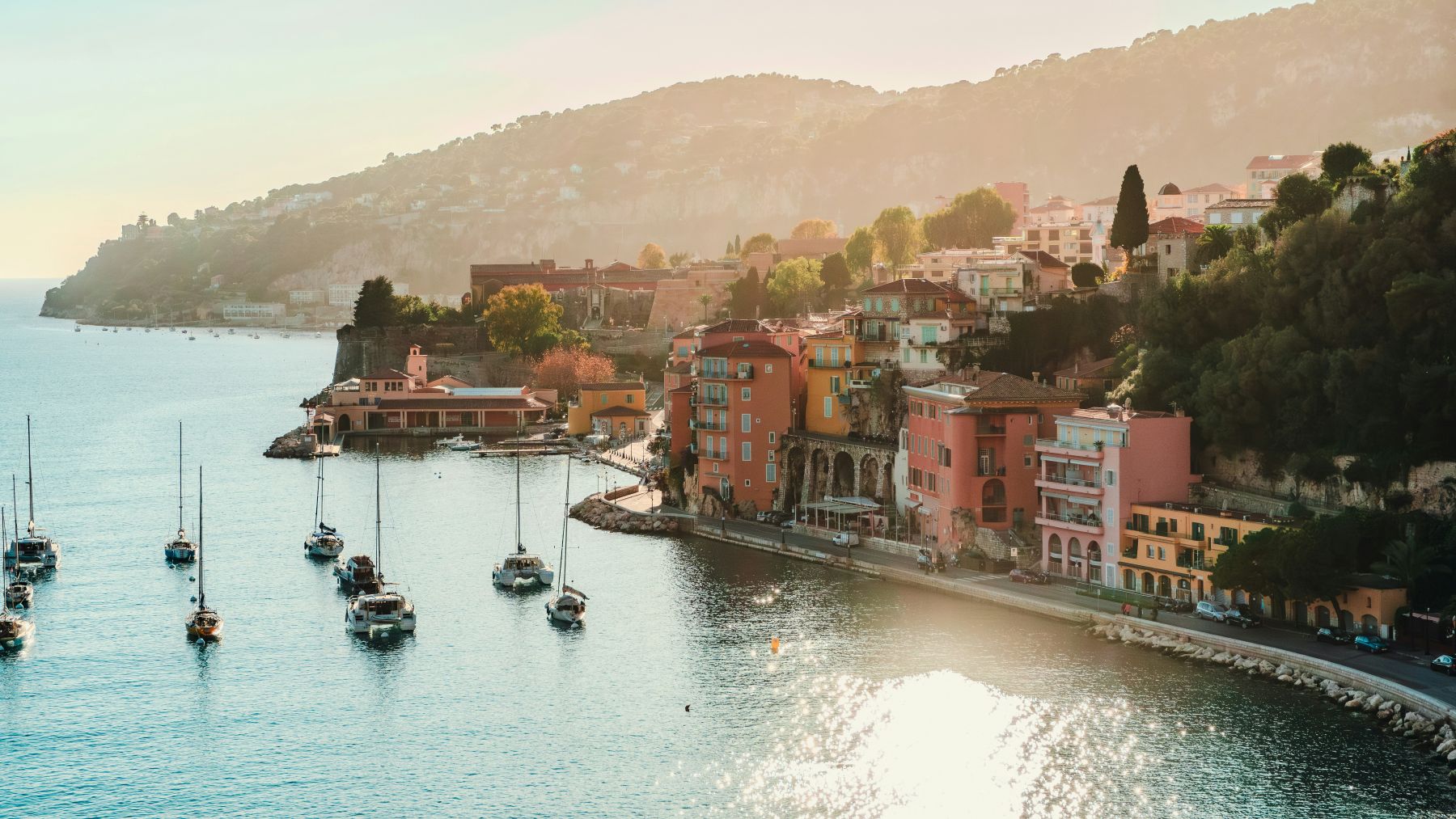
When you imagine the wild flower fields of Monet’s paintings, the blossoming parks of Paris, the bustling French food markets—you’re imagining France in the spring. This is a truly lovely time to visit, as the days become longer after a dark winter, temperatures are mild and skies clearer, and the foliage becomes lush, blooming and green.
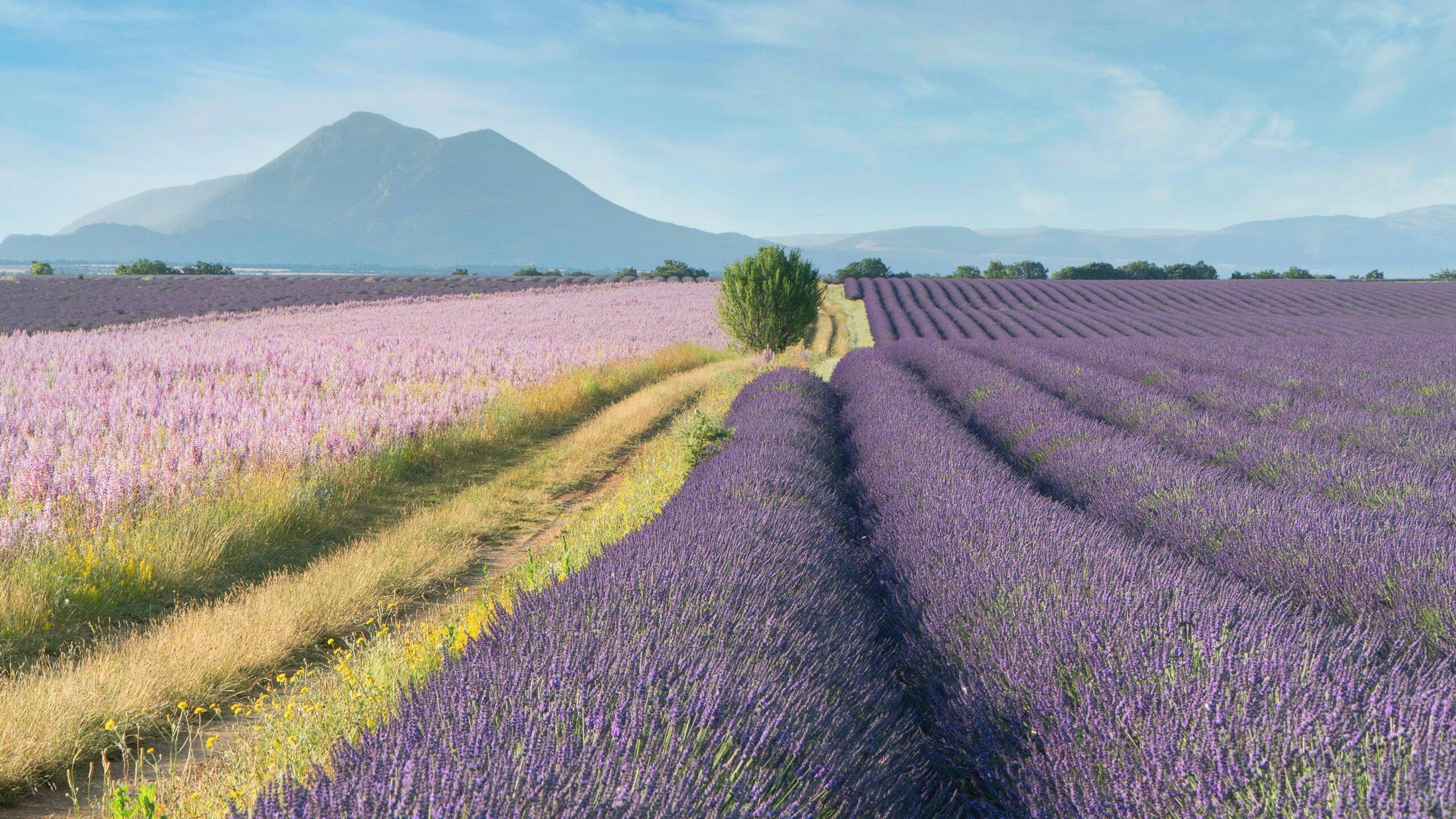
Provence in the spring is sun-warmed, with rolling hills and lavender fields. Villages liven up so you can practice your French with locals. There won’t be as many tourists as in summer, and spring brings an uplifting energy.
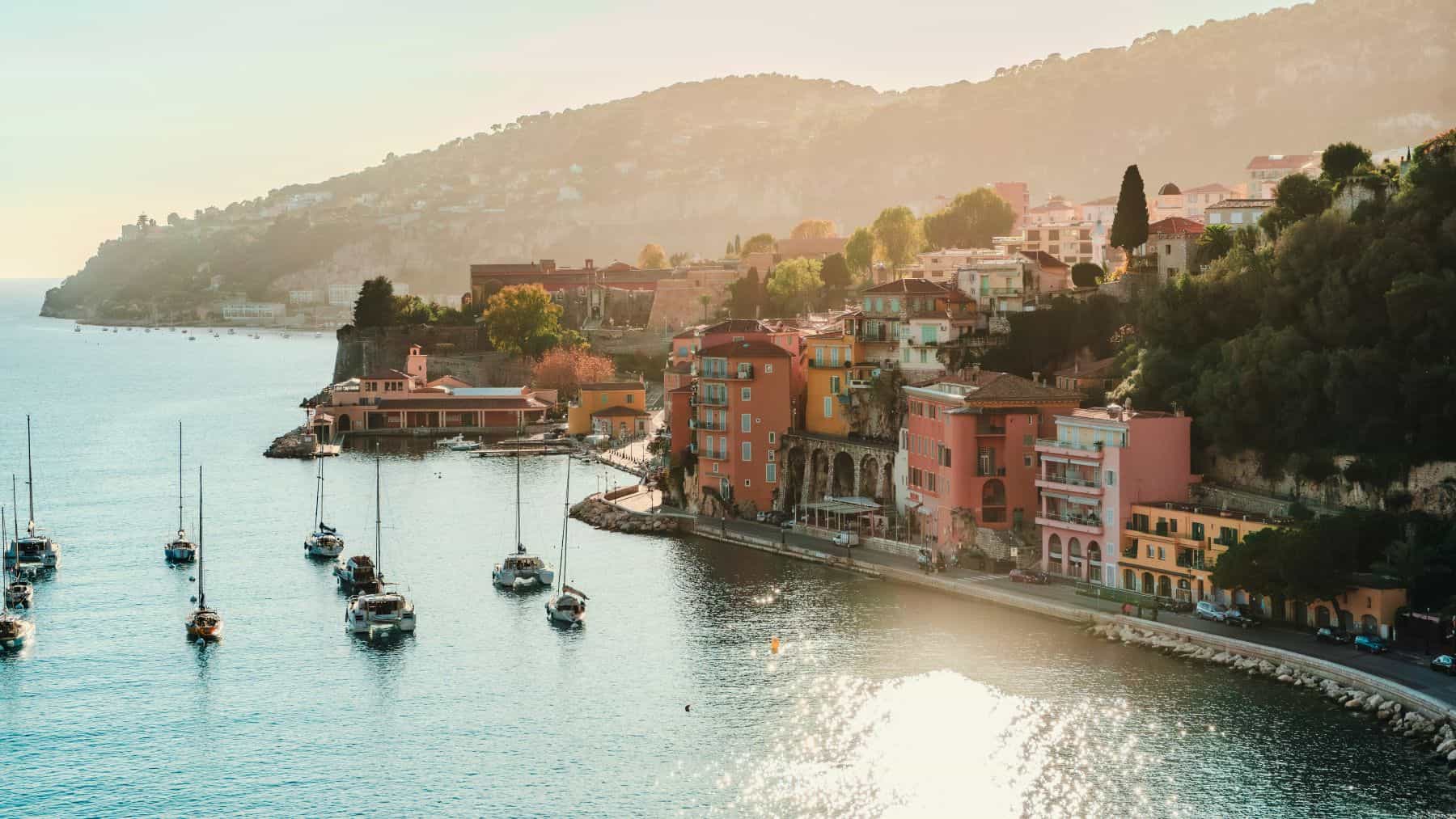
Spring is shoulder season along the French Riviera, but its dreamy azure ocean, pastel houses, and balmy temperatures are still fabulous. The harbor town of Villefranche-sur-Mer, the dramatic cliffs of Cassis, and hilltop village of Eze still see many visitors, but if you head there first thing in the morning, you’ve the best chance of having the gorgeous coastal views to yourself.
In the north of France, Normandy is gorgeous in spring. Though milder and slightly colder than the south, there’s a clarity and freshness that’s hard to beat. Normandy is famous for its cider apples, and spring is when the orchards bloom into soft pinks. You can enjoy walks along the coast, and visit Monet’s garden in Giverny when the tulips and irises are at their finest.
Spring is also a beautiful time to witness authentic city life in Paris. People start to sit outside of cafes and have picnics along the river, and the sun lends a stunning light for photography.
Read more: A guide to Paris’ best arrondissements

Summer is peak season in France for tourists, and the South of France offers sheer summer indulgence. It’s extremely busy in the French Riviera, so if you visit at this time, go out early in the morning, adventure away from busy spots to seek out quiet, lesser-known coves, and you can usually discover a secluded place to read and sunbathe.
Central France is wonderful in the peak of summer—try the Loire Valley for quintessential castles, excellent wine-tasting, and casual cycling trails. It’s romantic in Amboise, where you can canoe on the lake and stop for a while at Château d’Amboise and its gardens.
Don’t forget the French Alps and Pyrenees: in the summer the snow in the lower foothills melts, meaning grassy, tree-lined hiking trails and breathtaking vistas of snow-topped mountains as your company. The alpine village feel of places like Megève and Annecy still endures, even without the snowfall.
Summer is very busy in Paris, but at any time of year, it’s a trip you’ll never forget. It’s the ideal time for a boat ride down the Seine, long, twilit evenings savoring French cuisine, and meandering at leisure in warm weather (though be warned, summer rain can happen). Getting out early in the morning will serve you well.

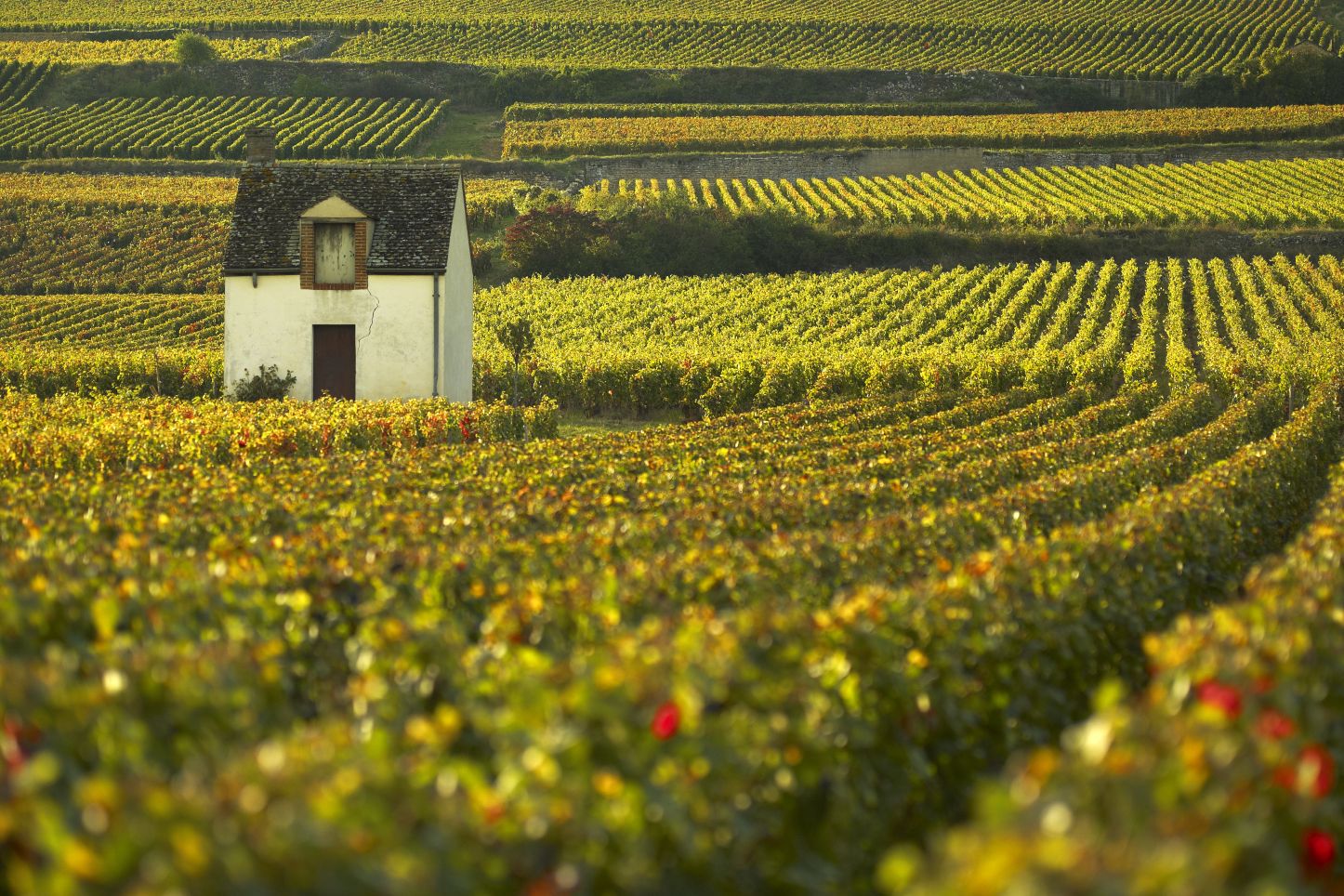
For wine and food lovers, what better place than France in its abundant autumn months? This is the time to embrace the famed wine regions—such as Burgundy, Bordeaux, the Loire Valley—to sip and savor your way through France at its most fruitful.
Burgundy is suitably named at this time of year, with reddening hues and golden-brown foliage that surrounds its forests and lakes. Why not follow the Route des Grands Crus (Route of the Great Wines), covering quintessential cities, towns and villages like Beaune, Dijon and Santenay?
As well as great cultural events (like September’s European Heritage Days in Beaune), this route is home to scenic vineyards and a patchwork of hilly views, where you can taste Pinot Noir reds and Chardonnay whites, and find excellent bistros to sit down to locally-sourced and organic fare. Try a perfectly paired wine with the likes of bœuf bourguignon, complemented with plates of creamy Époisses cheese, roasted game, and flavorful mushrooms.
Read more: What to eat in France: a travel guide for foodies
Winter is the low tourist season in France, as it can be a wet and grey time with shorter days, especially in the north—however there is magic to be found, and having fewer crowds at tourist sites is always a pleasure.
It’s high season in the mountains, however, and skiing in the French Alps is some of the best in the world. If you’re a lover of the piste, ski towns like Chamonix, Annecy, Megève and Grenoble are stunning, with gasp-worthy views of the peaks, cozy chalets with fresh alpine views, and of course, the après-ski cuisine (they go big on the raclette). If you’re a non-skier, you won’t be left wanting; head out in some good snow boots for lakeside walks and icy trails, finishing in steaming, thermal spas.
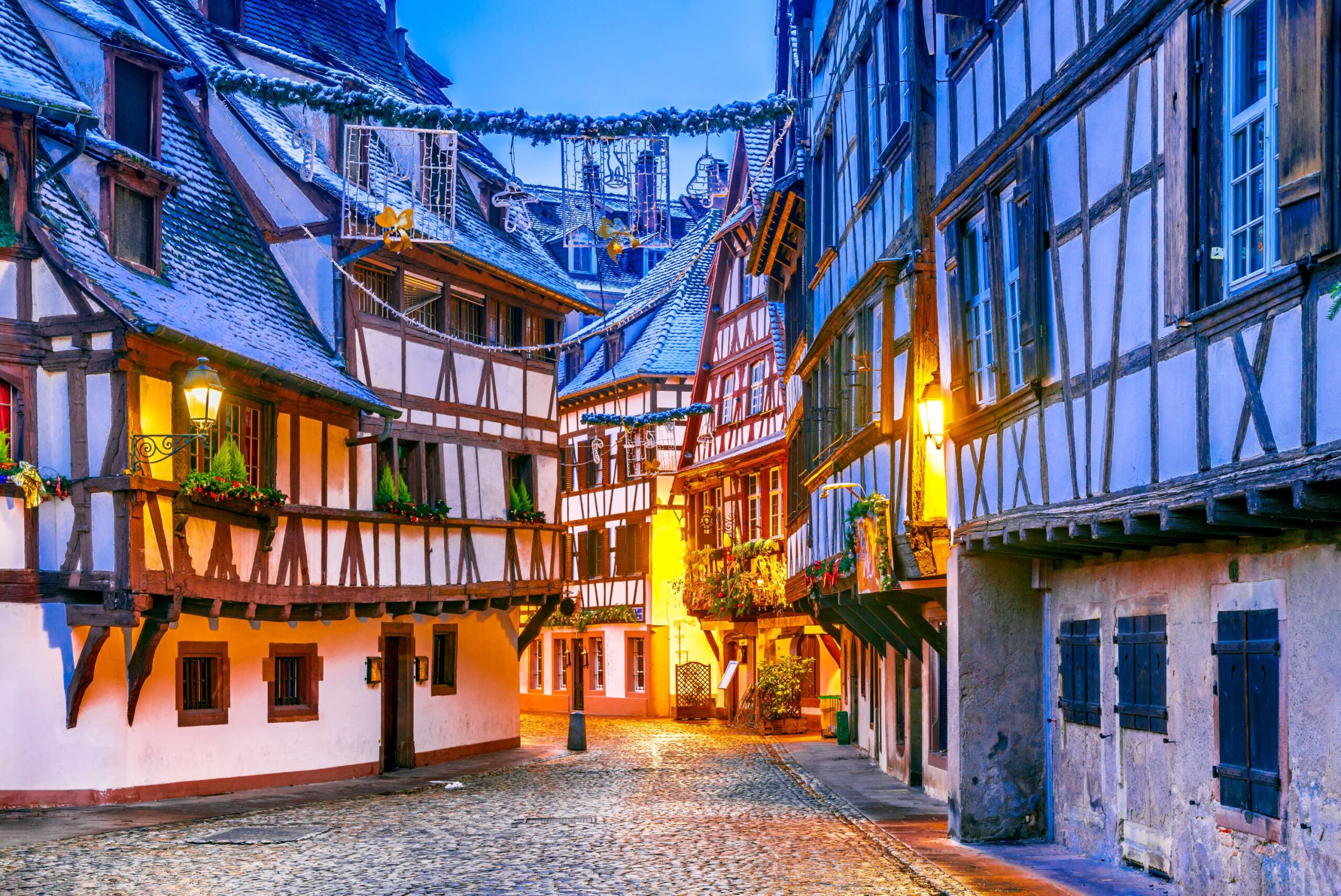
In the city, Paris at Christmas is twinkling and glamorous. There are fewer crowds in museums, so head to the Louvre, the Musée d’Orsay and the modernist Centre Pompidou for unobstructed views of the artworks. It’s also easier to get a table at the best-rated restaurants for a classic, candle-lit meal. Traditional Christmas markets fill the squares, and the trees along the entire Champs-Élysées are illuminated, making it one of the most elegant seasons to be here.
For more end-of-year magic, Alsace has perfected the art of celebrating Christmas, and offers classic Yuletide experiences steeped in tradition and warmth. The region’s capital Strasbourg is a must-visit for first-timers, while arty Colmar and lesser-known towns and villages such as Kaysersberg carry plenty of unique charm of their own.
Here’s a quick rundown of which regions of France shine in which season…
As one of the most iconic cities in the world, tourist numbers are always high in Paris, but it’s busiest in summer. In the spring and fall (March-May, September-October) you can avoid the rush, the light is stunning, prices are more reasonable, and there is still the chance of warm weather. Though northern France sees the warmest weather in the summertime, the shoulder seasons are a great time to visit, too.
The spring and fall months (March-May, September-October) are the best time to explore the stunning Riviera coastline and enjoy the balmy air without being squeezed like sardines on the beaches. If you do visit during the summer, try exploring the quieter coves between the well-known hotspots. That said, the South of France can be glorious at any time of year, and even temperatures in winter still hit around 54-59 degrees Fahrenheit (12-15 degrees Celsius).
The fall season (September-October) brings the grape harvests and abundant produce to France’s wine regions, as the surroundings become a rich golden brown. It’s a wonderful time to go cycling or walking, stopping for wine tasting and delectable food along the way. Spring is also a wonderful time of year to visit, as nature comes into full bloom.
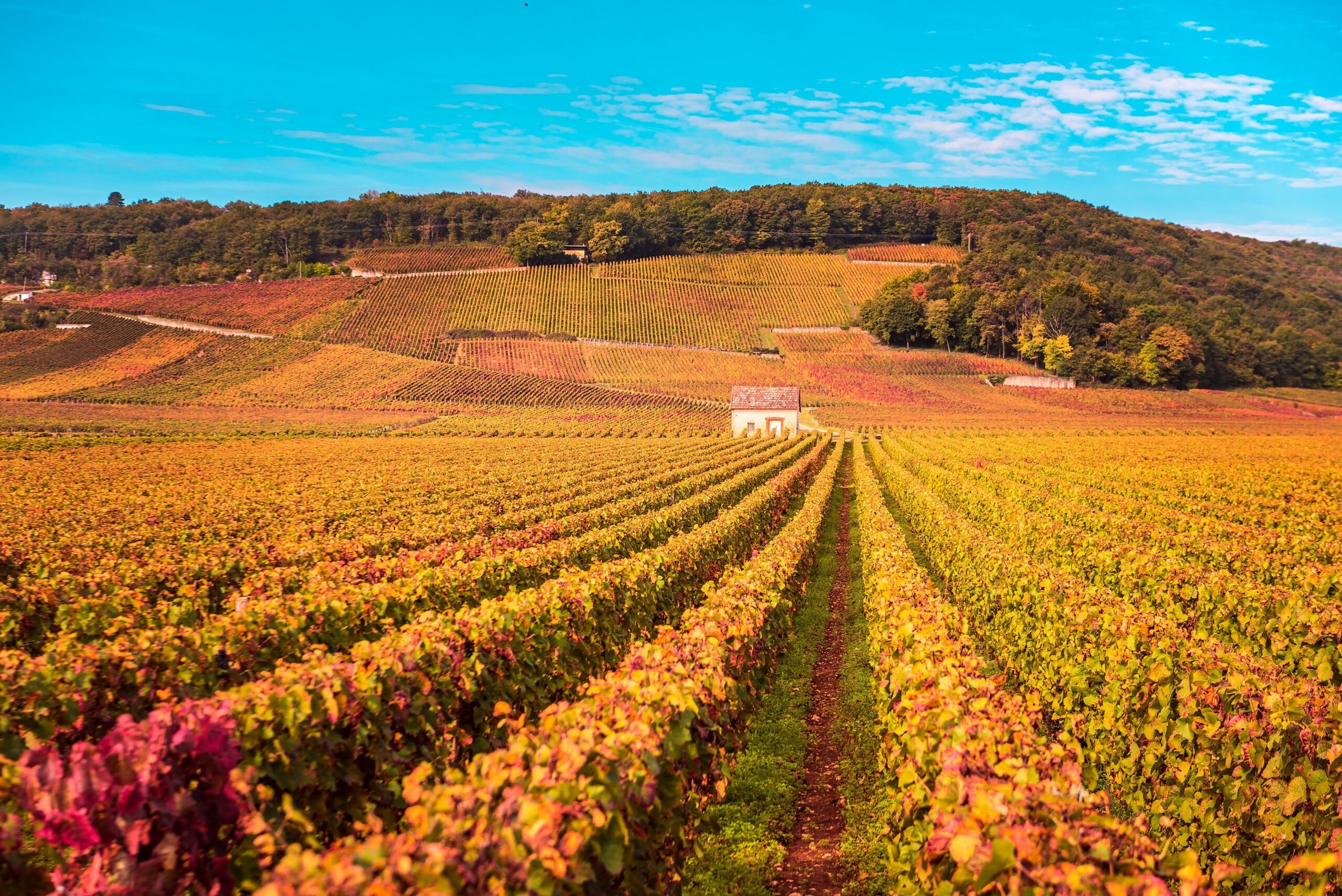
The rural scenes of the Loire Valley and other central regions come to life in the fall/autumn months (September-October), when the foliage turns rust-colored and the rolling hills are abundant with grapes and produce. Cycling or hiking around lakes and forests at this time of year feels like a true call to nature.
In the French Alps and Pyrenees, the skiing and snow are at their best during the winter months (November to February). This is when you’ll ski on the best powder, but will have many other skiers in the lodges alongside you. The summer and shoulder seasons make for gloriously green landscapes, for a refreshingly different summertime experience.
Read more: A gastronomic way of life: France travel tips from a local expert
If you and your party are budget travelers, the cheapest time to visit France is late fall through winter (November-March, excluding Christmas/New Year).
Winter (November-February) is low season in France, without the crowds of summer in almost every region—except the French Alps for ski season. However, traveling during the spring and fall (March-May, September-October) will offer the best of both worlds, with decent weather and fewer tourists than the summer.

Many will say the best weather is in the peak of summer, from July to August. This is when the days are longest, temperatures highest, and there is the least chance of rain. However, this is Europe, and the weather can be unpredictable. For pleasant weather that curbs the tourist rush of summer, the spring and autumn offer mild and lovely conditions.

To discover the sheer romance of France at its best, get in touch with our local travel experts. They’re based in the destination and know exactly when the best time to visit France and its diverse regions is. They also have the in-depth knowledge you’ll need to build the France itinerary you’ve always imagined, for a personalized escape you’ll remember forever.
Explore all featured destinations
Join our mailing list for travel inspiration, trip recommendations, and insights from our local experts.