The best time to visit Laos and Cambodia
June 10, 2026
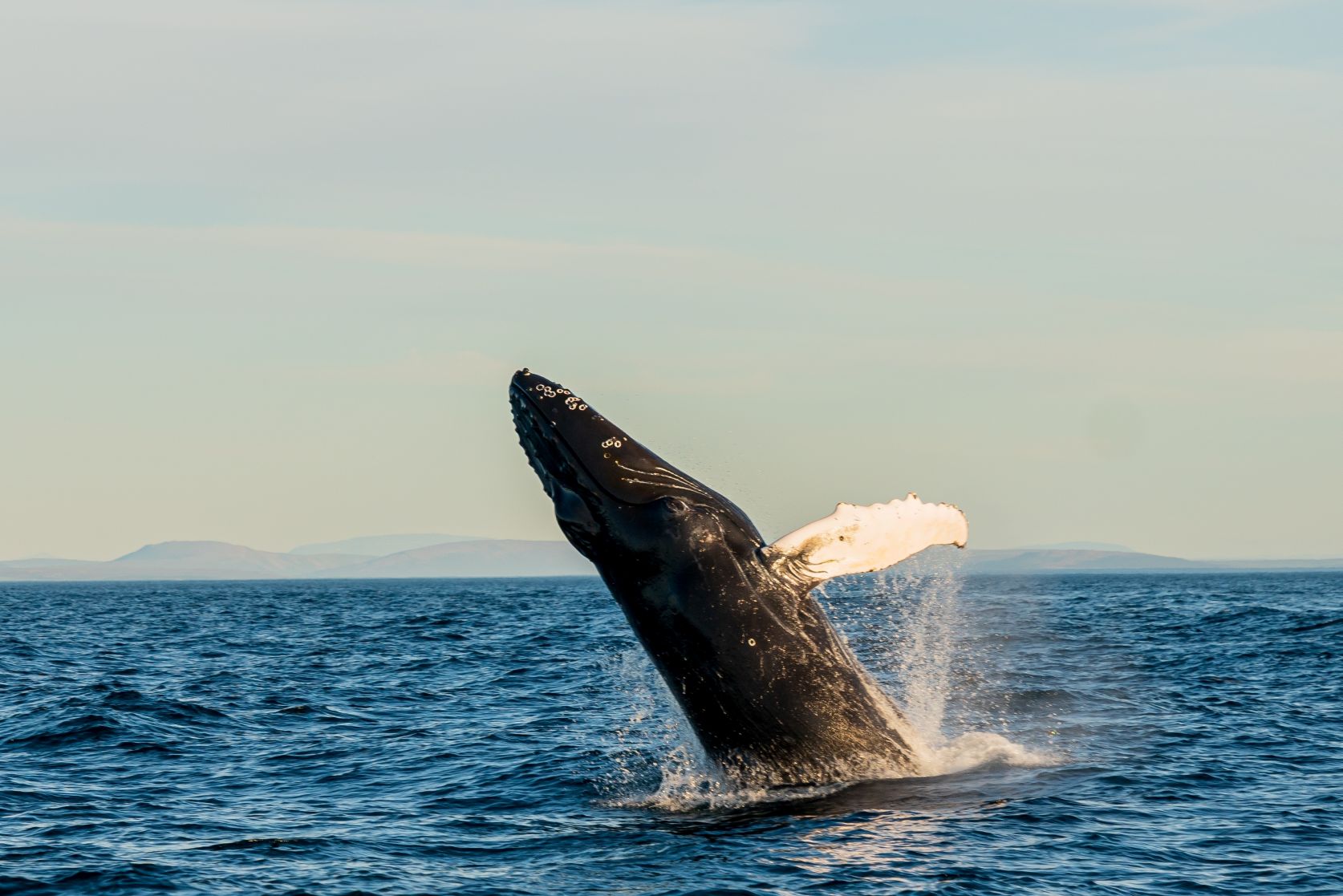
Visiting Iceland in summer promises a gloriously surreal vacation. Get ready for endless days of golden light, the clear sun shining on glaciers, waterfalls and volcanic craters; and the chance to spot puffins and whales off the dramatic coastline. Whether you’re camping outdoors under the midnight sun or soaking up the culture in Reykjavik, travel to Iceland in summer for the perfect opportunity to enjoy a different kind of experience.
Iceland has a surprisingly mild summer climate, with temperatures hovering around 50–59 degrees Fahrenheit (10-15 degrees Celsius), or even higher on sunny days. That said, the weather is unpredictable, so pack enough layers and be prepared for sun, wind and rain – sometimes all in one day!
Summer is a great time to visit Iceland as everywhere is accessible, and it’s comfortable enough to venture a bit further than the winter. Though the northern lights are less visible than in winter months, you’re still treated to the incredible experience of the midnight sun.
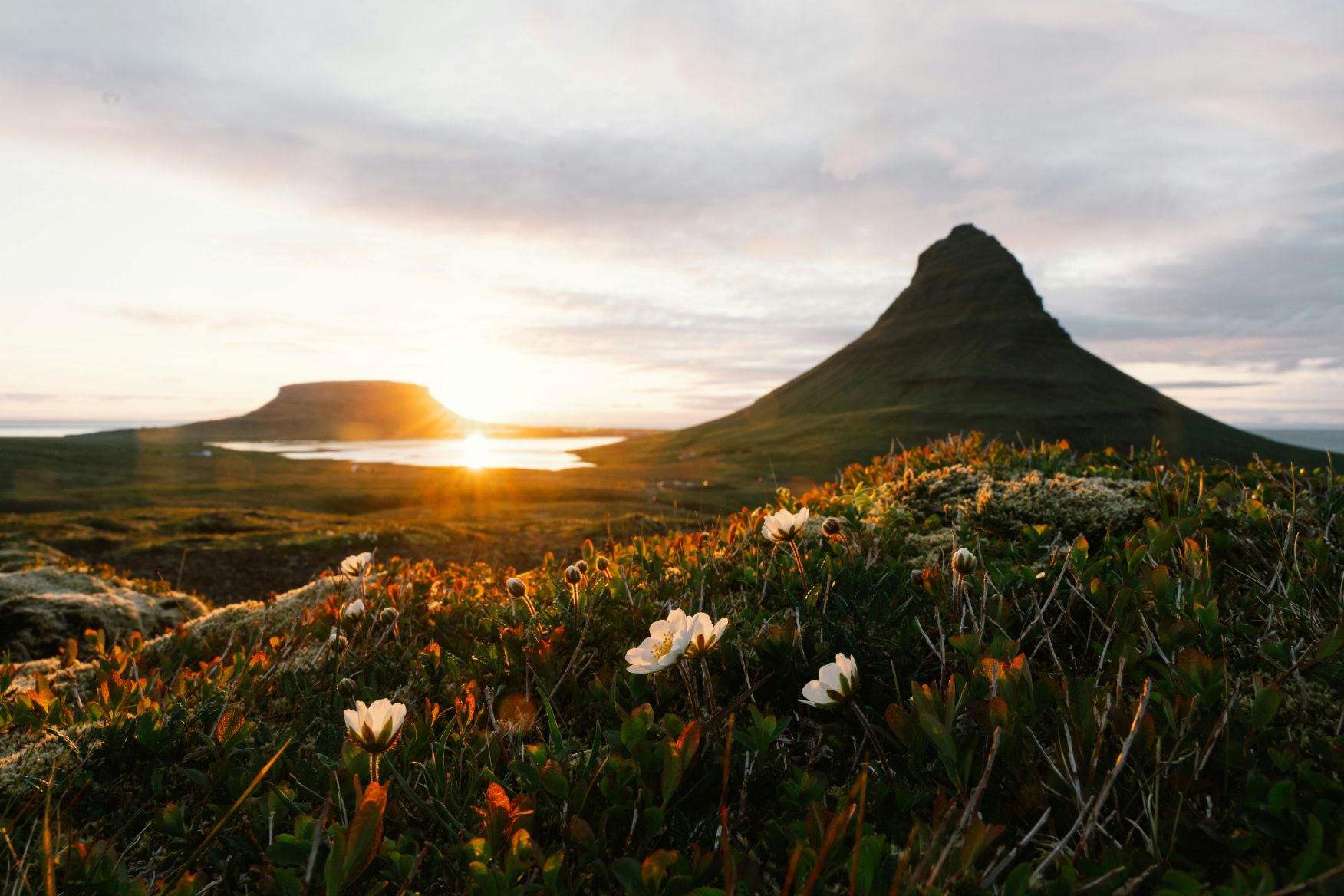
One of Iceland’s defining features is the midnight sun phenomenon, where the sun doesn’t totally set for a period of weeks. This occurs in Iceland and other nations this far north in the Arctic Circle, from late May to late July. To experience it fully, the continuous sunlight is most prominent in the northern regions of Iceland and the Westfjords.
In southern areas like Reykjavik, a somewhat ‘bright night’ occurs, where the daylight dims into twilight, but never gets completely dark. No matter where you are, it’s truly memorable, as nothing quite compares to a ‘midnight hike’ under skies that seem like the evening or afternoon.
It’s extremely rare. Winter is prime time to spot the northern lights in all their glory, as the deep darkness of the winter skies offers the perfect backdrop to the dancing aurora borealis. In summer, the lingering brightness simply washes it out, and it’s very unlikely you’ll see it clearly. Instead, summer in Iceland brings the long days, and many opportunities to road trip, go on glacier-chasing adventures, and see the glory of Iceland in sun-lit clarity.
Summer is the most accessible season in Iceland as snow that previously blocked roads has melted and conditions are safe.
Read more: Iceland’s hiking hotspots
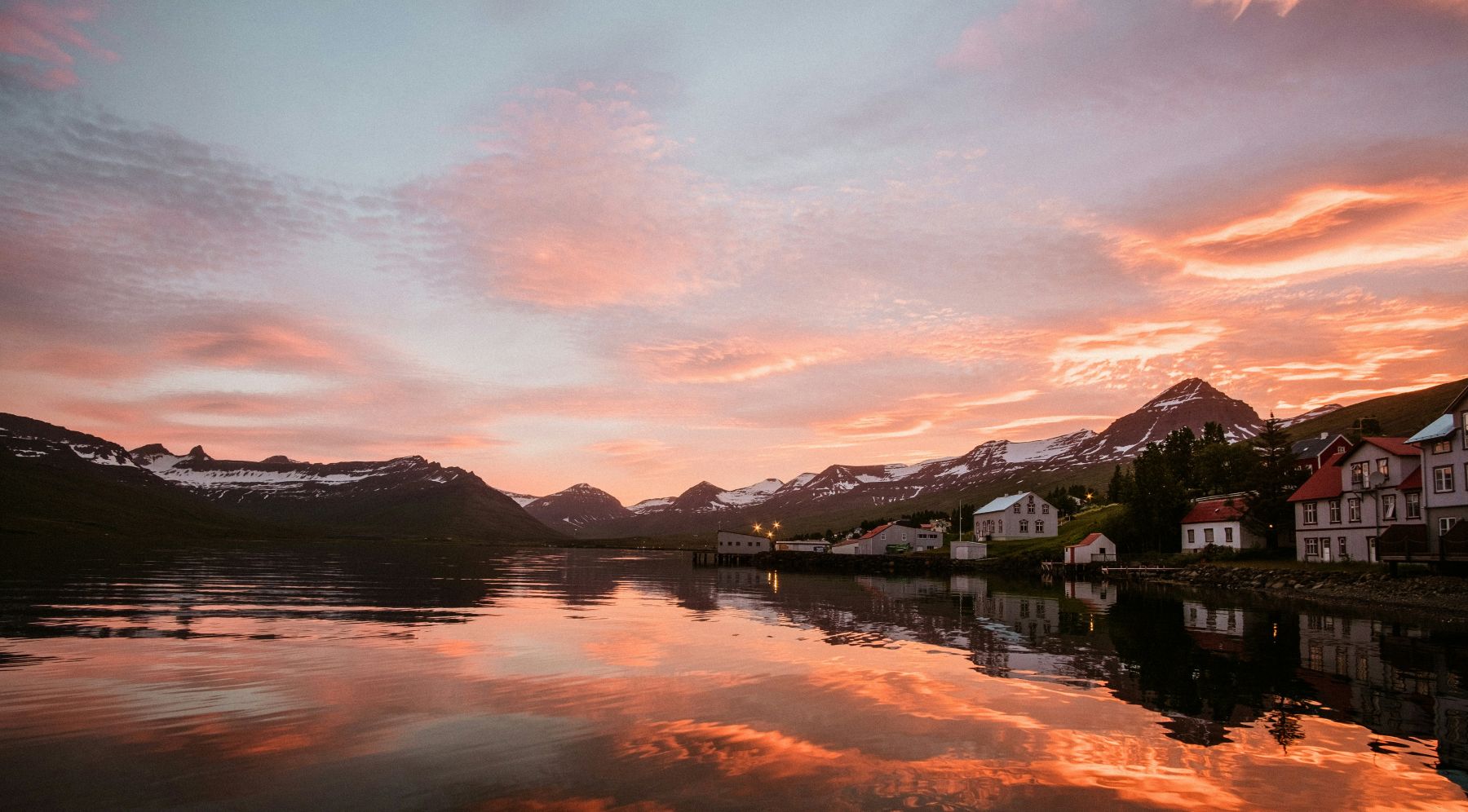
There’s nothing like being in the great outdoors during a day that literally never ends – and Iceland is one of the best places to experience this. Roads that were blocked during the winter open up come summer, meaning all of Iceland’s best sights are accessible by 4×4. During the midnight sun period, ‘summer evenings’ go on long past midnight, so camping under the open skies is truly magical.
Set up camp at scenic spots like Þingvellir National Park, Snæfellsnes Peninsula or Landmannalaugar and enjoy late-night photography, surreal midnight hikes, and outdoor meals under the hazy twilight glow.
Summer means Iceland’s highlights are accessible and offset with clear, blue skies. Here are some of the best places to visit…
If you’re a first-timer to Iceland you simply can’t miss the classic Iceland itinerary: starting with Reykjavik, the compact and culture-filled capital with a picturesque harbor; and continuing on the Golden Circle route, stopping at ancient and elemental Þingvellir National Park; the steaming natural beauty of Geysir hot springs; and the thundering Gullfoss waterfall.
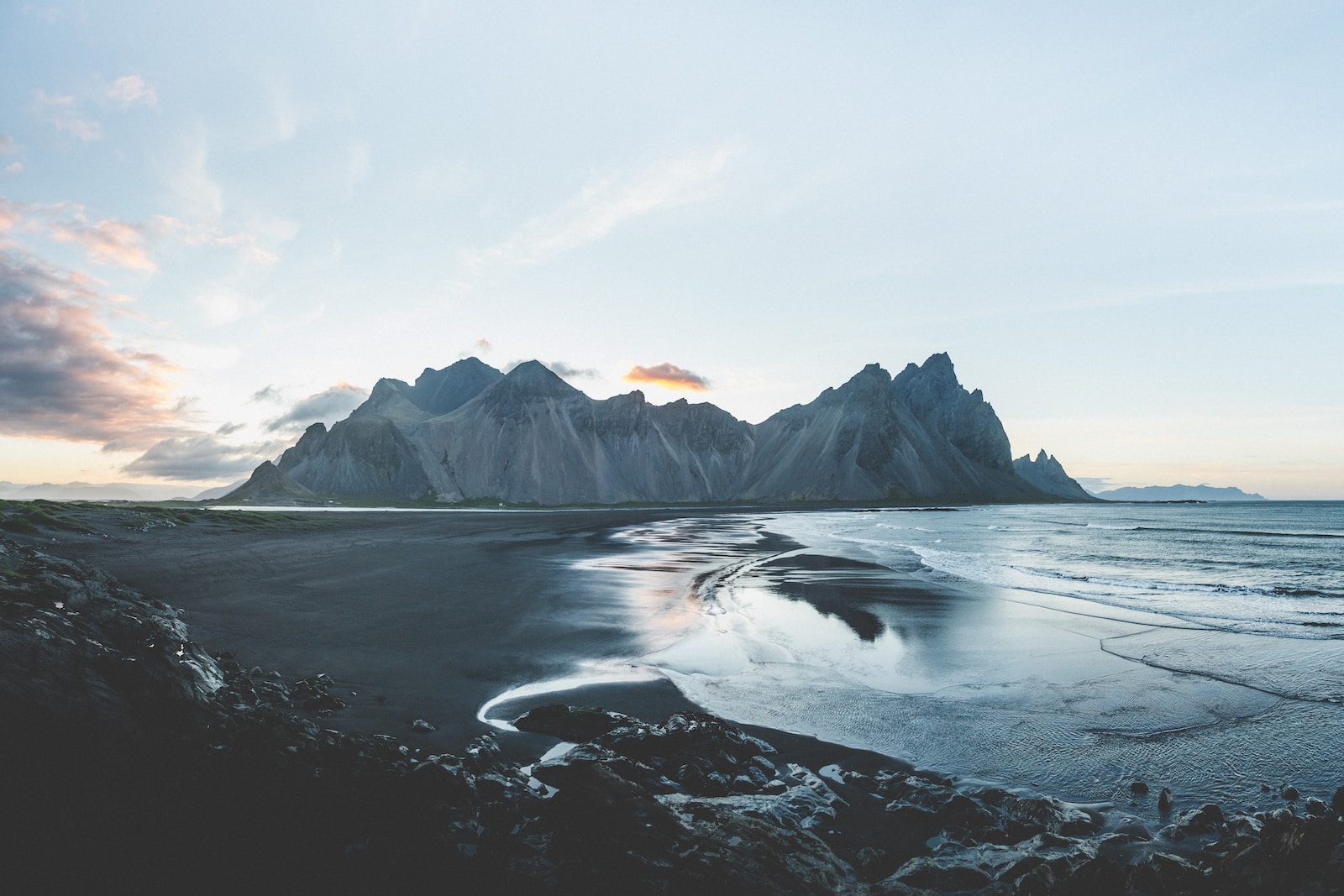
If you add a trip to the south coast you’ll see the stunning Seljalandsfoss and Skógafoss waterfalls and the atmospheric Reynisfjara, full of black-sand beaches and roaring Atlantic waves. These stops really pack in some of Iceland’s quintessential sights and the dynamic extremes of mother nature.
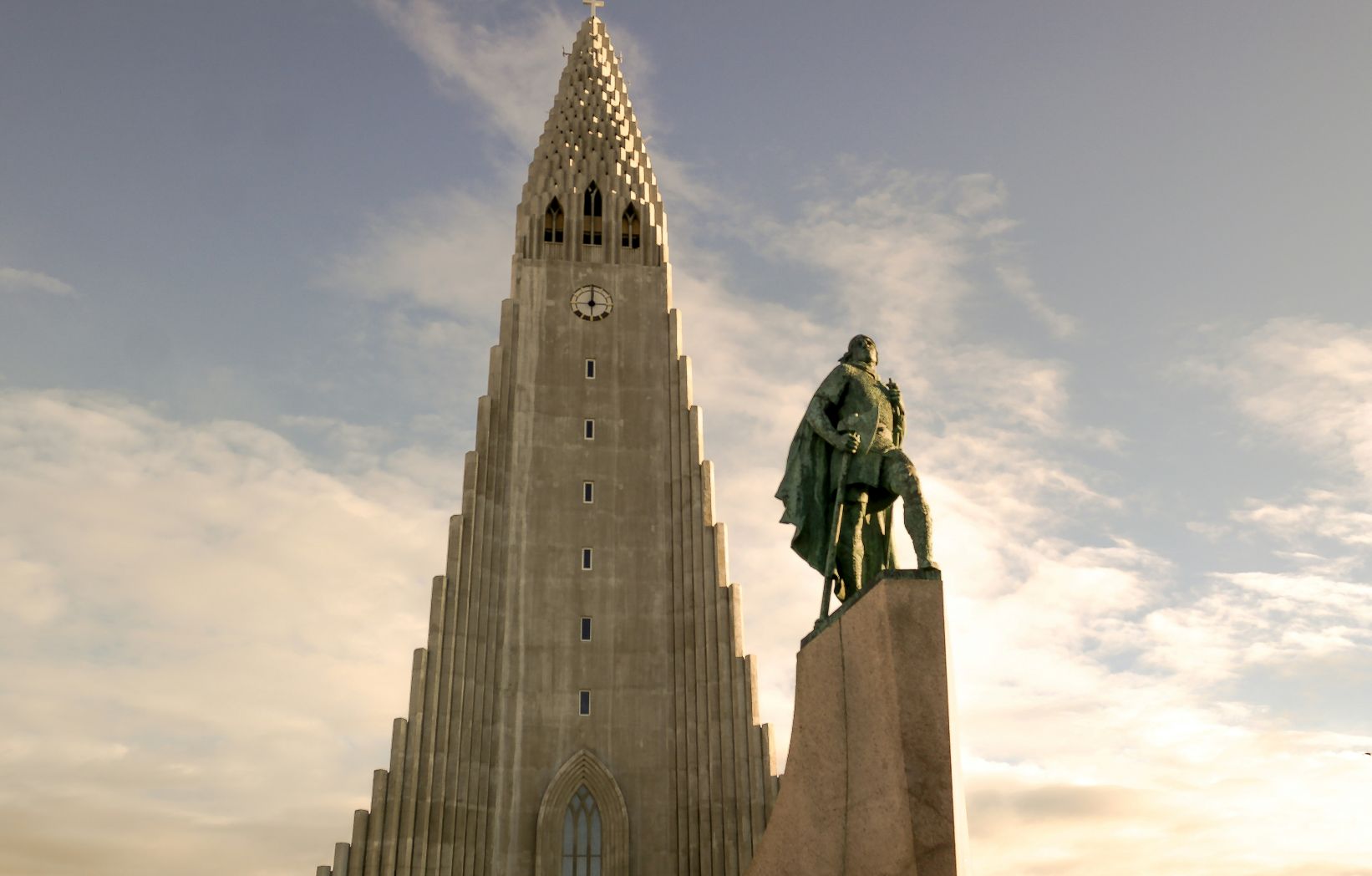
If you crave something altogether more rugged, you can venture to the Westfjords, Iceland’s least-visited region. A self-drive tour leads past sheer cliff faces, hidden hot springs and villages that few wander through. This is the place to sit and watch puffins nesting on Látrabjarg cliffs; you can also soak in the seaside pools at Krossneslaug and admire the rust-red sands of Rauðisandur Beach.
Inland, the Highland interior of Iceland is where to see the planet at its most elemental and raw – it’s a volcanic heartland of black deserts, steaming fumaroles, and eye-catching rhyolite mountains. These rugged F-roads only open in summer, so it’s the ideal time to travel to the peaks of Landmannalaugar, or explore Askja caldera and Hveradalir’s bubbling geothermal valleys.
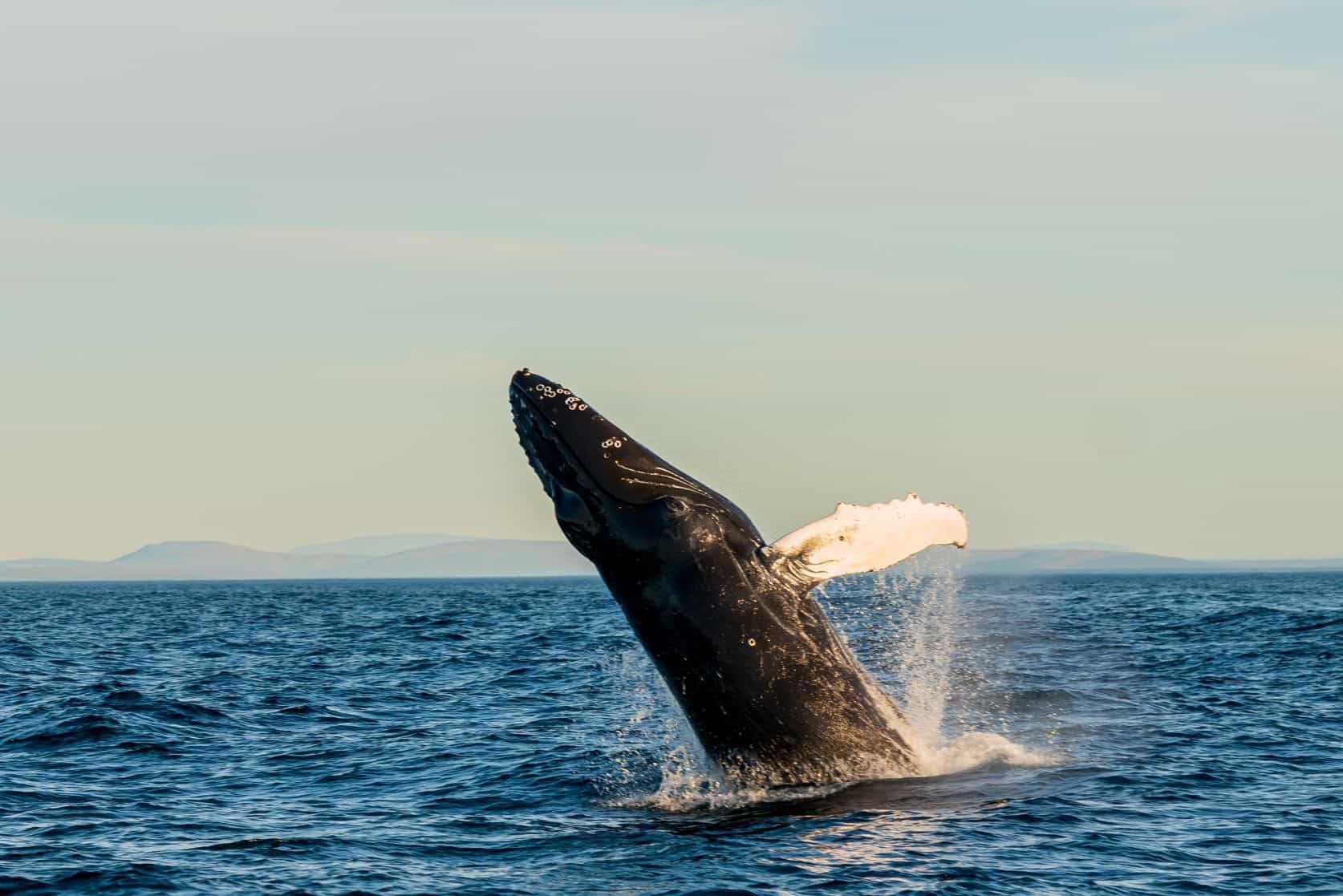
Taking Iceland region by region is recommended if you have the time to dedicate to this glorious, ancient land. In the north is Lake Mývatn, where you’ll find steaming lava fields, surreal ‘pseudocraters’ and tons of birdlife; whereas nearby Húsavík is the place to spot humpback and minke whales.
Meanwhile, jutting out from the west coast is the Snæfellsnes Peninsula, often called ‘Iceland in miniature’ because of its natural diversity in such a small space. Here there are lava fields, coastal villages, black-sand beaches and more – offering a rewarding mini-trip that packs loads into a small space.
There’s a pleasant cultural mix of events in Iceland during the summertime…
‘Unpredictable’ is the key term for Iceland’s weather, so even though it’s summer, bring clothing for all conditions. Some days it can be sunny, others rainy or even very cold, so bring layers and waterproof clothes. Good waterproof walking boots are recommended for hikes. Sunglasses and sunscreen are needed year round, and swimming gear is a must for impromptu dips.
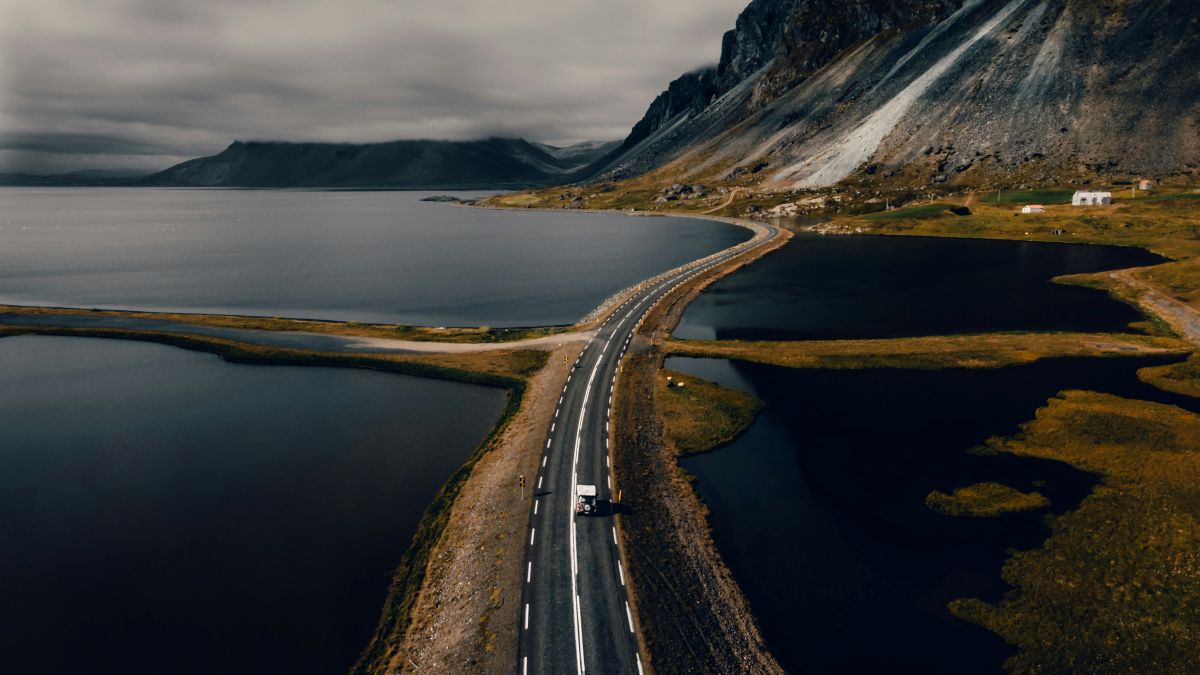
Iceland’s roads open up in the summer so pretty much everywhere is accessible for adventure. If you’re heading on a self-drive tour of Iceland, renting a 4×4 is recommended for highlands or remote areas, and it’s wise to check conditions if you head onto mountain routes or river crossings. If you book a tour with us, getting in touch with your local travel expert can put your mind at ease when it comes to driving.
Sometimes catching domestic flights can save time if you’re heading to the north or Westfjords, or if you’d prefer not to drive at all, lots of tours and bus services cover the main routes.
Read more: Our top local expert tips for visiting Iceland
Though Iceland is known for its, well, ice – summer is actually the busiest season! This is especially true around Reykjavík, the Golden Circle and the South Coast, where tourists tend to flock. But head north, west or into the Highlands, and you’ll still find plenty of quiet, wild spaces to enjoy a special and undisturbed adventure.
Iceland isn’t cheap, and summer is the most expensive time of year. You can make your trip more economic by booking early, going camping or visiting smaller towns outside the main tourist hubs – or chat to our local travel experts in Iceland for more help with this.
Yes! You’ll see striking blue ice even under the midnight sun. Glaciers like Vatnajökull and Sólheimajökull can be visited year-round, and the summer accessibility actually makes it safer.
June to August are the warmest and brightest months, with endless daylight, clear skies, and roads to the Highlands opening up after being closed through the winter. June is the best time for the midnight sun, while late August starts to offer a chance of seeing the northern lights again.
If you’re all set to travel to Iceland in summer, get in touch with our local travel experts. They’re based on the ground in Iceland, and are equipped with the in-depth knowledge you’ll need to plan a fantastic Iceland summer tour.
Explore all featured destinations
Join our mailing list for travel inspiration, trip recommendations, and insights from our local experts.