
Get to know Malaysia’s Langkawi Island
July 1, 2026
There’s something special about an island vacation — that feeling of escaping everyday life to live at a slower pace; that promise of paradise. These Asian islands deliver a range of perfect tropical escapes, and many are located in some of the best Southeast Asia vacation destinations. Some are polished pearls, with well-established routes and infrastructure, and others require a little more effort to reach, rewarding that extra distance with space, quiet, and a stronger sense of escape. No matter what your version of paradise, there’s an island in Asia for you — read on to find out more.
Well-known destinations often come with assumptions — crowds, overdevelopment, a sense that they’re somehow past their best. In reality, many of the most famous islands in Asia remain popular because they still deliver. The key is knowing how to approach them.
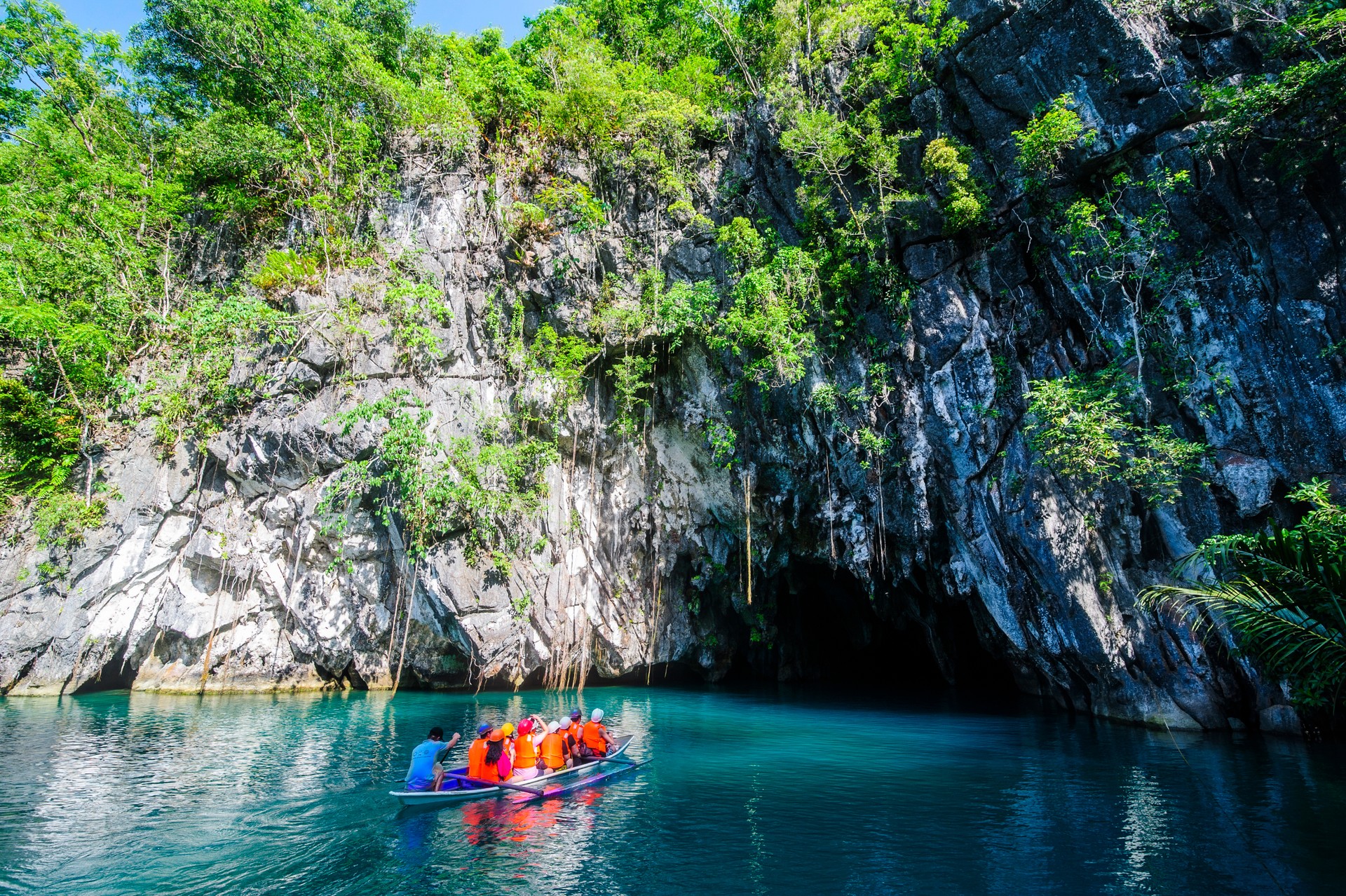
Despite its regular appearances on ‘best of’ lists, Palawan lives up to the hype. In fact, it often exceeds expectations. Its beaches rival the Maldives (many of them surprisingly devoid of tourists), its jungle interior is crammed with wildlife, waterfalls and old growth forest, and its ocean is renowned for its world-class scuba diving, including wreck diving.
Palawan is the largest in an archipelago of 1,780 islands, making it an island-hopping heaven in the Philippines. Tours will take you to El Nido and Coron, gliding through a maze of karst limestone formations and hidden lagoons, and arriving at stunning beaches for a seafood lunch. Explore the coast by sea kayak, a suitably low-impact activity on an island known for its sustainable approach to tourism.
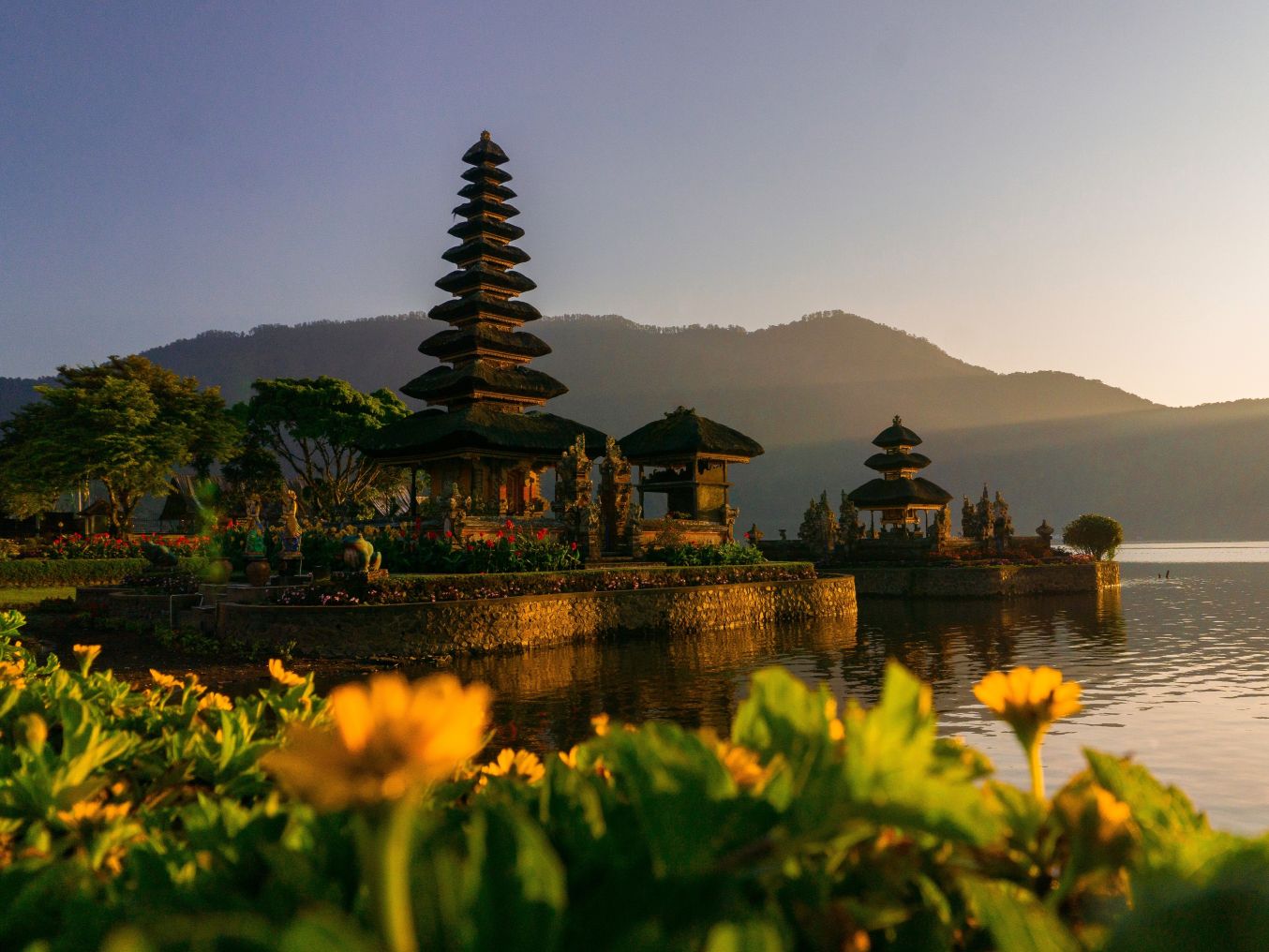
People describe Bali as either over-visited or an essential Southeast Asia vacation destination – in fact both can be true. This Indonesian island is one of those rare destinations that can be whatever you want it to be – surf haven, wellness retreat, cultural deep-dive, or tropical beach break. It’s a place of contrasts — sacred temples beside beach bars, jungle calm next to scooter chaos, and centuries-old rituals juxtaposed with digital nomads on laptops. Its Hindu culture shapes everything, from daily offerings to grand temple ceremonies, and seems to provide an underlying serenity to the whole island.
For a single base on the coast, most people choose Seminyak for its beach clubs, upscale dining, and boutique shopping, or Canggu which is more relaxed and arty. But make sure you spend at least a couple of days in Ubud, the island’s cultural and spiritual heart, with its rice terraces, yoga studios, art galleries, and jungle villas. And don’t miss the Kecak fire dance at sunset.
Read more: Bali off the beaten track: hidden gems to explore
As one of Thailand’s most visited destinations, Phuket could be a victim of its own success. But plan your visit and choose your base, and Phuket is still an utterly charming island to explore. With around 30 wonderful beaches, there’s plenty of choice between boutique resorts, relaxed family-friendly areas, and good surfing spots. If you’re feeling adventurous, rent a scooter and find your own secluded bay, and if you’re feeling even more adventurous head for Patong – loud and unapologetically wild, but with some fantastic restaurants tucked behind the chaos.
On the east of the island, you’ll find mangroves, fishing villages and Phang Nga Bay’s limestone karsts, and much of the north is part of Sirinat National Park – Phuket at its most peaceful. Spend at least one day visiting Phuket Town, which has an atmospheric old quarter filled with pastel-colored shophouses, street art, and traditional cafés. And don’t miss Thalang Road’s Sunday Walking Street Market where the locals hang out.
Visit between November and April for perfect beach time and boat trips, while May to October means fewer crowds and lower prices, but with the risk of a few afternoon showers.
Once a sleepy island of fishermen and pepper farms, Phu Quoc is now Vietnam’s premier beach destination, with luxury resorts and a vibrant nightlife. The development boom was mainly in the south, and over half of the island remains protected as a national park. You can hike through jungle trails, spot macaques, or kayak through the Cua Can River mangroves, and stay in eco-resorts tucked into the forest.
As far as Asian islands go, Phu Quoc’s beaches tick all the boxes for tropical paradise – white sand, turquoise water, and palm trees, with beachfront restaurants serving grilled squid and banh khot (mini savory pancakes). You can go island-hopping around the An Thoi Archipelago, a cluster of small islands with coral reefs and clear water off the southern tip, also perfect for snorkeling or diving. The east coast is where you’ll discover the island’s wild corners that have a whisper of its old charm, with fishing villages like Ham Ninh where you can eat fresh crab off the pier.

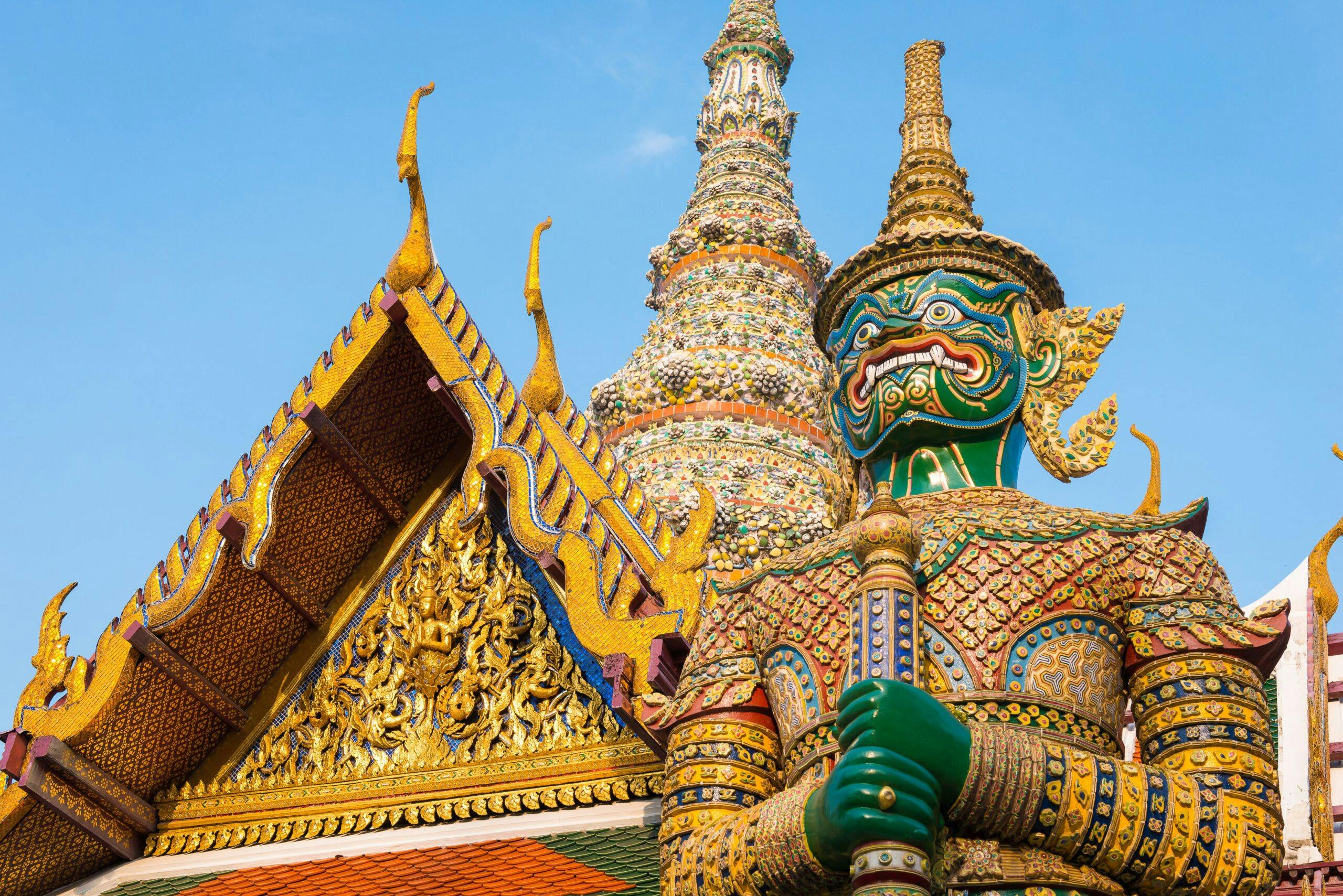
One of the more famous Asian islands, Thailand‘s Koh Samui manages to be both glamorous and laid-back, polished yet still distinctly Thai. The beaches are, of course, stunning, including lively Chaweng with its nightlife, shopping, and restaurants. Lamai is a more relaxed mix of beach bars, boutique resorts, and yoga retreats, and Bophut and Fisherman’s Village are trendy but charming, with restored wooden shophouses, chic cafés, and a Friday night walking street market.
Explore beyond the beach on a guided hike to the Na Muang Waterfalls, take a Jeep tour of the island’s lush, green interior, or spend a day exploring Ang Thong Marine Park, a cluster of emerald islands perfect for kayaking and snorkeling. For a glimpse into local spirituality, visit the Secret Buddha Garden in the central hills, or check out Big Buddha Temple, a 12m golden statue and Samui’s most recognizable landmark.
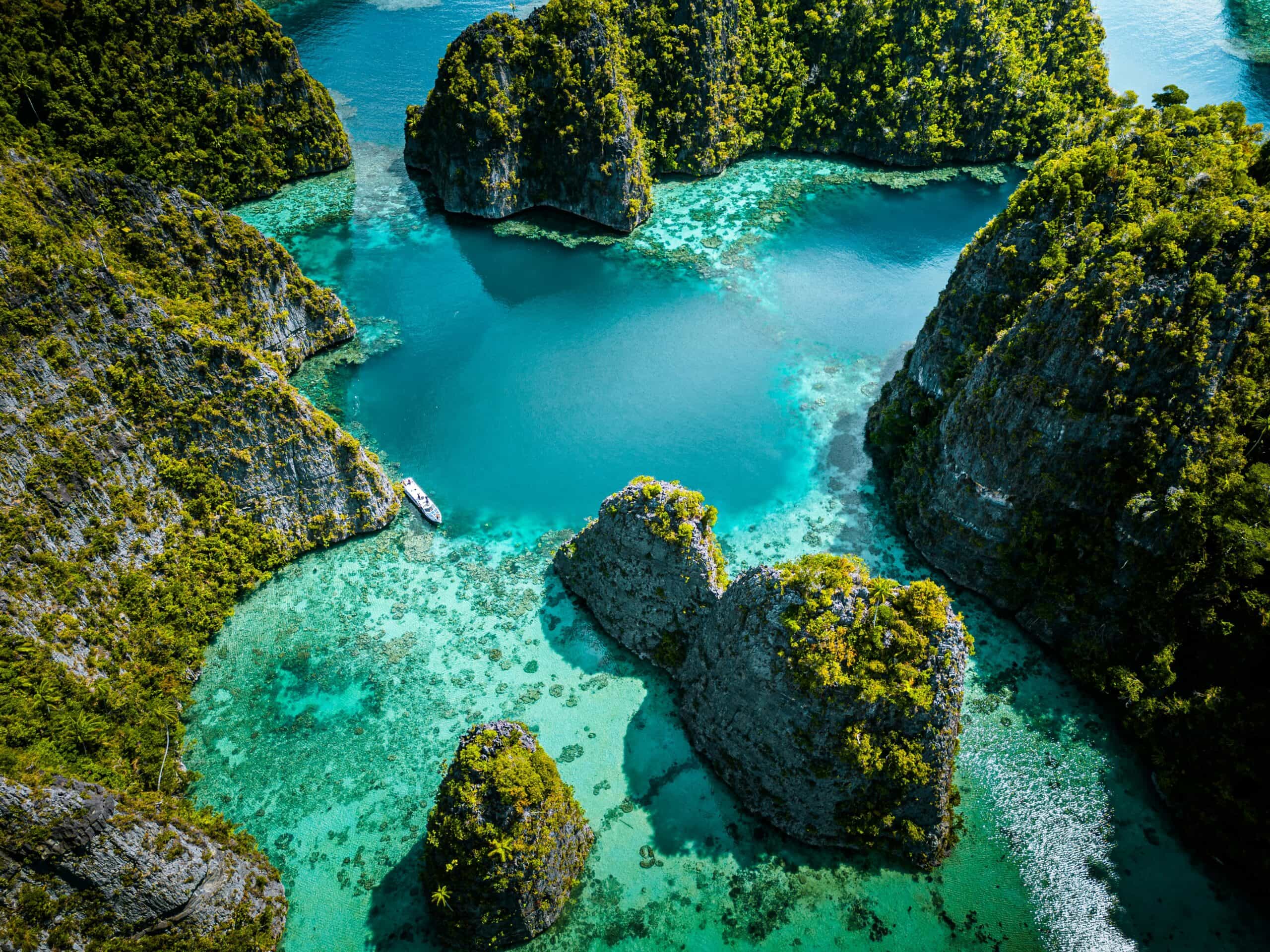
Raja Ampat isn’t just another tropical island; it’s the wildcard in our list. Tucked away off the northwest tip of Papua New Guinea, this hidden gem in Asia takes effort to reach, but rewards anyone craving raw, untouched beauty without the crowds. Truly wild and unspoiled, this might be the ultimate island escape.
Raja Ampat means ‘Four Kings’, referring to the four main islands — Waigeo, Batanta, Salawati, and Misool — surrounded by over 1,500 smaller islets, limestone karsts, turquoise lagoons, and coral reefs. There’s almost no mass tourism in this part of Indonesia, and one of the best ways to experience it is to stay in a simple homestay or eco-lodge, many of which are community-run, with conservation fees going directly toward reef protection and local development. It’s one of the most biodiverse marine regions on Earth and home to more than 75% of the world’s coral species and over 1,500 species of fish, so it goes without saying that it’s a scuba diving mecca.
Read more: Our guide to the main islands of Indonesia

If your travel style leans more towards off the beaten track, there are still some hidden-gem Asian islands, which offer a similar sense of escape without the same level of visibility.
Vietnam’s Con Dao Islands are remote and serene and home to some of the country’s most beautiful beaches. Development has been relatively restrained, so you can find your own little corner of paradise. The main island, Con Son, has a small-town vibe, with a few luxury eco-resorts and world-class diving. Away from the beaches, the jungle-covered hills are full of hiking trails from where you can spot giant black squirrels and tropical birds.
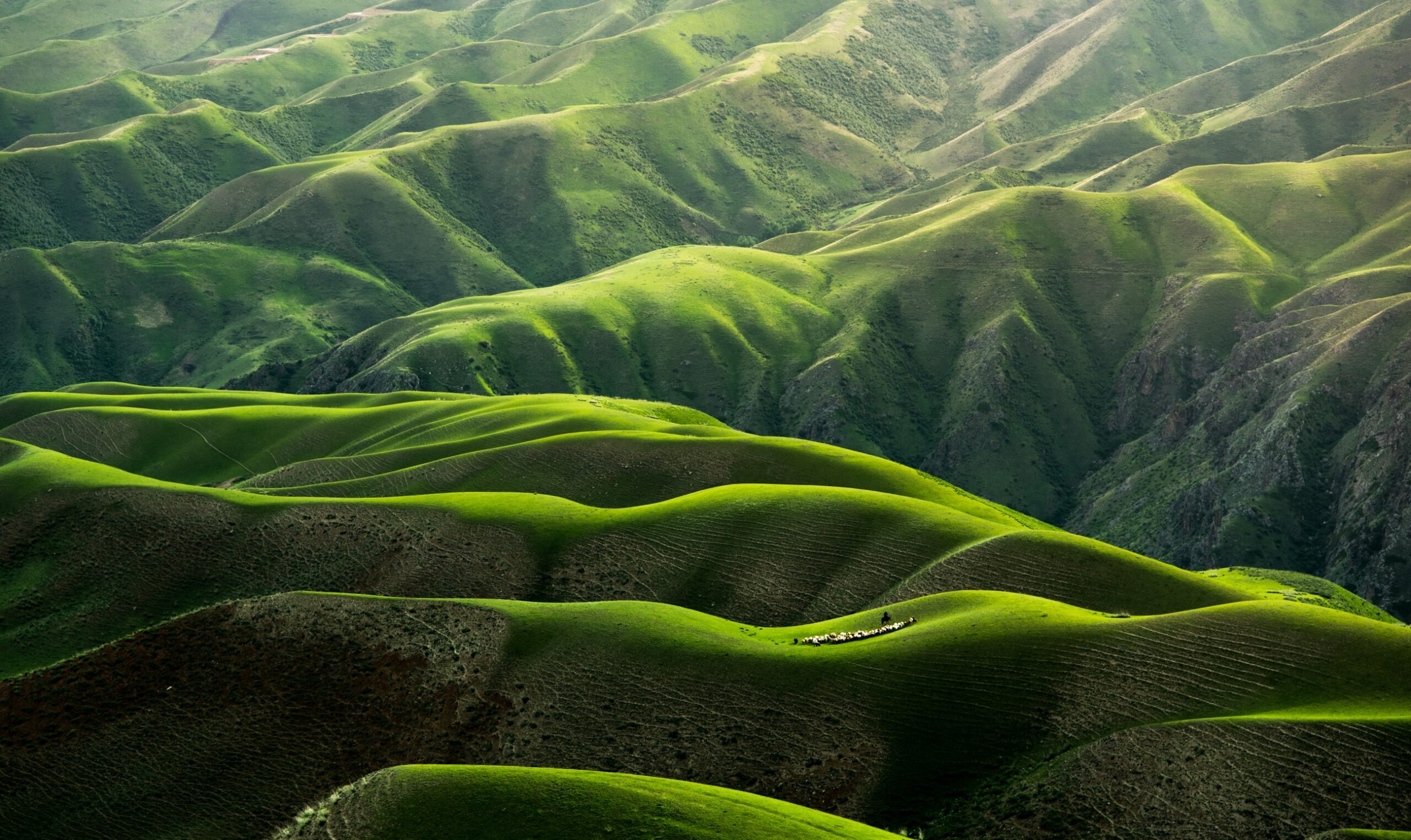
Indonesia‘s Sumba feels like Bali decades ago — traditional villages, rice paddies, and miles of jungle interior, plus tranquil beaches where you’re just as likely to spot horses as people. It isn’t somewhere you’ll get a curated experience, but somewhere to make your own adventures.
Compact but dramatic, Camiguin is a tiny hidden gem, well off the tourist radar, with a distinct identity and a landscape shaped by its seven volcanoes. You’ll find hot springs, lush forests, dramatic waterfalls, and some of the most wonderful beaches in the Philippines – which is saying something!
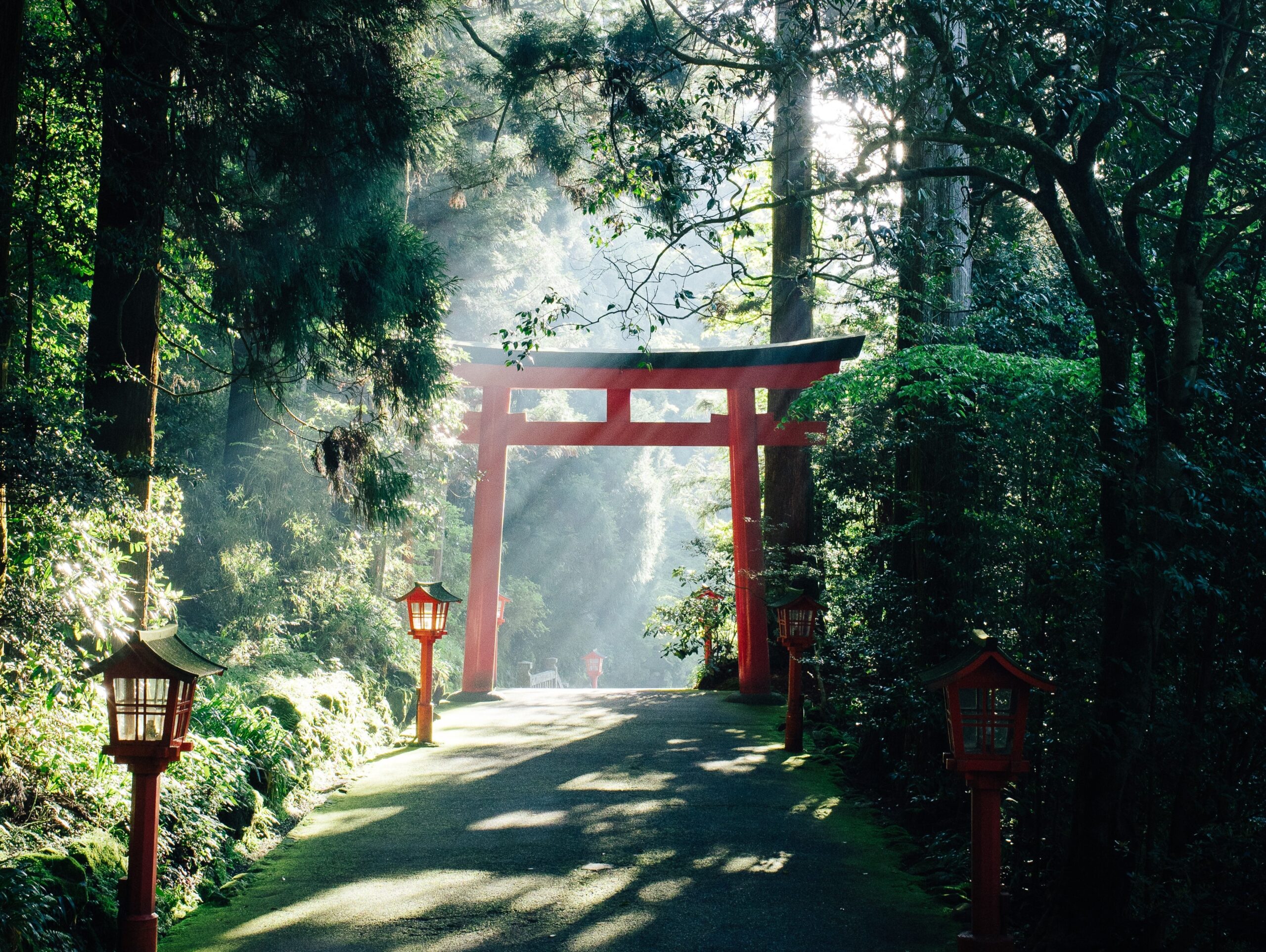
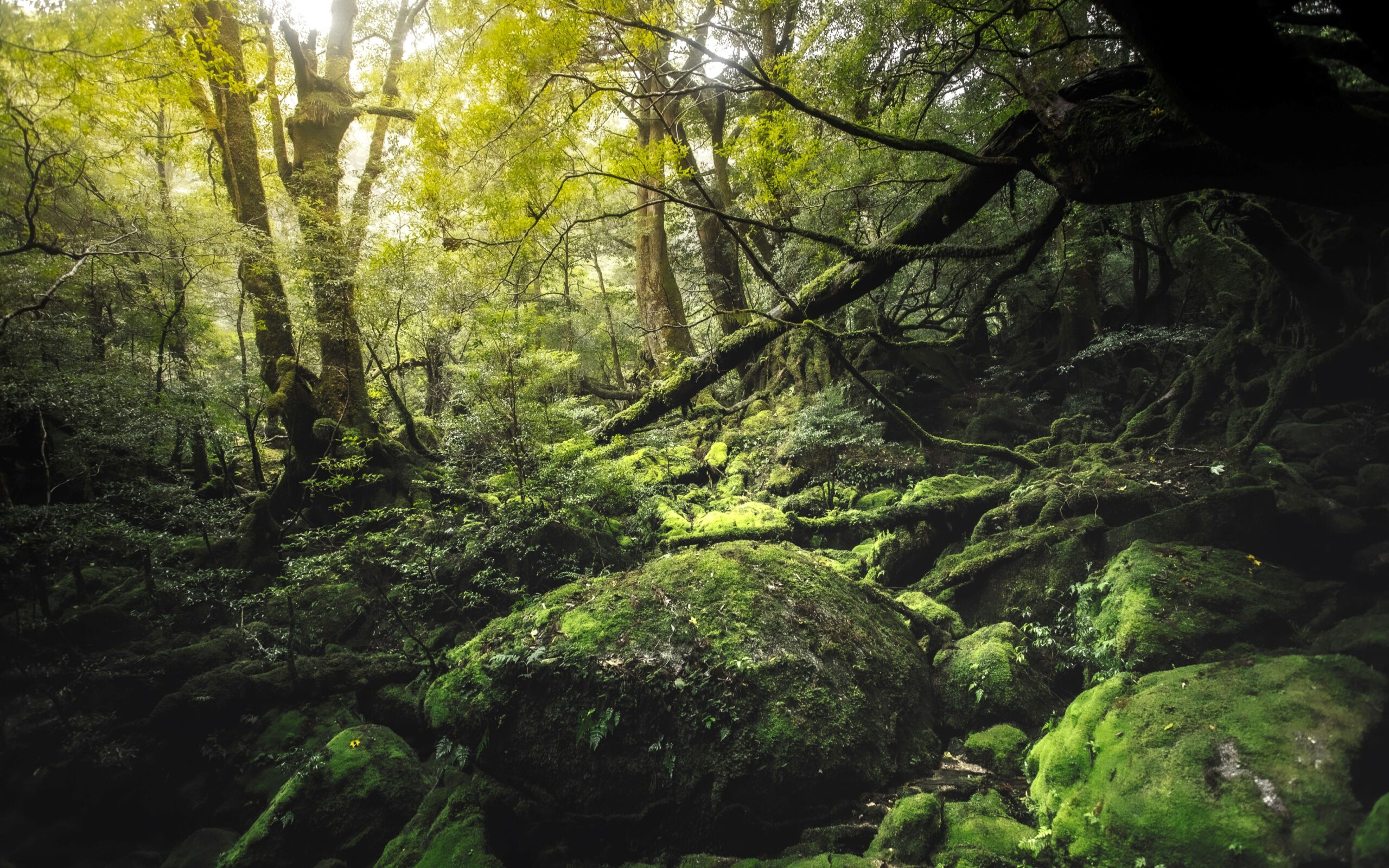
After visiting Japan’s cities, one of the country’s tropical trio would make the perfect Asian islands escape. With its white sand and turquoise waters, Miyako is Japan’s answer to the Maldives, with Ishigaki coming a close second, complemented by a relaxed Okinawan vibe and its position as the gateway to the Yaeyama Islands. Yakushima is all misty forests, ancient cedar trees, and moss-covered trails but gets more than its share of rain.
Read more: Eight of the world’s most magical distant islands
Koh Phra Thong is Thailand stripped back to silence and sand. There are no large resorts and no major roads, just long beaches, simple accommodation, and a sense of space. It won’t suit everyone, but for the right traveler, it offers something increasingly hard to find.
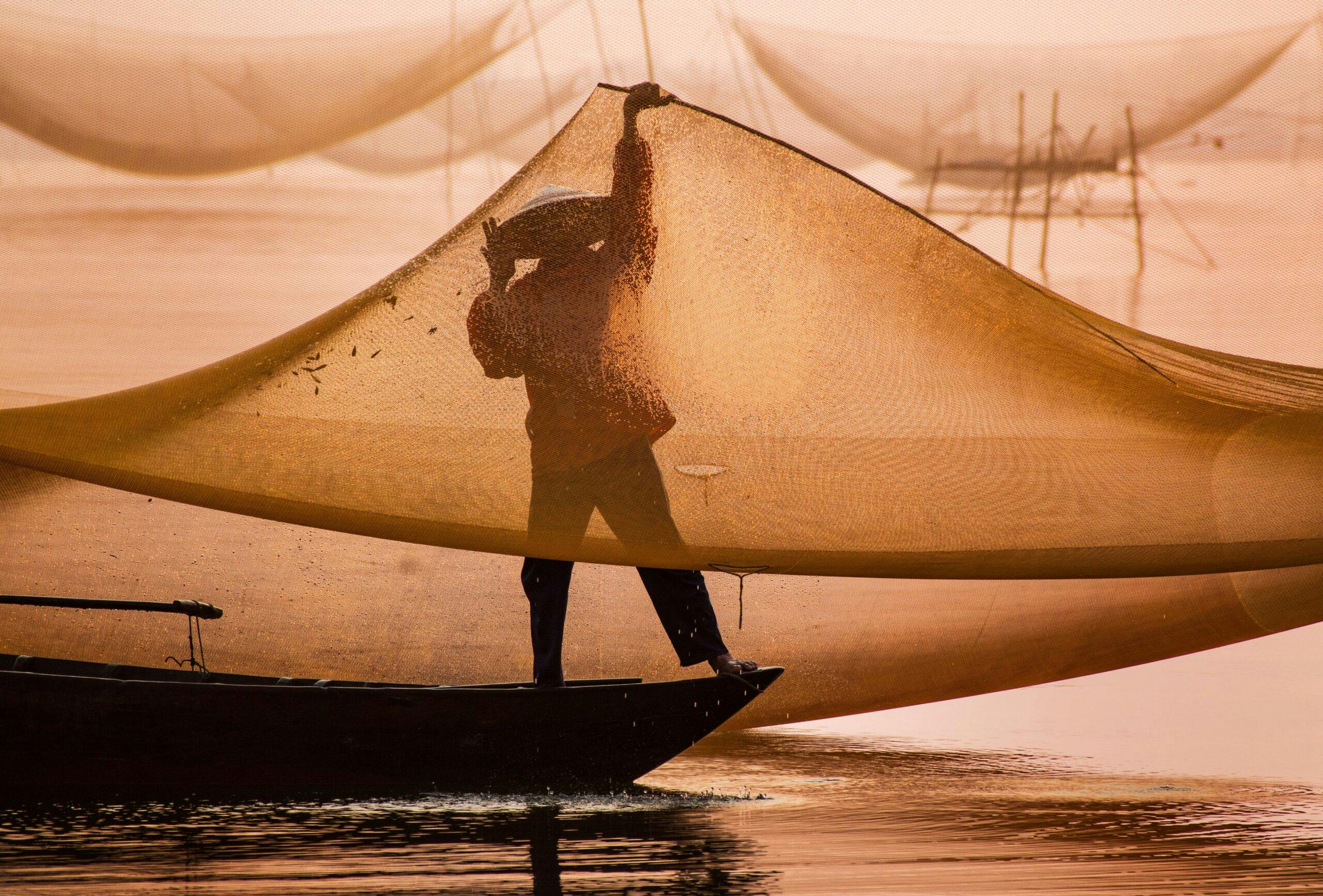
Cat Ba is often overlooked by tourists in favor of Ha Long Bay, but with similar scenery and a more relaxed feel, it’s one of the most underrated areas of Vietnam. You can hike the jungle trails, hit the beach, or go kayaking through Lan Ha Bay’s quieter waters, and even get a dose of nightlife in Cat Ba city on the island’s southern tip.
Often called the ‘Hawaii of the East,’ Hainan is China’s tropical playground and worth considering for a straightforward beach break at one of its luxury resorts. Inland, the island is dense rainforest, hot springs, and hints of indigenous Li culture.
Once a backpacker secret, Cambodia‘s Koh Rong is now evolving fast but remains a gorgeous find. Expect powdery beaches, turquoise water, and bioluminescent plankton at night. Koh Rong Samloem, its smaller sibling, is the quieter, more romantic choice.

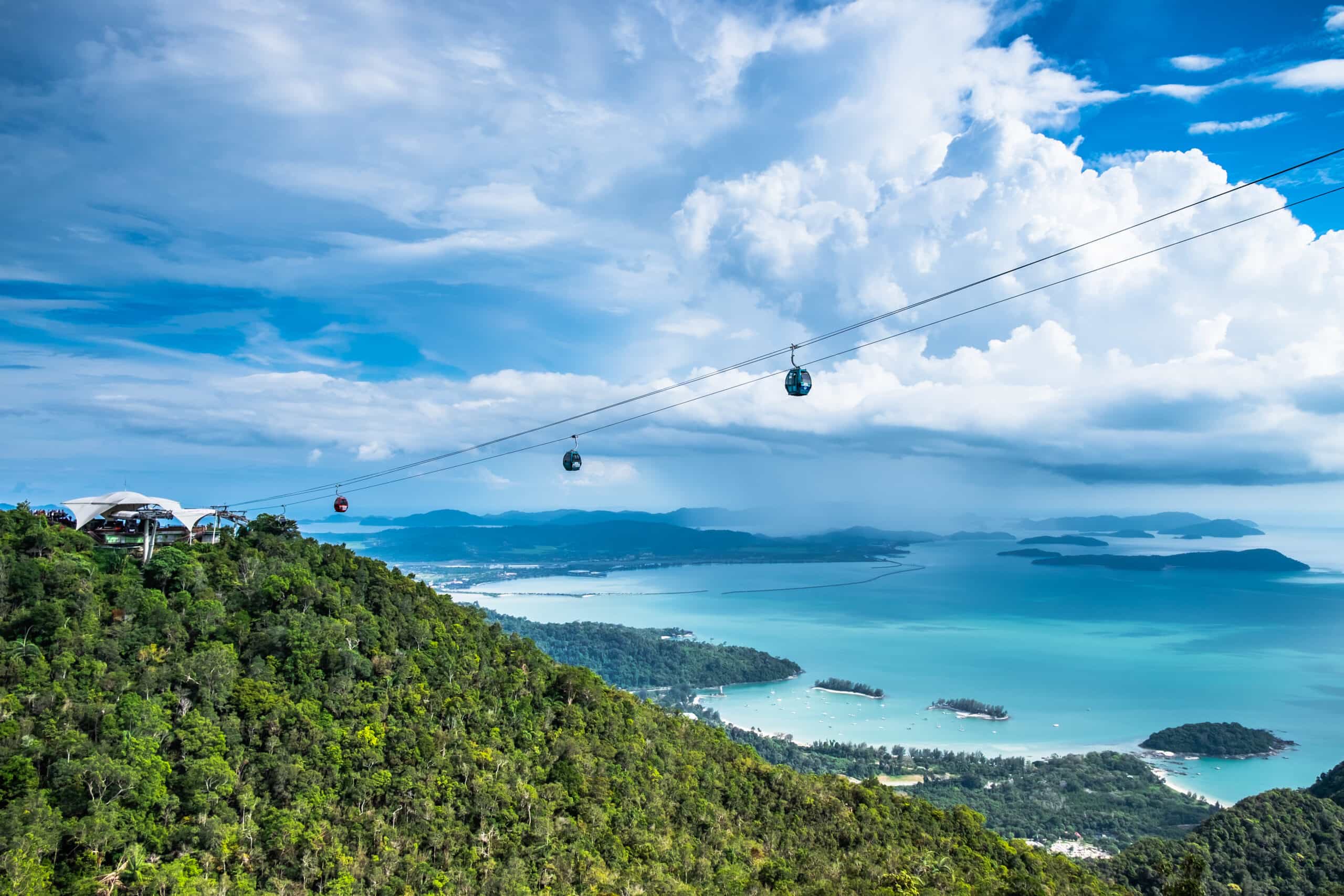
Read more: Getting to know Malaysia’s Langkawi Island
Fill your next trip to Asia with unforgettable island experiences: head over to our destination pages to get in touch with our locally-based travel experts, whose intimate knowledge of their home countries makes for very special, authentic tailor-made journeys.
Join our mailing list for travel inspiration, trip recommendations, and insights from our local experts.