
The most unique travel experiences in Madagascar
May 15, 2026
Greenland isn’t necessarily the first place most people think of when planning a vacation—but for those who enjoy extremes, cold-weather activities and a people and culture that are intrinsically in tune with the natural world, this ice-covered nation makes for the ultimate remote adventure. Get to know this otherworldly gem with our practical tips for visiting Greenland as a first-timer—by the end, you’ll be primed and ready to explore the untouched wonders of the Arctic Circle.
Let’s take a look at some of the highlights of visiting Greenland…
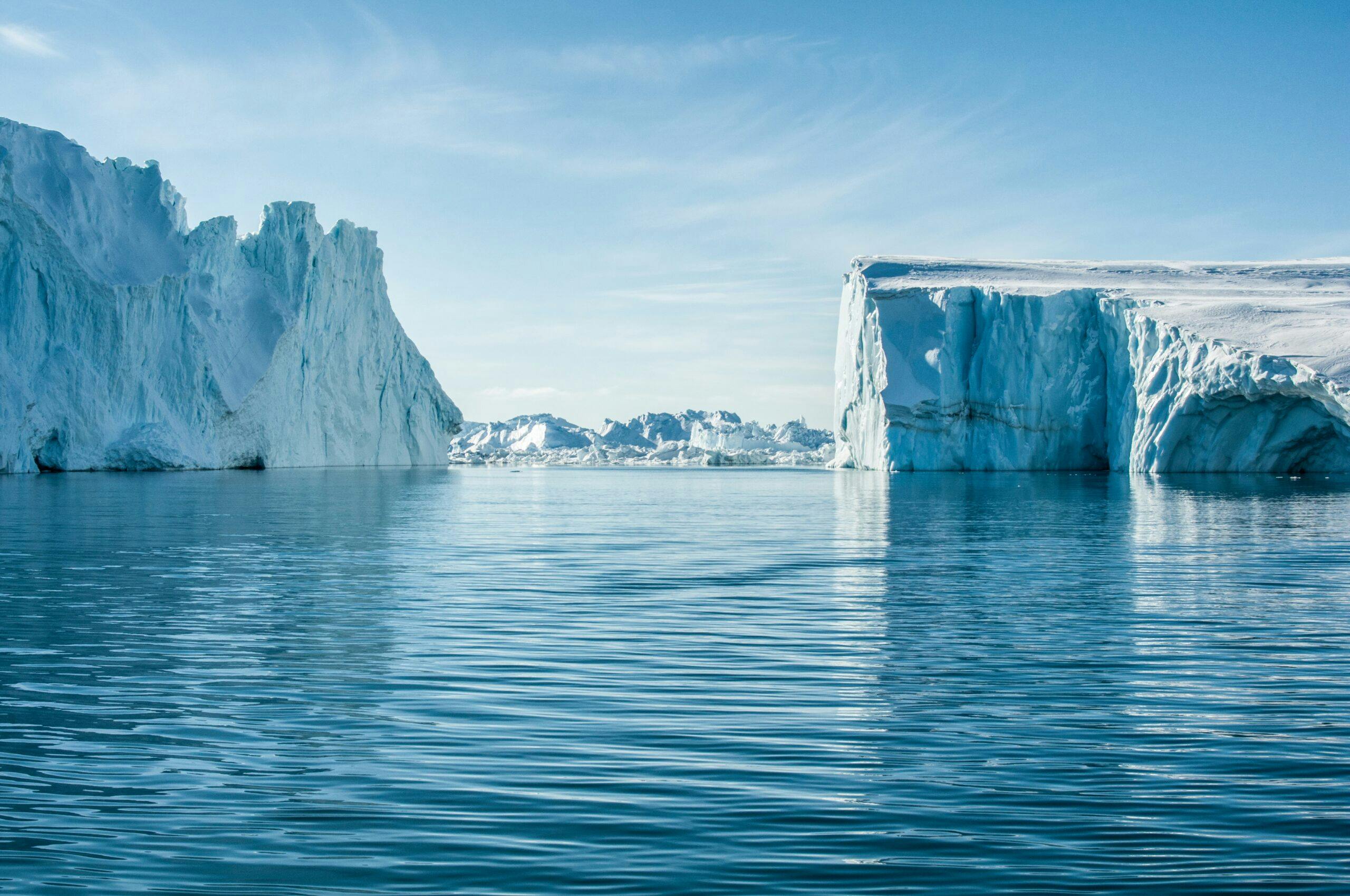
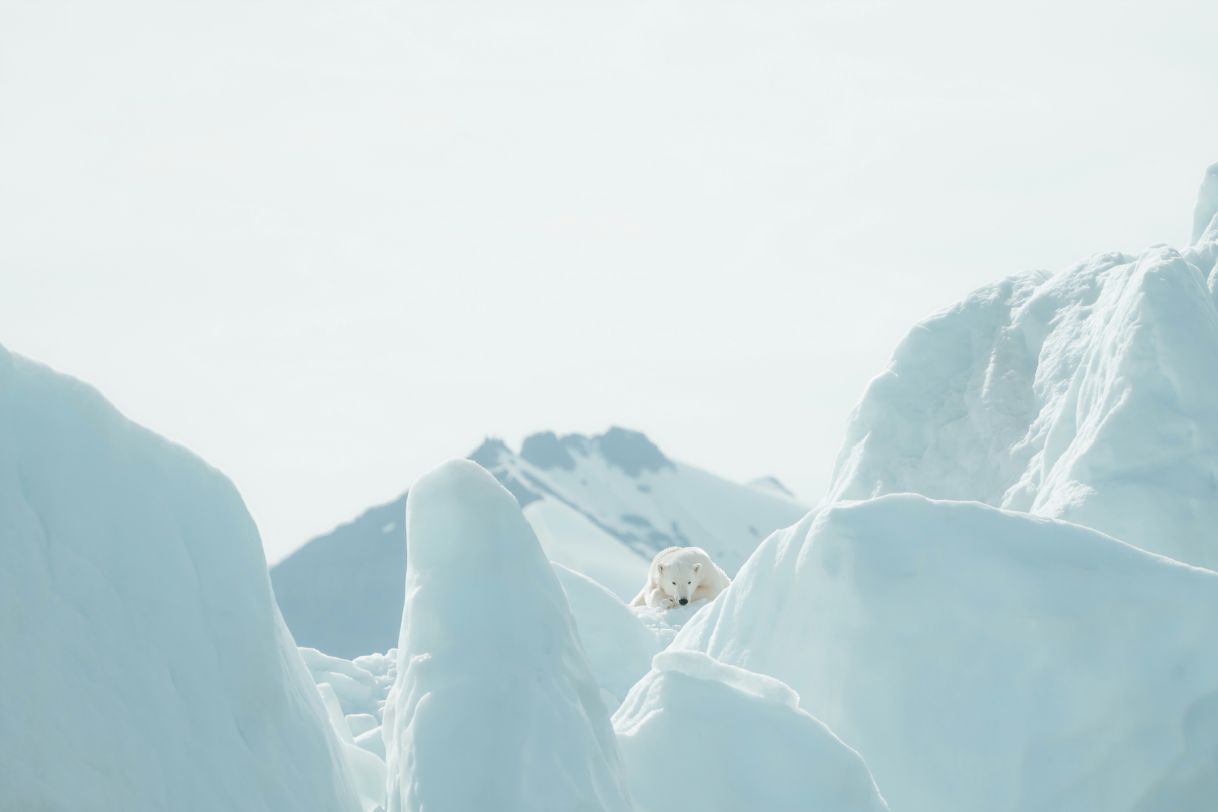
The small town of Ilulissat is at the top of most Greenland itineraries for its UNESCO-protected Iluslissat Icefjord, which, whether viewed from water or land, is jaw-dropping in its vastness and beauty. The Icefjord is scattered with jagged mountains of ice, creating a simply stunning arctic landscape.
The fjord contains the mammoth Ilulissat Glacier (also called the Jakobshavn Glacier) which produces around 10% of all Greenland’s icebergs. Some 35 billion tons of icebergs calve off and pass out of the fjord every year, many of which are up to a mile high—so they tend to get ‘stuck’ in the shallows—growling slowly along the mirror-like water for years before breaking up.
Boat tours around this incredibly serene are usually a trip highlight; or you can view from the Ilulissat Boardwalk, finishing with a coffee and cake in the conceptually-designed Icefjord Center.
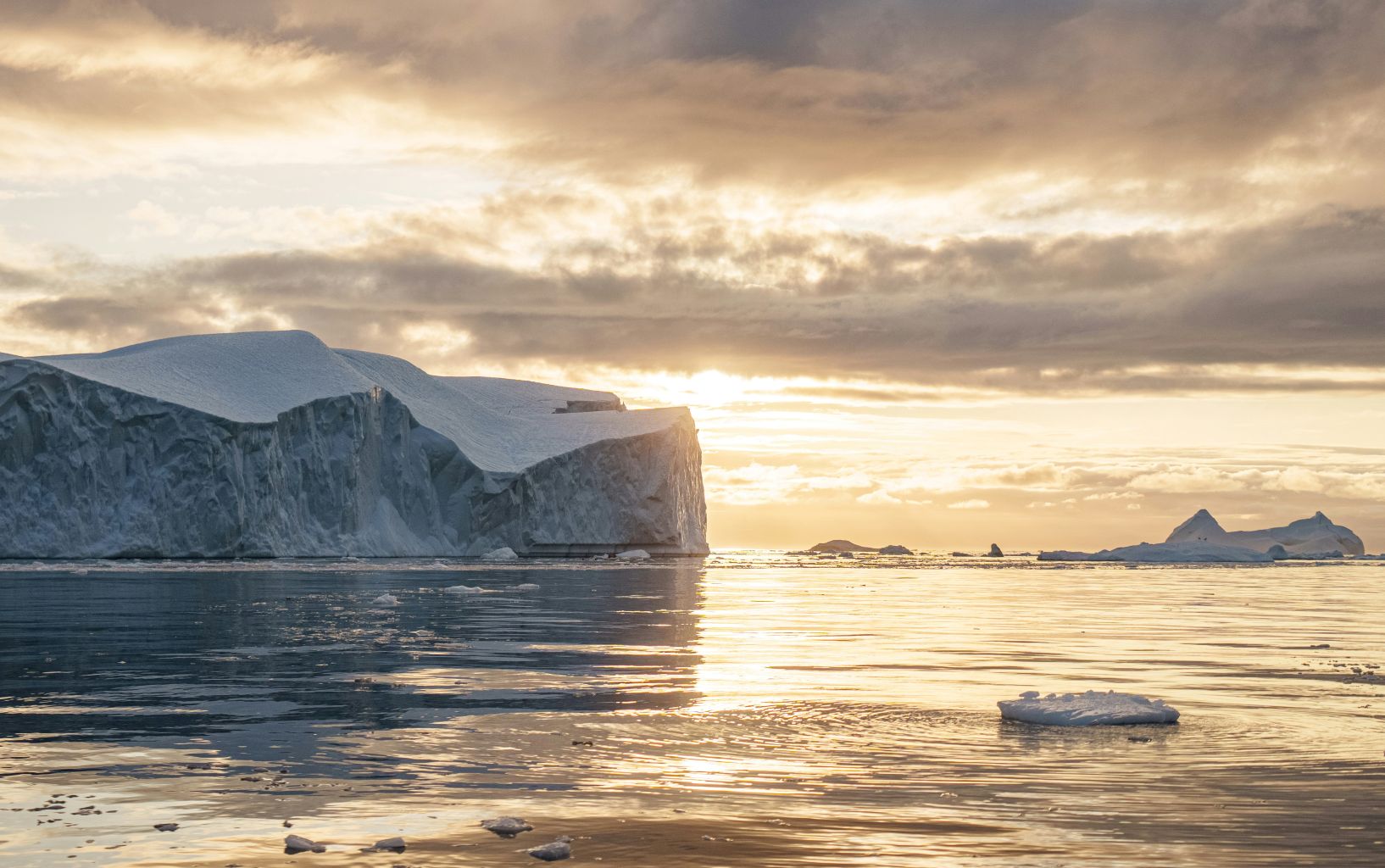
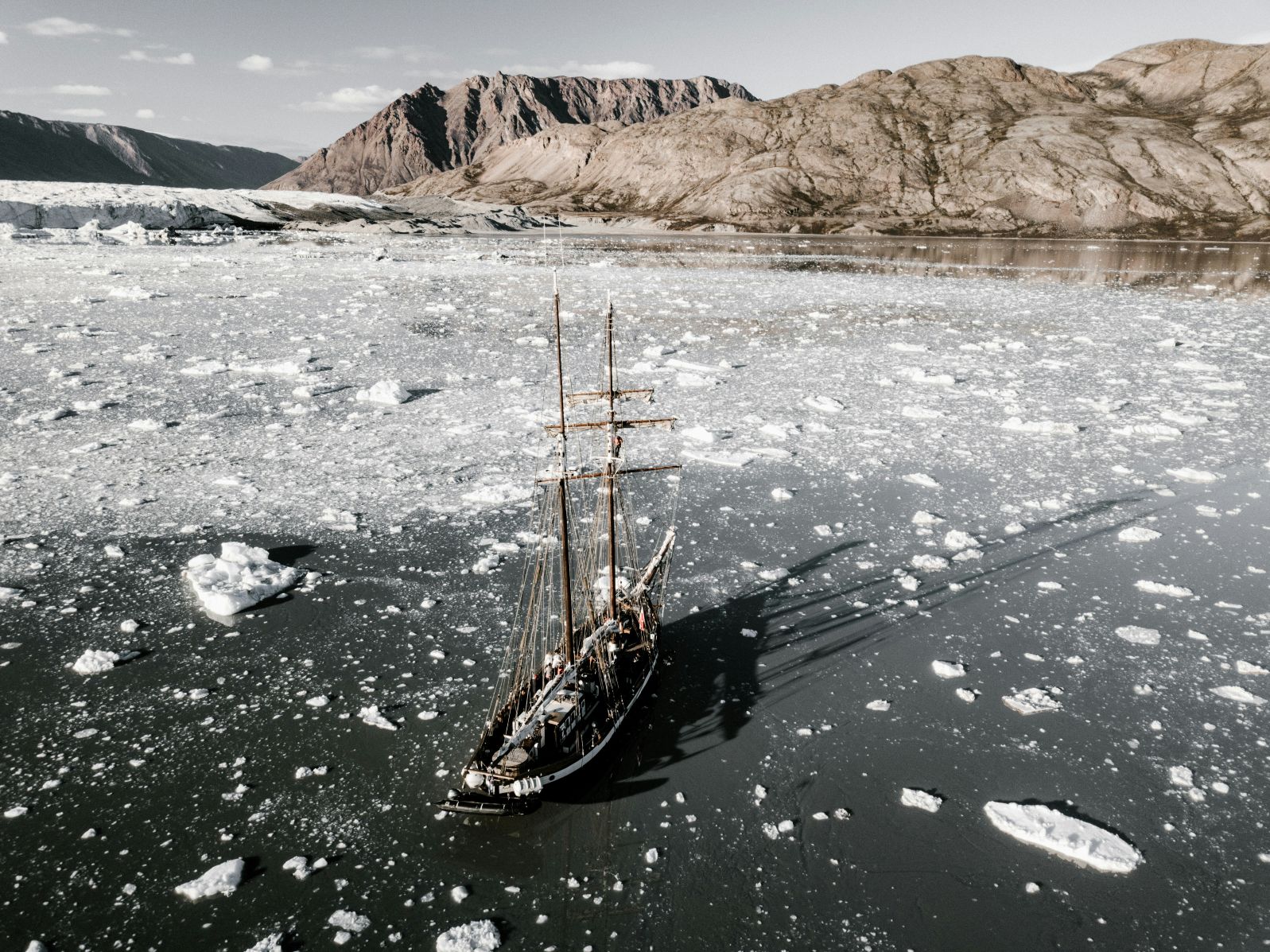
At the west end of Illusiat Icefjord is Disko Bay, also called Eqip Sermia. The bay is covered in icebergs, calved from a giant glacier that is essentially a wall of ice, a natural marvel that is incredible to behold. Boat trips are the best way to see it, though they don’t get too close due to the frequency of ice dropping from the glacier into the water.
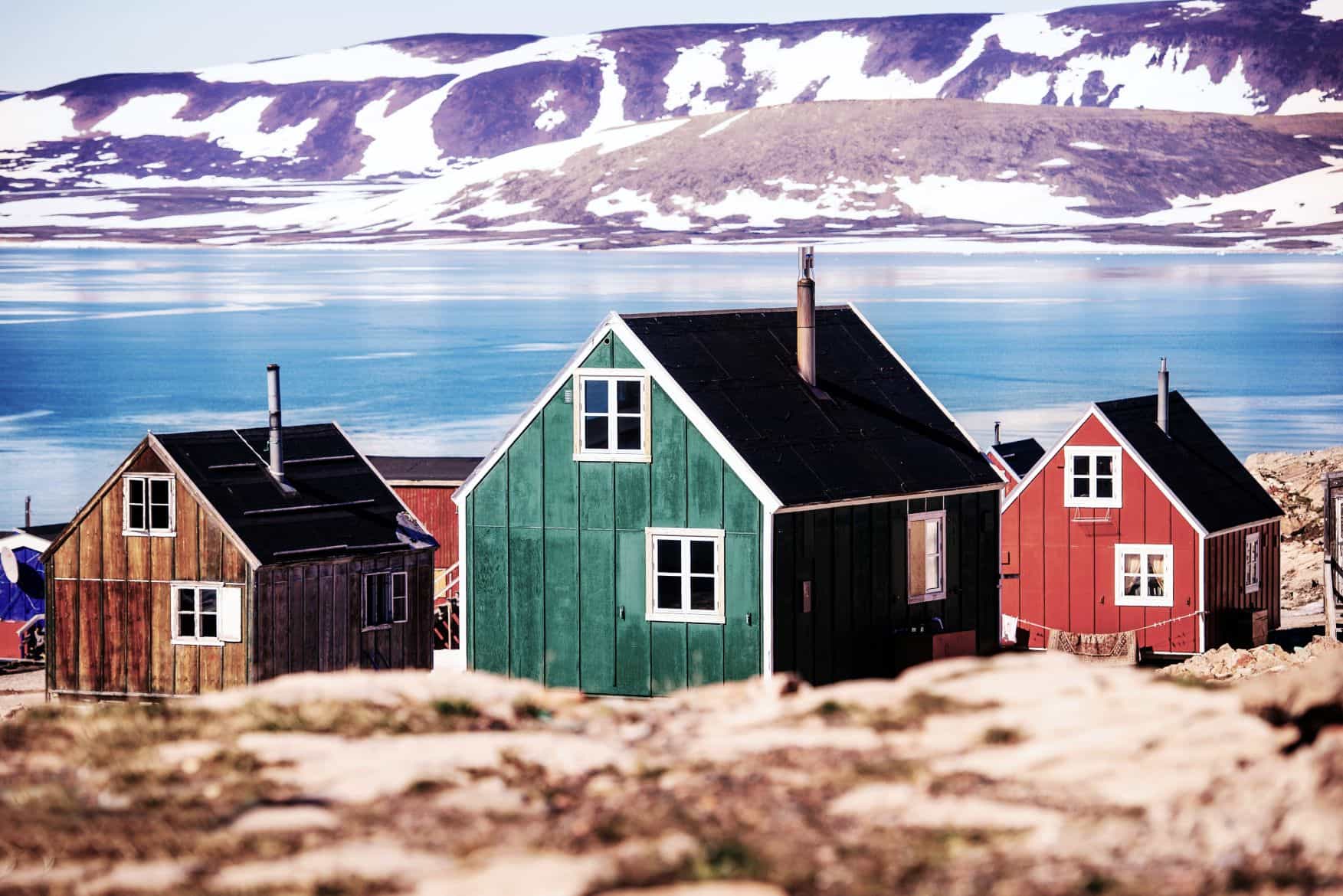
Situated on Disko Island just off the bay, the town of Qeqertarsuaq is charming—with multicolored wooden houses, quirky museums, churches, and numerous points to go whale-watching.
Though the capital of Greenland, with only 20,000 inhabitants Nuuk is the size of a small town from most perspectives. That said, there is a lot to do in this picturesque harborside capital, and it’s an accessible and fun day trip.
It’s the best place in the country to learn about Greenland’s compelling ancient history (man has lived here for over 2,500 years), the National Museum and Archives being an excellent starting point to learn about Greenland heritage and the Inuit culture.
Also worth visiting are the historic harbor, an art museum full of work by local artists, wonderful souvenir shops, and some intriguing art installations dotted around the city.
If you’re heading out on a glacier-hiking expedition on the Greenland Ice Sheet, Kangerlussuaq is your starting point. As you stand on the Ice Cap itself, it’s almost incomprehensible to imagine the size of this monumental slab of ice, which makes up 80% of Greenland’s landmass—it covers 1.7 million sq km and at some points is an incredible 3km thick. Hiking, glacier-climbing or snowmobiling here is a surreal experience, with a peacefulness in the air that’s incomparable.
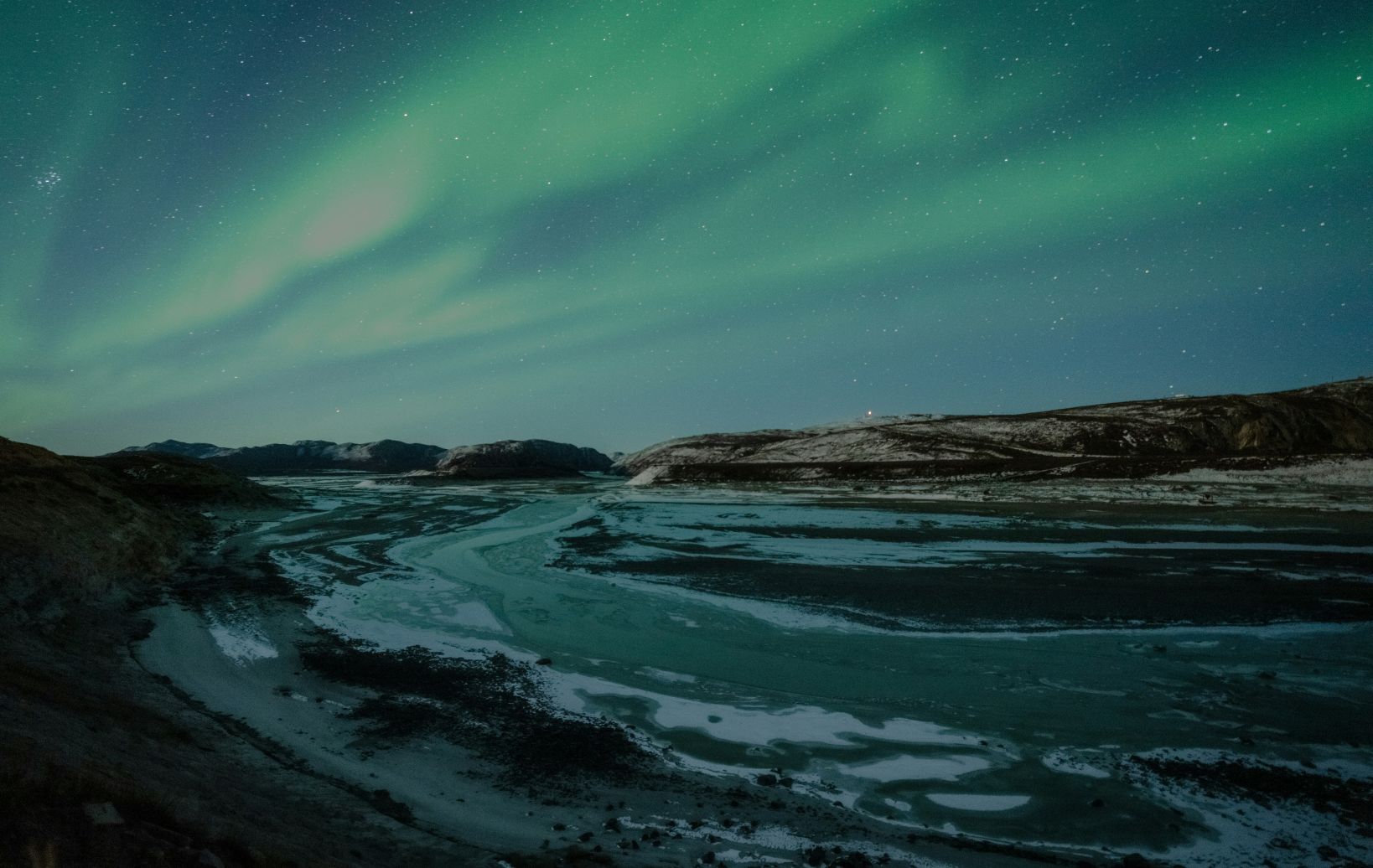
The second-largest city of Greenland has a mere 6,000 inhabitants—but people have lived here for over 4,500 years. Sisimiut is a pleasant town with a ton of history, where the classic multicolored houses dot the landscape and you can watch fishermen at work.
But it’s the location that makes it a key access point for some breathtaking Arctic Circle experiences: husky-pulled sleds, guided hikes to extreme vantage points, mountaineering, or even kayaking and boating.
Uummannaq sits on a heart-shaped island framed by a steep mountain, giving it a dramatic natural backdrop. As with many Greenlandic towns, fishing forms the backbone of daily life here, and you’ll see locals hauling nets, maintaining boats or training sled dogs all through the year.
It’s an excellent place to observe traditional ways of life in the Arctic, wherever you wander—artisanal makers carve, weave and sew in the main part of town, and there’s a museum to learn more about the history of Inuit life. Reindeers, seabirds, and seals also exist on the peripheries, for impromptu wildlife viewing.
If Greenland main wasn’t remote enough for you, there’s always East Greenland. This is where few tourists venture, settlements are small and spread out, and activities are challenging but rewarding.
Tasiilaq is the main hub to join guided trips, where you can explore ice-choked waterways by boat (these are some of the biggest fjord systems in the world), hike to extreme points with few others doing the same, and just enjoy the quietness and solitude of this wild, isolated wilderness. This will feel like a true Arctic expedition—Greenland at its most raw and real.
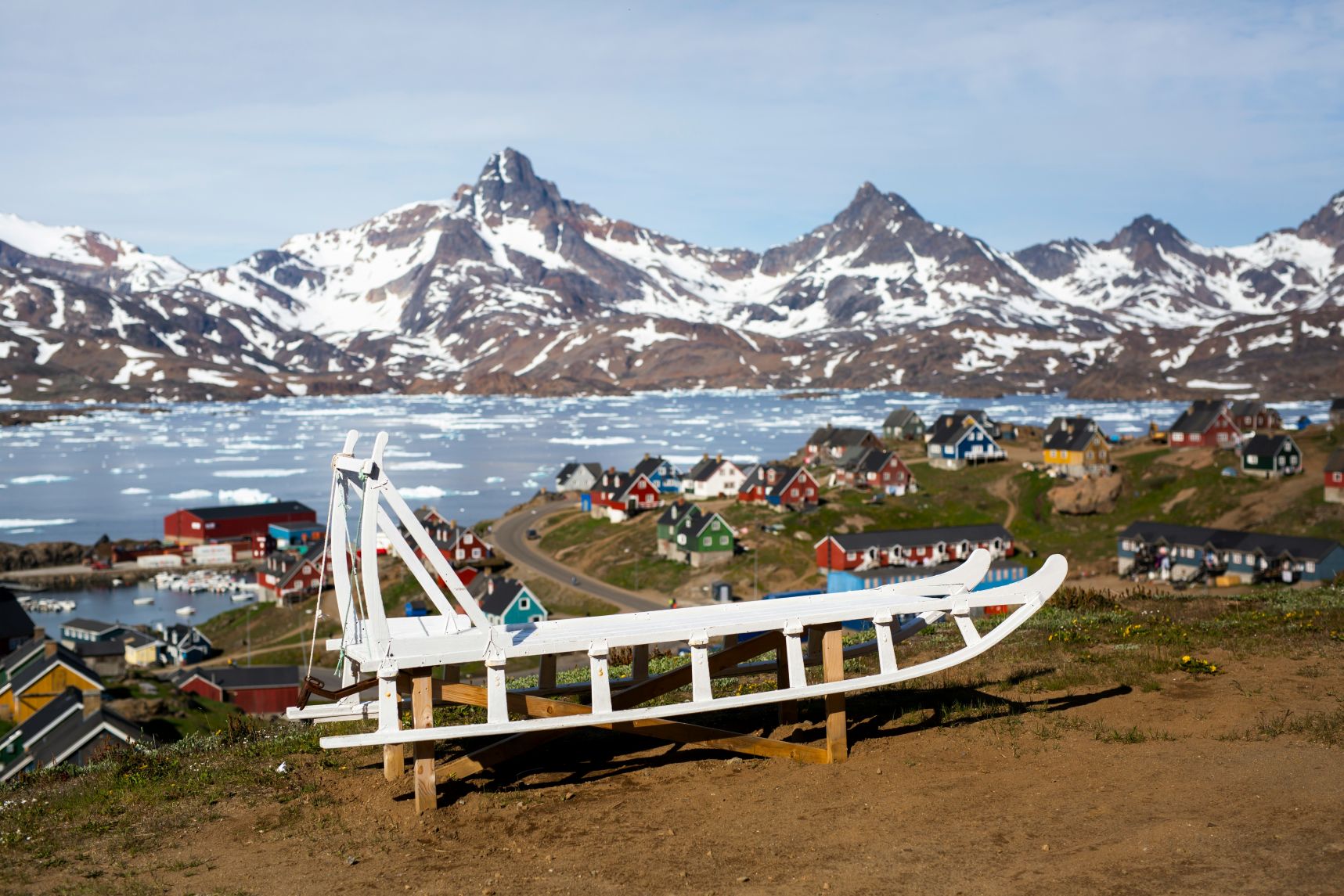
Greenland is a place where adventure is always on your doorstep, and you can’t escape the sense of ancient humans surviving in the wild. You can kayak across peaceful fjords and Arctic waters, hike across vast glaciers, be pulled along on a sled by a pack of huskies, or look out for the stunning northern lights—all while learning from local guides who will share insights on the landscape, glacial changes and local ecology.
Wildlife viewing is otherworldly here; breaching whales, musk oxen, reindeer, packs of seals and countless seabirds can be seen on guided tours, where the scenery is rugged and jaw-dropping. The community truly respects their local flora and fauna, and you’ll be inspired by their beliefs to honor their ecosystems in order to survive.
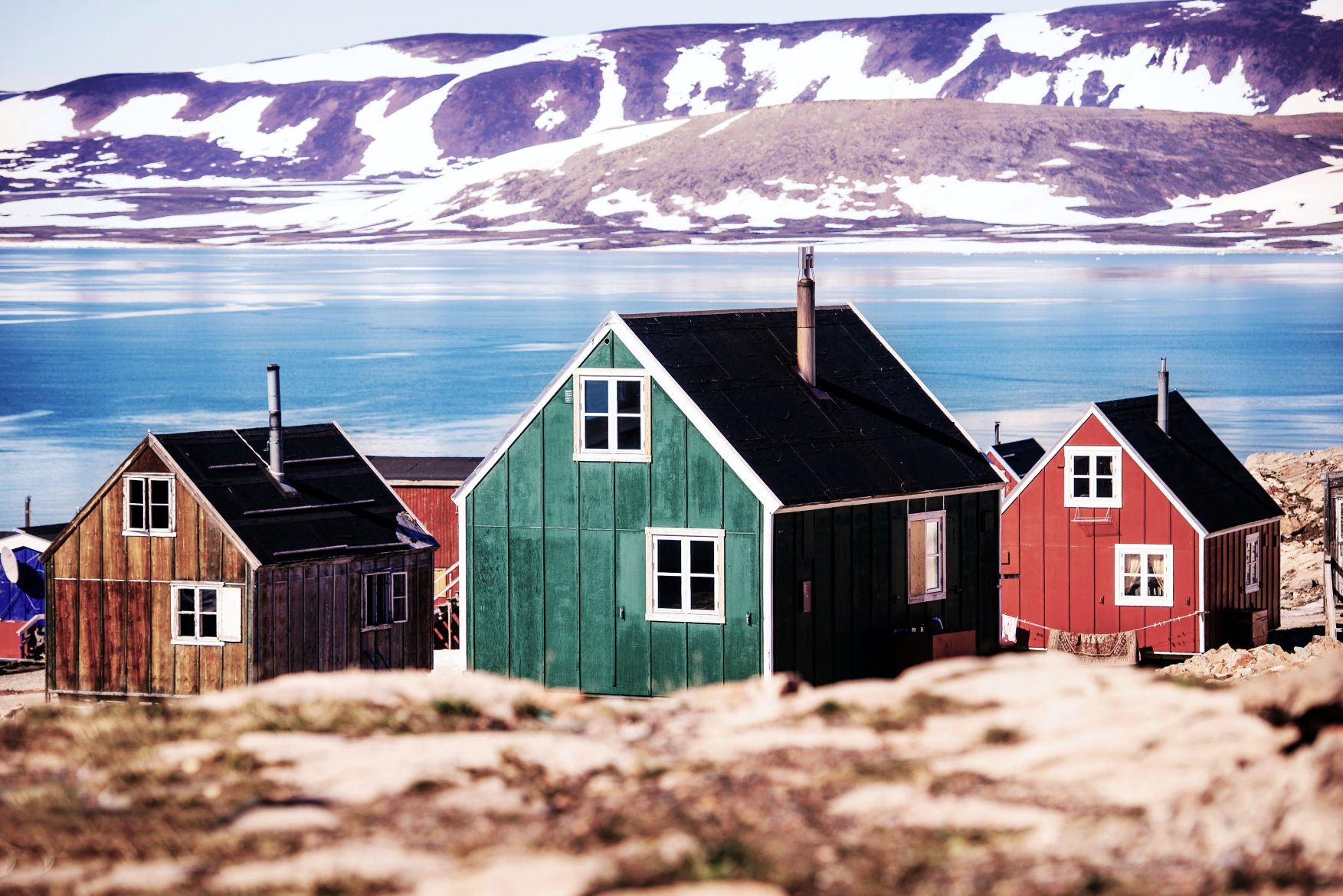
The human side of Greenland is equally memorable. Visits to towns like Uummannaq or remote East Greenland communities will allow you to appreciate indigenous Inuit life and its traditions.
You can witness locals making clothing from reindeer or sheepskin, carving small figurines from bone or soapstone, and preparing traditional Greenlandic dishes such as Arctic char, mattak (whale skin), or reindeer meat. In Inuit homes, you can take part in a kaffemik ritual where locals will invite you in for chat, coffee and pastries. Overall, Greenland is a place like no other, and you’ll never forget your experiences here.
Finally, here are important things to consider before planning a Greenland vacation…
Greenland is safe in many ways, but of course, its remoteness and extreme climate requires planning:
The best time to visit Greenland depends on what you envision for your Arctic experience, and as the country is huge, conditions vary depending on where you visit. In the north, the midnight sun is summertime’s main draw (when the sun is up from roughly May to July) while polar night captivates travelers in the winter (the sun sets from November through to January).
You’ll need a good amount of time to truly experience what’s on offer in Greenland. Though 5-7 days is fine for a short Ilulissat expedition or trip to West Greenland, two weeks or more will give you the space to allow for unexpected conditions, multi-day Inuit-guided excursions, and long travel days.
Warm thermal layers and waterproof outer layers should make up the bulk of your suitcase, as well as comfortable, waterproof shoes or boots. You’ll need cold-weather items like gloves, hat, scarf and thick socks (more pairs than you think you’ll need), as well as sunglasses, sunscreen and lip protection for potential sun reflecting off the snow and ice. Swimwear will be useful for hot tubs or thermal pools, but a lot of snow equipment like skis or crampons should be available for rent from your tour operators.
To start planning the Arctic adventure of a lifetime, get in touch with our local travel experts. They’re based on the ground in Greenland, with the local knowledge you need to start building the perfect trip.
Explore all featured destinations
Join our mailing list for travel inspiration, trip recommendations, and insights from our local experts.