
A beginner’s guide to Sardinia
May 28, 2026
Split between the nations of Malaysia, Brunei, and Indonesia, Borneo stands out as one of the most fascinating destinations in all the Pacific. Unlike some countries or regions that get called “tropical gems,” the island truly lives up to that sobriquet. The singular nature of Borneo may make it almost intimidating to approach as a vacation centerpiece. Where to go and what to do? To that end, we’ve put together a list of things to do in Borneo that includes remarkable locales and activities — many in Malaysia, but not all.
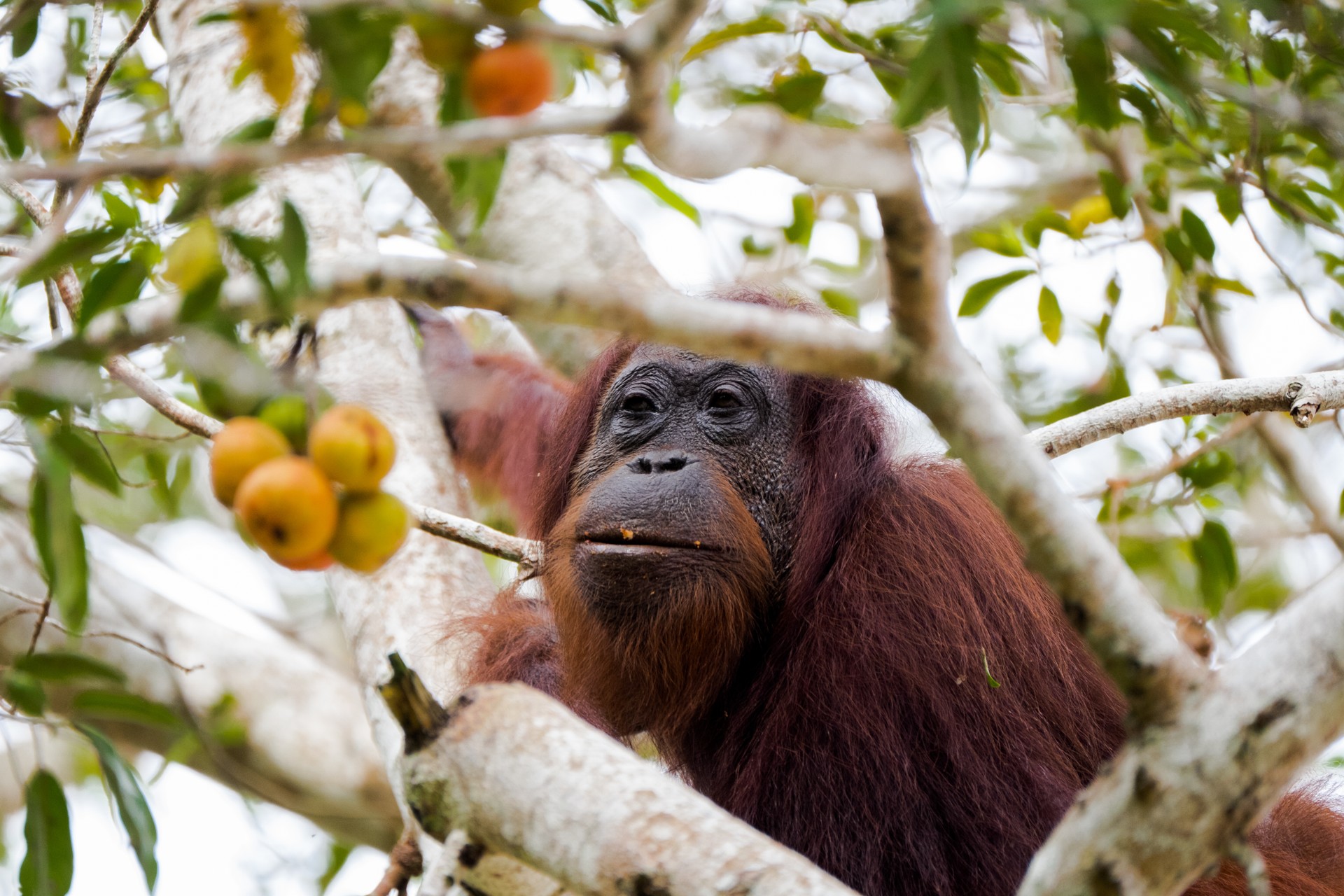
The Sepilok Rehabilitation Center, in Malaysia’s Kabili-Sepilok Forest Reserve, is a must-visit for any animal aficionado. The facility’s staff work heroically to protect the extremely endangered Borneo orangutan.
Because of how carefully protected these great apes are, you can only directly observe them in nursery areas or (if lucky) spot them in the forests lining public trails. The largest crowds come in the mornings, so it’s more responsible to visit later in the day.
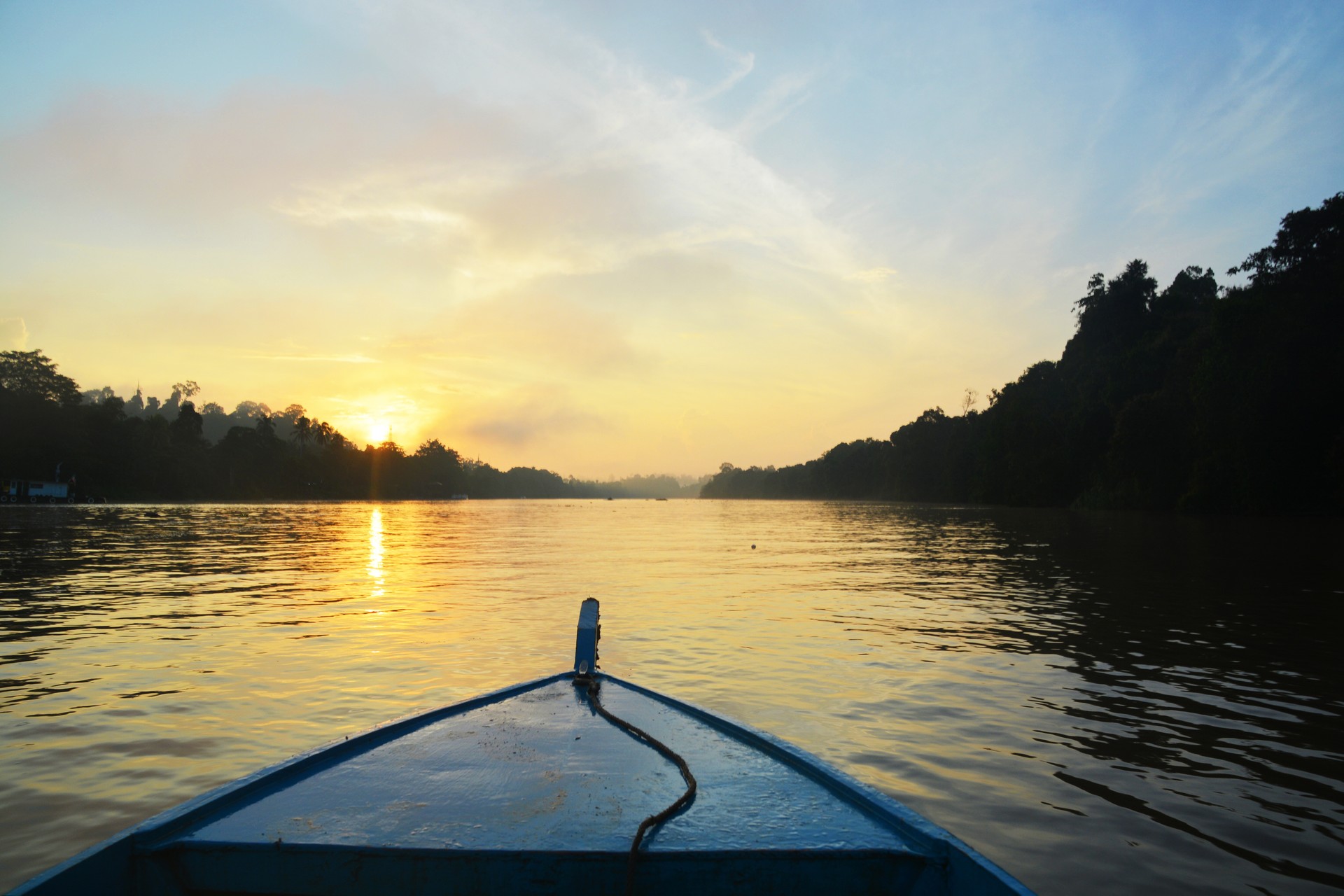
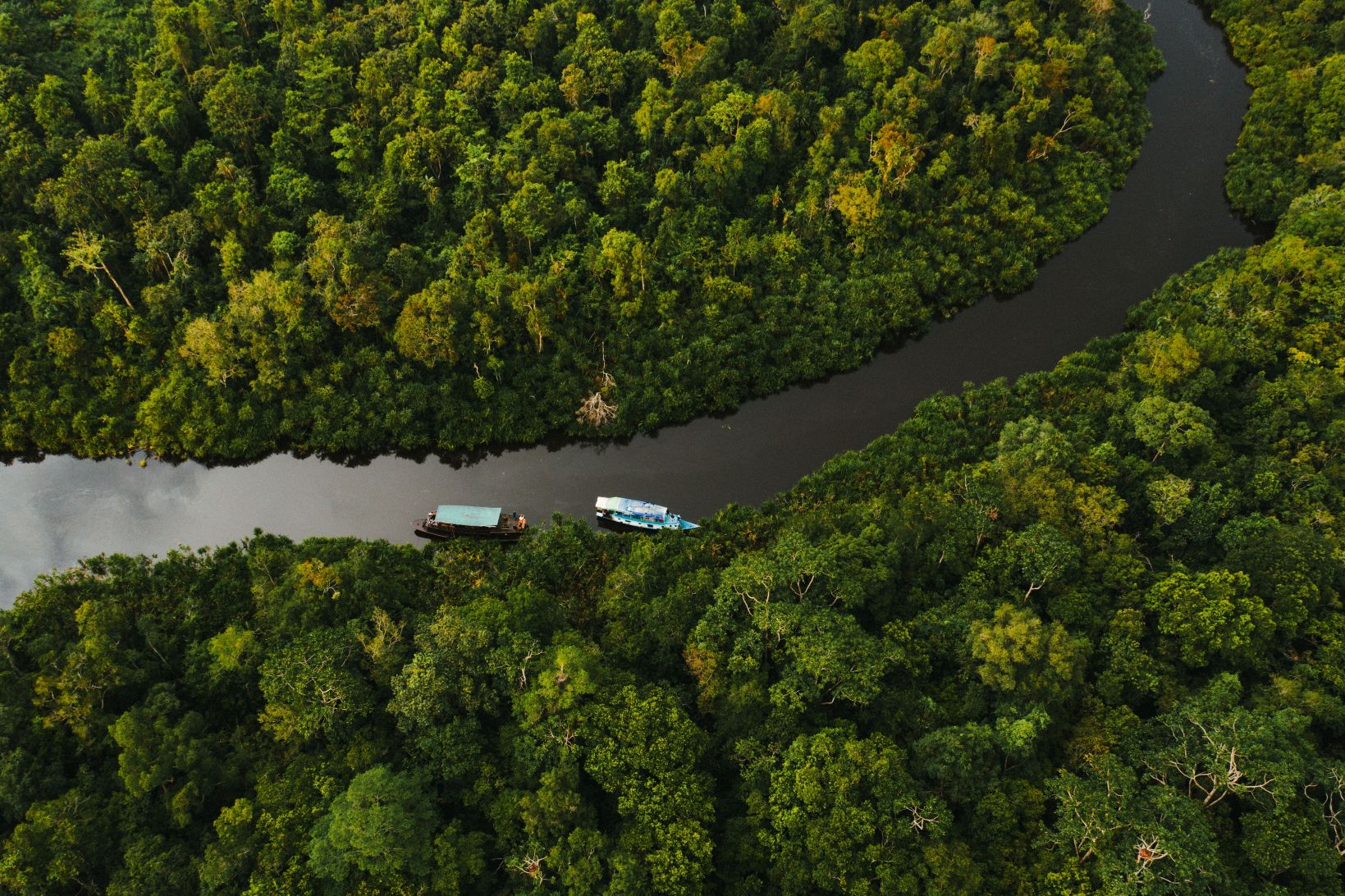
Move a bit to the east in Malaysia to find the Kinabatangan River. In addition to being the country’s second-longest river (350 miles; just narrowly behind the Rajang’s 351), it’s one of Borneo’s most lush, wildlife-rich areas.
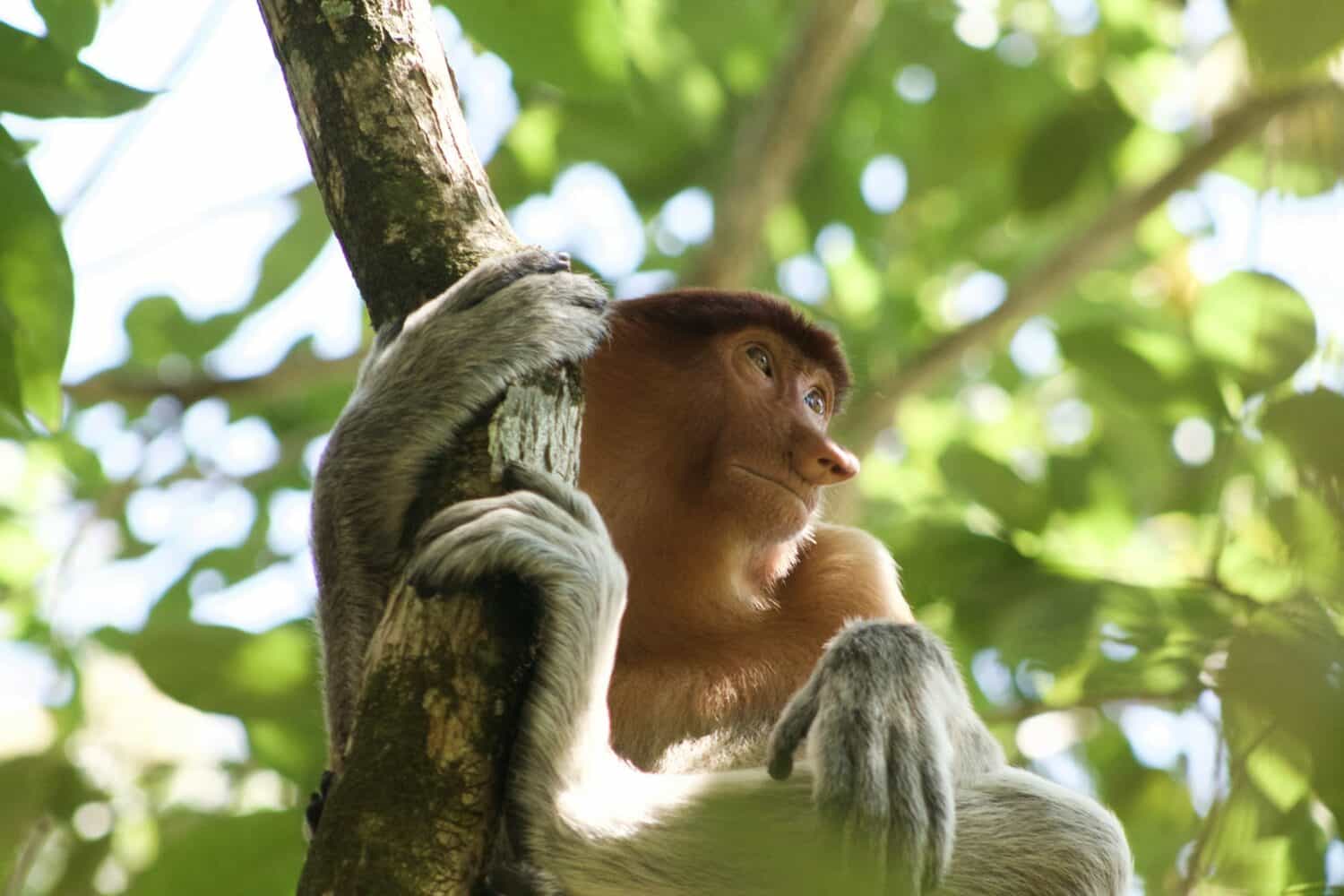
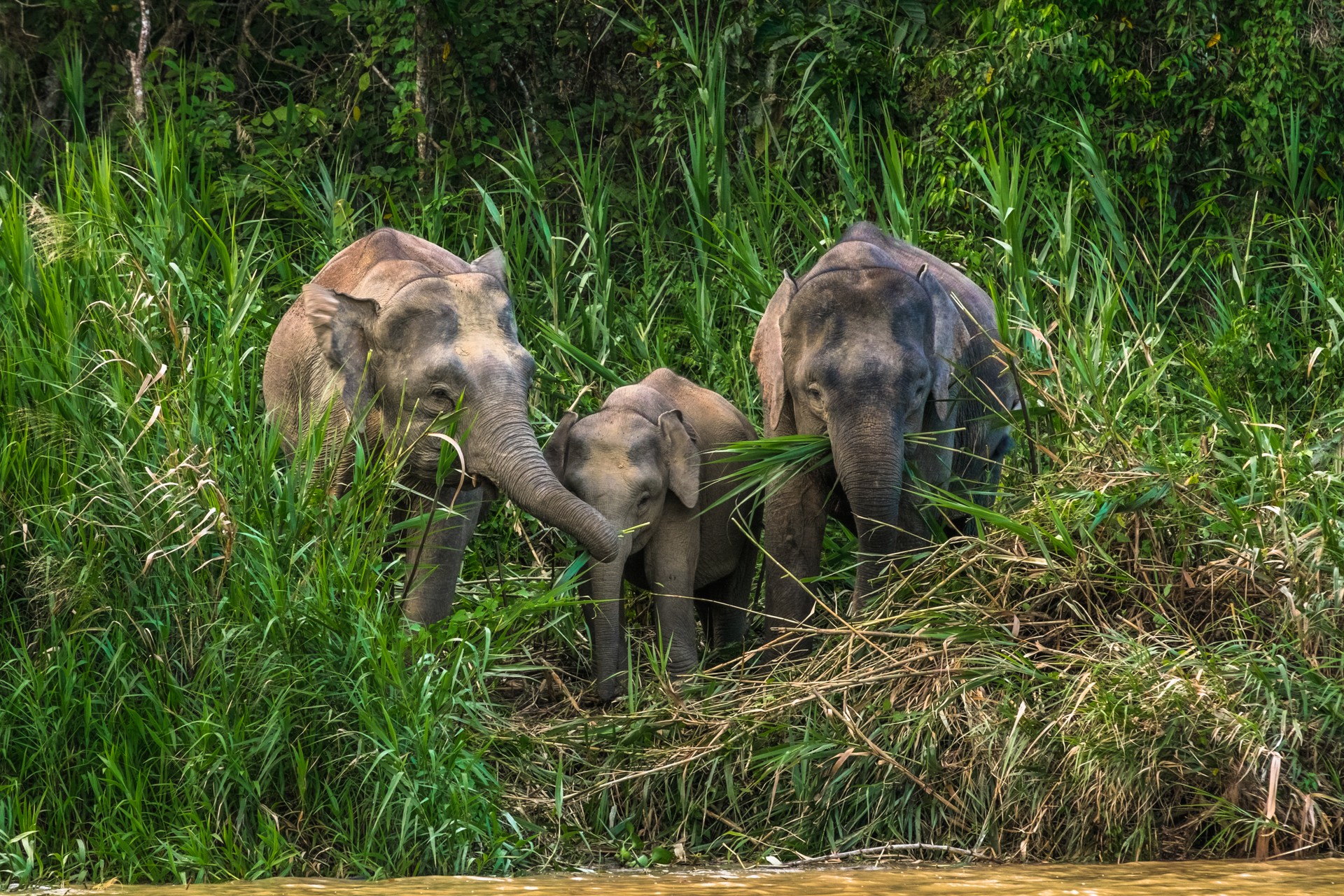
The Lower Kinabatangan Reserve stands out as one of the region’s most beautiful areas, with palm, bamboo, and mangrove trees on either side of the slow-running river. Rare, often endemic animals fill these forests, many with striking features or behaviors noted in their names — pig-tailed macaques, proboscis monkeys, slow lorises, Sunda clouded leopards, etc. There’s also a thriving crocodile habitat, hornbill species by the dozens, and last but far from least, Borneo elephants.
Off the Sabah coast sits the island of Sipadan, surrounded by deep royal-blue waters that contain rare sharks, turtles, barracudas, parrotfish, and many other species. But the limestone caves further down, with their imposing walls, are perhaps an even bigger attraction for the many scuba divers who come here. Permits and proper certification are required to dive, and Malaysian authorities have been known to shut down diving temporarily in the interest of conservation.
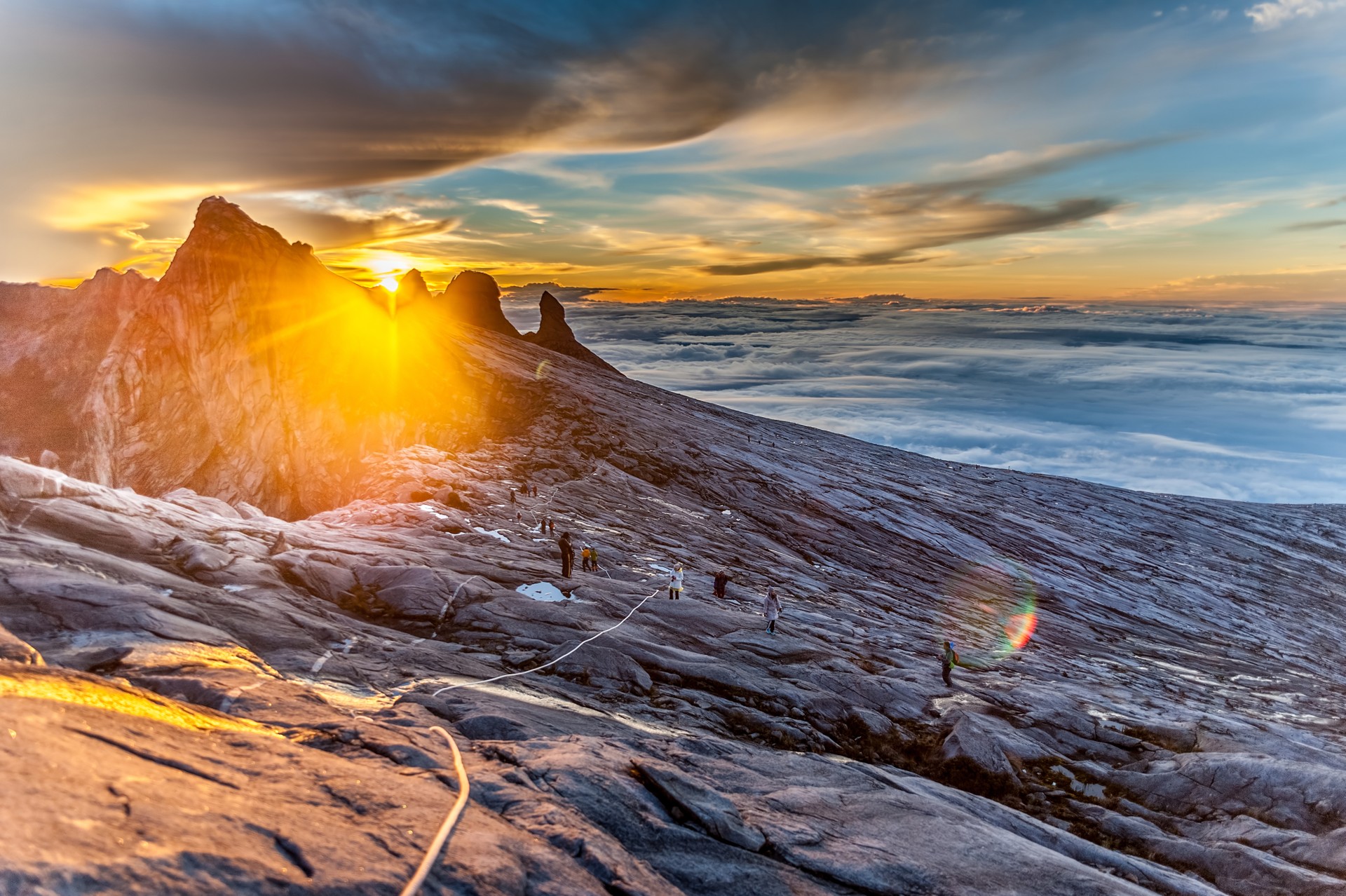
This austere Malaysian mountain, in Sabah, features extremely diverse plant life — perhaps up to 6,000 species. Canopied montane and alpine forests loom above a large number of endemic plants, including over 850 orchids and 600-plus ferns.
Adventurous travelers, meanwhile, will thrill at the chance to climb Kinabalu. Local park authorities only allow small parties with expert guides, but the view of Sabah at the top is worth the trip to Kinabalu for those with climbing experience (and patience for a two-day climb).
Read more: Seven of the best places to visit in Borneo
Back on land in Sarawak, Gunung Mulu National Park’s geographical features are world-renowned. Whiterock and Clearwater Caves form a 200-plus-mile system, while Deer Cave is the world’s second-largest cave passage by sheer height (645 ft, with cascading waterfalls over 400 ft high).
The external highlights of Gunung Mulu also impress. Mount Api, for example, features jagged limestone pinnacles that look like something out of science fiction. And you’ll find other escarpments, karst towers (formations of dissolute dolomite and limestone), gorges, and waterfalls virtually anywhere you step in the park.
At the opposite (western) end of Sarawak from Gunung Mulu, Bako National Park is Malaysia’s oldest natural sanctuary. It stands out for its geographical diversity, which packs rainforest, jungle, rugged trails, some of Borneo’s best beaches, and more into its 10.53 square miles.
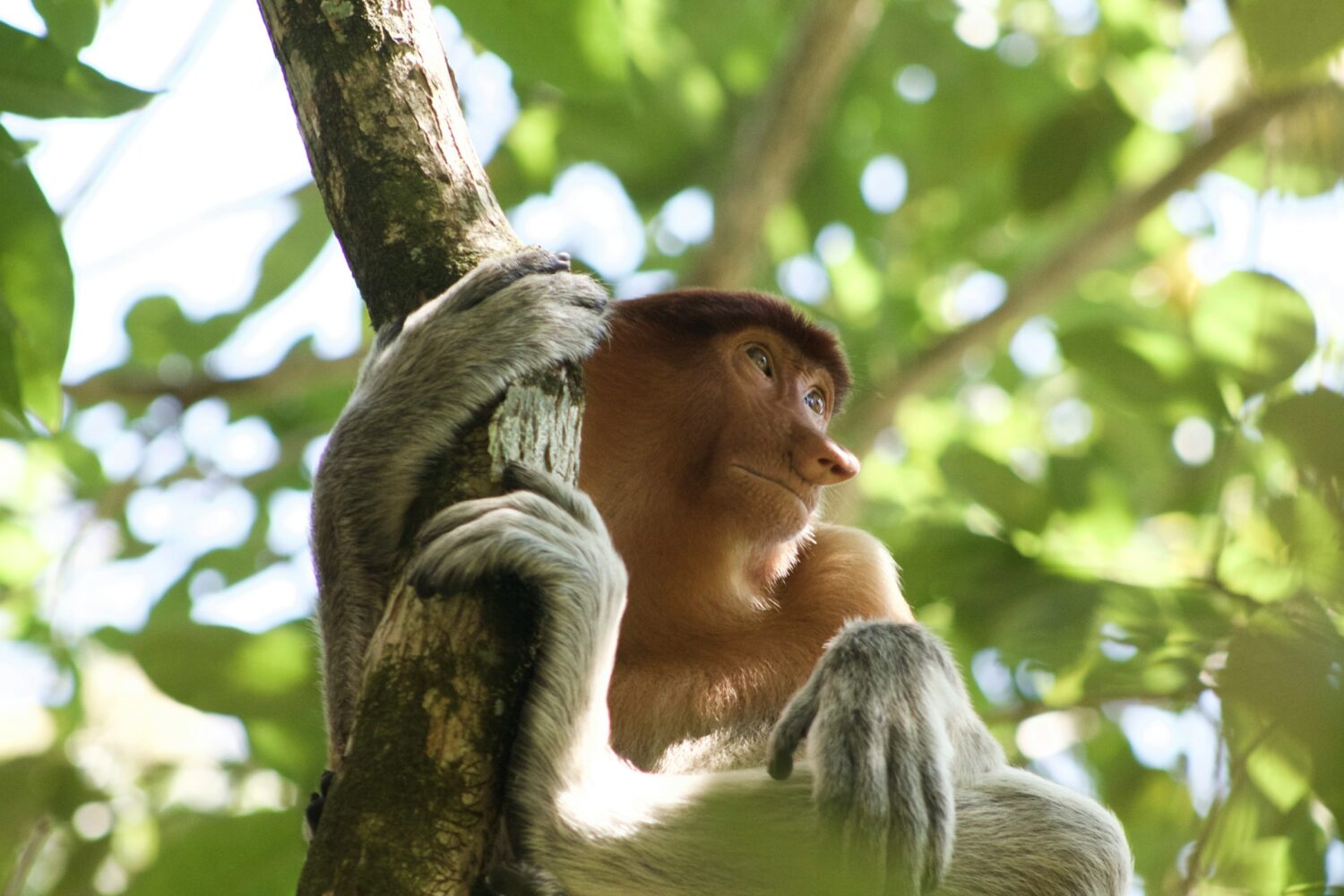
Multiple biomes mean widely varying flora and fauna. As such, you’ll see everything from mangrove forests, hardy cliffside vegetation and padang (scrubby grasslands), to even large clusters of carnivorous plants. Rare animals to observe include proboscis monkeys, monitor lizards, Bornean bearded pigs, long-tailed macaques, and 150-plus bird species.
In areas of Sarawak inhabited by the Indigenous Iban, Bidayuh, and Orang Ulu societies, you’ll often see distinct, stilt-mounted longhouses along the riverbanks.
These offer the opportunity to immerse yourself in Malaysian native traditions and contemporary life: you’re just as likely to find people with modern amenities as you are traditional hunting tribes. If possible, take the opportunity to learn about bamboo cooking, a slow-roasting technique that uses bamboo stalks as cookpots for rich meat, rice, and vegetable dishes.
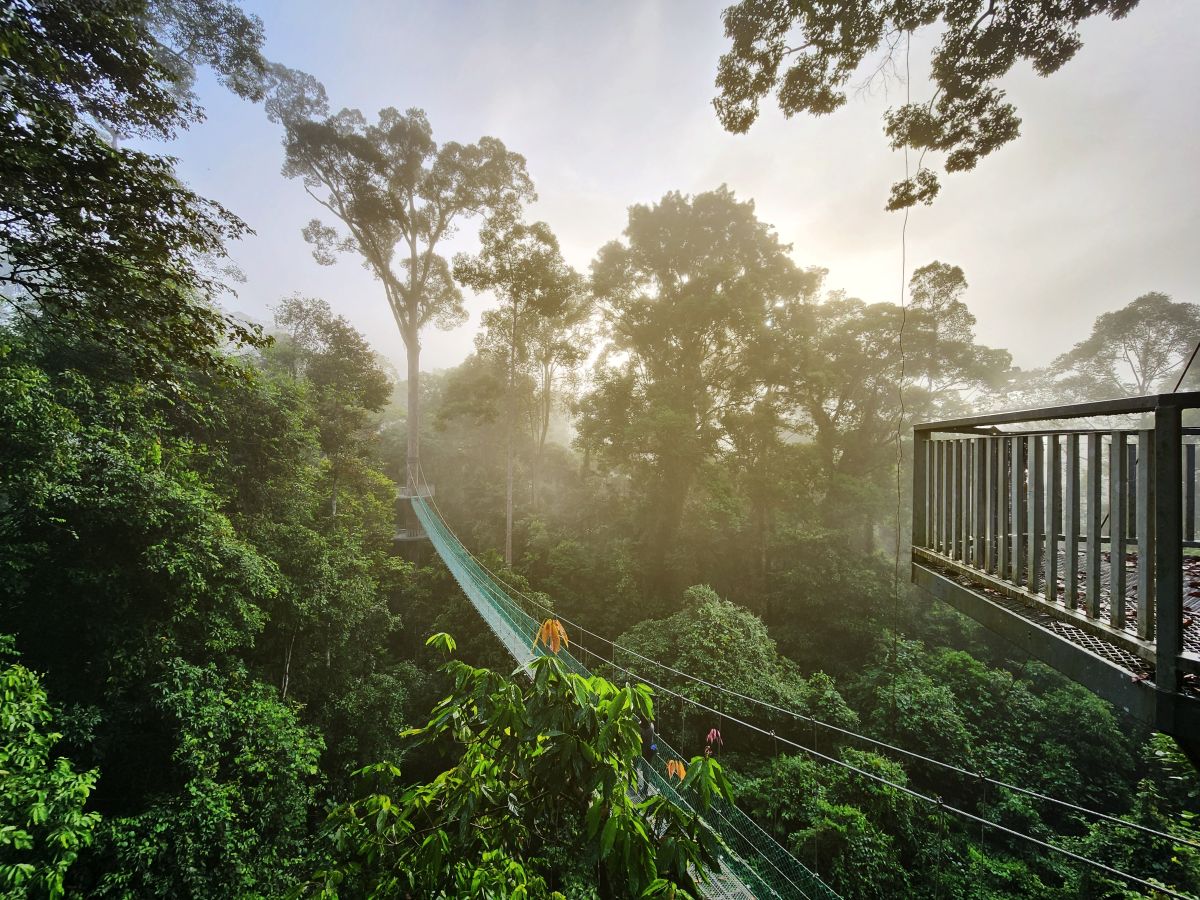
In the depths of Sabah’s lowland dipterocarp rainforest, you’ll find the Danum Valley Conservation Area. Because it’s always lacked human habitation, the site’s natural features exist mostly as they did millennia ago.
Malaysian authorities work hard to keep this preserve unspoiled and strictly supervise all visits. Follow their instructions closely and you’ll have the chance to see clouded leopards, Borneo elephants, Malayan sun bears, and a variety of rare primates including gibbons and (maybe even) orangutans.
Read more: Exploring Borneo off the beaten track
A trip to this natural sanctuary belongs on any itinerary of things to do in Sabah. The five islands comprising Tunku Abdul Rahman resulted from ancient ice melts and tectonic shifts off Borneo’s far northern coast.
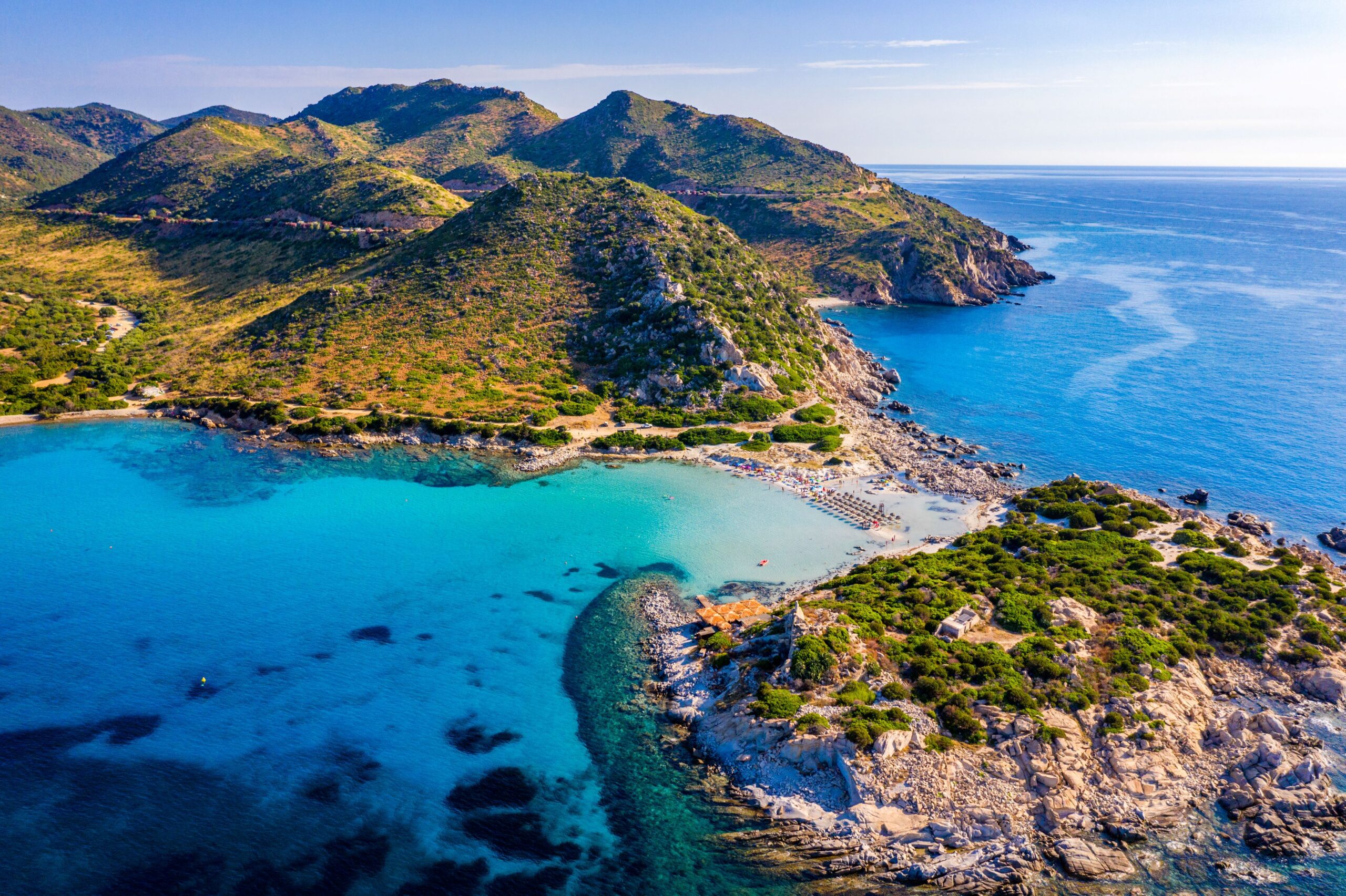
All these islands feature Borneo beaches that’d be on many superlative lists. Examples include Gaya’s Police Bay beach, virtually any part of the Sapi Island coastline, and the beaches on Sulug’s southern shore.
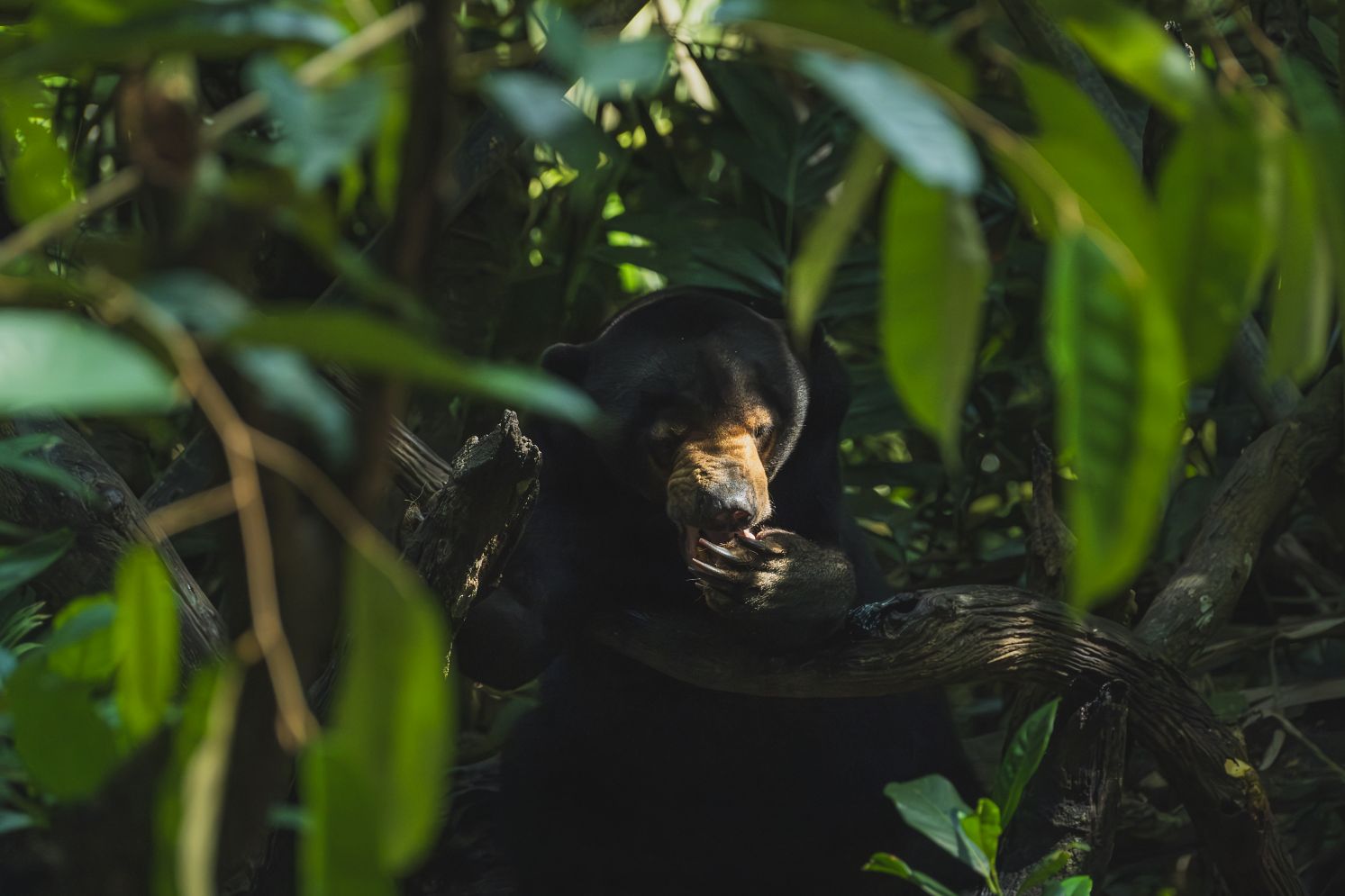
Though not as threatened as Borneo’s orangutans, growing dangers to the Malayan sun bear population have spurred protective efforts like the formation of this center adjacent to Tabin Wildlife Reserve. The facility and its staff have rescued more than 40 of these animals (the world’s smallest bear species) from illegal captivity or the threat thereof.
The Conservation Center features a constructed habitat that mirrors the bears’ typical environment, allowing them to develop as they would have without human disturbance. Future plans include the construction of more observation areas, so you may have an even better chance to see these joyous creatures in a few years.
You might not think of whitewater rafting as a perk of your visit to Borneo. But on the Padas River in southwestern Sabah, it’s a tremendous experience for adventure travelers.
We’ll note that while local raft operators will provide emergency gear like life preservers, you should be dressed in clothes that can withstand a bit of a soak. You most likely won’t fall in completely, but getting splashed by the rapids is all but guaranteed.
We’ve focused on Malaysian Borneo thus far because many of the truly unique natural wonders are found there. (Much of the inland area administered by Indonesia is heavily urbanized.)
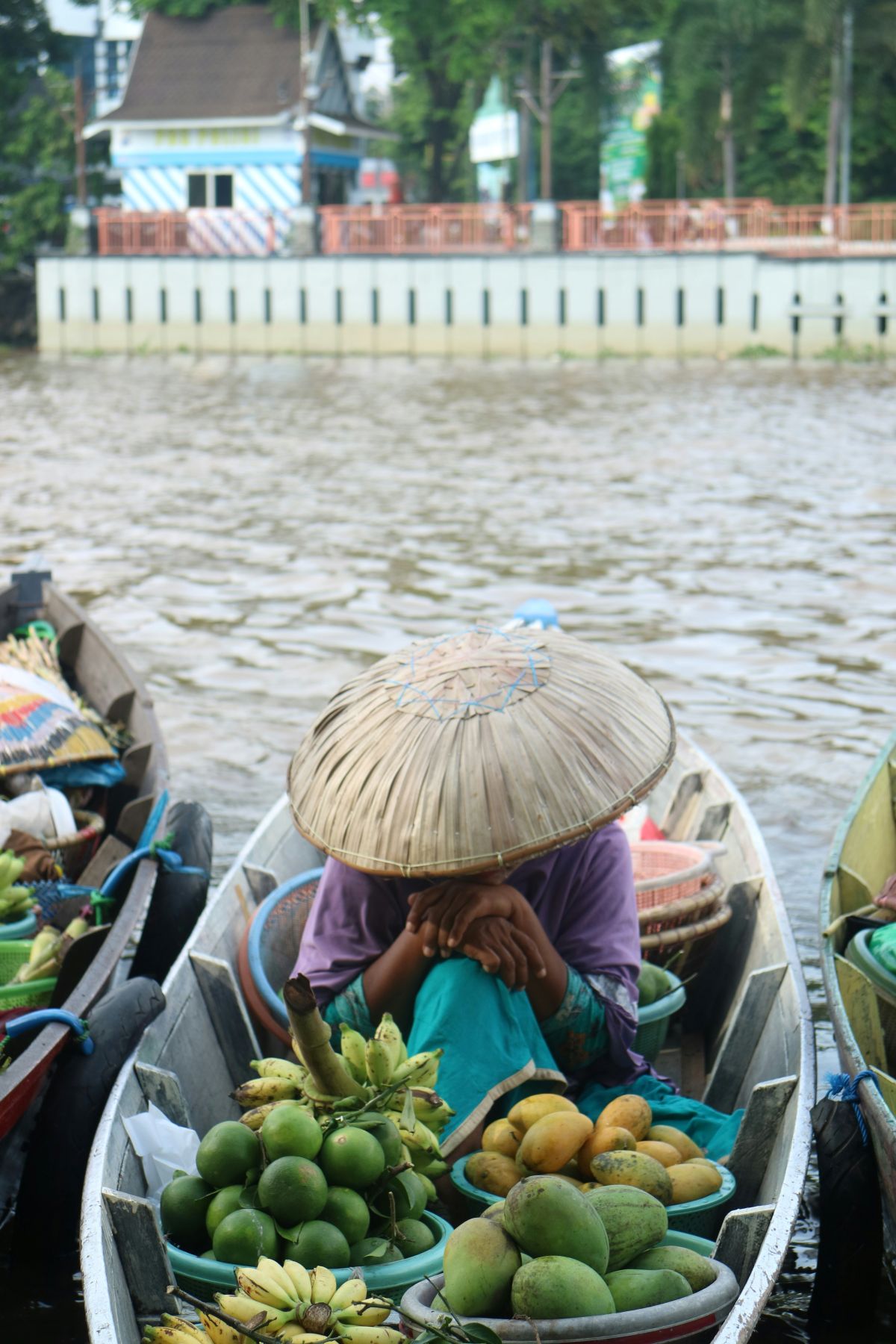
But the city of Banjarmasin features a unique experience in its “floating markets” — merchants on boats in the Kuin River who sell everything from local food and grocery staples to crafts. In fact, one of the best things about Banjarmasin is its indigenous Banjar culture. The surrounding state (South Kalimantan) is the birthplace of the unique theatrical form called mamanda, which depicts the foibles of ancient royals in a humorous, fourth-wall-breaking way.
Read more: Hanging out with orangutans at Camp Leakey in Borneo
Overlapping the Malaysian border, Brunei Bay features a wide variety of habitats (ranging from mangrove forests and tidal mudflats to coral reefs). Its major attraction is wildlife, especially the robust bird population (ruddy kingfishers, Chinese egrets, Bonaparte’s nightjars, and many more).
But it also features the chance to spot the extremely rare Irrawaddy dolphin. These travel only in a select few areas, including one in Borneo, and sometimes enter the bay from the Aloh Besar and Temburong rivers. Due to their rarity and endangered status, you shouldn’t interact with them, but seeing them is remarkable enough.
Our final list item returns us to northern Sabah, Malaysia, to the basin of the Maliau River. Similar to the Danum Valley, it’s largely untouched by human civilization. As such, the Borneo elephants, sun bears, clouded leopards, proboscis monkeys, and other animals mostly go about their business as if humans aren’t there (even when guided groups visit).
Waterfalls are the basin’s other primary attraction. Though it features dozens of them that lack names, the seven-tiered Maliau Falls and its cascades of blue-green freshwater are a sight you’ll never forget.
Generally speaking, you want to visit any tropical part of Borneo — most of the island — in the dry season from March to October. Choosing the “shoulder” months at either end of that period means you’ll face fewer crowds. Any time outside this window risks running into monsoons.
If you’re visiting a high-elevation part of the island or one with heavy non-tropical forest, you’ll want some warmer clothing in your luggage regardless of month. April is a particularly good time for hikers, while May and September could give you the best medium between animal visibility and crowds.
Read more: Discover the highlights of Malaysia
Make your next vacation in Southeast Asia one which you’ll never forget: reach out to our local experts based in Malaysia and Indonesia. They’ll help suggest even more special things to do in Borneo as they craft you a bespoke itinerary that entirely matches your budget, desires and requirements.
Join our mailing list for travel inspiration, trip recommendations, and insights from our local experts.