Classic Colombia
On this 7 day tailor-made tour, you will enjoy the highlights of Colombia. Visit Candelaria and Monserrate in Bogotá, enjoy a coffee tour and visit the Cocora Valley in the coffee region, and wander the colourful streets of the walled city of Cartagena.
Services
Included:
- Hotel accommodation in DBL basis
- Meals as mentioned
- Excursions mentioned with english-speaking guides
- Entrance fees
- Private transfers
- Contribution to reforestation (7 trees per person)*
- Travel assistance
- *When you book a tour with us, you are contributing to our reforestation project in Colombia and to which we contribute 1% of our profit yearly. Besides reducing the carbon footprint of your trip, you and us are contributing to regenerate degraded soil, to create new habitats for fauna species and to support local communities by the generation of legal employments. We really thank you for that!
- In most cases, your contribution is one tree per person per day and 4 trees absorb 1 ton of CO2 in 10 years. In average, each person generates 0,86 tons of CO2 in a 8-day overland trip (flights not included)*. Therefore, most of the trips of our travellers are carbon neutral. Kudos to you!
- If you would like to make a greater contribution to the offsetting of carbon emisions through our reforestation project in Colombia, please contact our staff.
Excluded:
- International airfare
- Domestic flights (Upon request)
- Excursions and meals not mentioned
- Personal purchases
- Tips and gratuities
- Visas and departure and arrival taxes if apply
Optional:
- Domestic flights (from USD $150 per person)
Itinerary at a Glance
Transfer from Bogotá Airport to your hotel - Transfer from Bogotá Airport to your hotel - At leisure in Bogotá
Bogota
Explore the Plazoleta del Chorro de Quevedo - Visit the Museo Del Oro - Ascend Cerro de Monserrate
Bogota
Domestic flight from Bogotá to Armenia - Domestic flight from Bogotá to Armenia - Transfer from Armenia airport to your hotel
Zona Cafetera
Visit a coffee hacienda - Explore the town of Salento - Visit the Valle de Cocora
Zona Cafetera
Domestic flight from Armenia to Cartagena - Domestic flight from Armenia to Cartagena - Transfer from Cartagena airport to your hotel
Cartagena
Rosario Island day tour
Rosario Islands - Cartagena
Transfer from Cartagena to the Airport - Transfer from Cartagena to the Airport - Domestic flight from Cartagena to Bogotá
Detailed Itinerary
Transfer from Bogotá Airport to your hotel - Transfer from Bogotá Airport to your hotel - At leisure in Bogotá
Day 1: Bogota
Transfer from Bogotá Airport to your hotel
Car Transfer: You will have a private transfer waiting at Bogotá Airport to take you straight to your hotel.
Estimated travel time: Between 15 minutes and 1 hour depending on hotel location
At leisure in Bogotá
Excursion: The vibrant capital of Colombia, and by far its largest city, Bogotá is bursting with colourful colonial buildings, cathedrals, street art, music, cuisine and green Andean peaks. Its chic northern districts hug the hills, hosting entertainment, boutique hotels and glam bars, whilst in contrast, the south struggles to entirely shake off its reputation for crime. Rest assured the historic, cobbled epicentre of La Candelaria will give you a taste of the wonderfully musical Colombian culture. And soaring above it all is the white-washed sanctuary of Christ Fallen, glinting atop the vertiginous Monserrate mountain.
Orient yourself with an exploration of the central Plaza de Boliver, ringed with four of Bogotá's architectural highlights: the city hall, the houses of congress, the supreme court, and the venerable Catedral Primada. Afterwards, head into La Candelaria proper and find one of the traditional restaurants selling Bogotá's signature dish - ‘ajiaco’ - a soup made with shredded chicken and three kinds of potatoes. Try ‘chicha’, an alcoholic corn-based drink, drunk since the pre-conquistador days of the indigenous Muisca people.
Away from tourist hordes, look around Chapinero, another popular central neighbourhood. Here you can find the Paloquemao market, held daily and offering a completely bewildering selection of exotic fruits hardly seen outside Colombia. For the daring, there is the Jugo de borojo y cangrejo, a traditional rural fruit shake thought to encourage virility, blended with live river crabs.
Alternatively, delve into Bogota's dynamic street art culture; including the bright, indigenous-inspired works of Guache, and the large women’s rights pieces by local Bastardilla. Or, join one of the excellent (and free) walking tours conducted by artists involved in the scene itself to gain an inside perspective on the works. If you have time you should head over to the Museo Botero - one of the best museums in Bogotá - to admire its impressive international art collection and discover the paintings and sculptures of one of Colombia's most renowned artists - Francisco Botero.
If your visit lands on a Sunday, you have the opportunity to experience a very different kind of Bogotá . Every Sunday morning, the congested streets are open to runners, bikers and skateboarders in what is known as the Ciclovia. Fitness instructors give free classes in stadiums and parks, and locals and visitors take to the roads to explore the town without the tumult of the traffic. Join them and explore a more relaxed city centre.
Explore the Plazoleta del Chorro de Quevedo - Visit the Museo Del Oro - Ascend Cerro de Monserrate
Day 2: Bogota
Explore the Plazoleta del Chorro de Quevedo
Excursion: Today you will walk around the neighbourhood of La Candelaria - the most famous colonial district of the colombian capital - and explore its narrow streets and beautiful architecture. First you will walk to the Chorro de Quevedo, a small dusty square believed to be the site where Bogotá was founded in 1538 by conquistador Gonzalo Jimenez de Quesada. However, its historical significance doesn't begin here: according to the earliest chroniclers that accompanied the first conquistadors, it was also the site where the indigenous Muisca rulers would have sat and surveyed the expanse of their territory stretching across the Sabana below.
You will approach the square along a narrow, cobbled street called Calle del Embudo. Walk around the breezy plaza and have a look at the tiny Chapel of San Miguel del Principe, built in 1969 when the square underwent other restoration work. It is designed to resemble the historic Chapel of the Shrine, the first Christian church ever to be constructed in Bogotá. Peruse the many craft shops at the plaza’s periphery, and head into your choice coffee shop for a Colombian brew to recharge.
Visit the Museo Del Oro
Excursion: A trip to the Museo del Oro is one of the most popular things to do in Bogotá, for this museum boasts of over 55,000 pieces of gold along with other artefacts from pre-Hispanic cultures in Colonbia. You will continue your walking exploration of la Candelaria by heading towards the Museo Del Oro (Gold Museum), located in downtown Bogotá, whilst passing churches, palaces and other museums on the way. Look out for its brutalist concrete exterior, an amusing contrast to what is housed inside: the largest collection of gold in the world. 6000 pieces of gold are on display, representing the artistic and votive works of every major indigenous culture in Colombia. This includes the Muisca, the civilisation that developed in the Andes mountains around Bogotá and northern Colombia. Study the exhibitions inside and discover why the Museo Del Oro is the most celebrated museum in the country.
The building is laid out across three storeys, with the top two acting as exhibition space. The second floor presents archaeological findings according to region, with bilingual explanations for how the items were used. Look out for the beguiling transformational creatures made out of gold, such as jaguar-frog or man-eagle, perhaps hinting at the hallucinogenic visions of shamans in Muisca religious rituals.
The third floor is occupied with gold figurine offerings, or ‘tunjos’, that were central to Muisca ritual. Hundreds were found in Lake Guatavita, the forest-fringed crater north-east of Bogotá. One of the most famous pieces in the museum, the Muisca Golden Raft, may offer some clue as to why this is: the raft is thought to refer to the ceremony that inaugurated a new ‘zipa’, the ruler of the Muisca. A Spanish chronicler’s account recalls how the new ‘zipa’ would cover his entire body in gold dust, row out on a raft with his pre-eminent priests to the centre of Guatavita, tip a heap of ‘tunjos’ and other treasures into the lake, and submerge himself in the sacred water.
The arriving Spanish were beguiled by this story and began to refer to this ‘zipa’ as El Dorado, ‘the golden one’. Over hundreds of years, this grew into the myth of a lost city of gold of the same name, transfixing Europe’s avaricious explorers for centuries. The museum is a fascinating place to question these conflicting cultural associations surrounding gold: the sacred and artistic associations of the Muisca, and the commodified and wealth associations of the Europeans. Explore this museum and come face to face with the indigenous cultures of Colombia, before the very contents of this museum drove others to challenge them.
Ascend Cerro de Monserrate
Excursion: You will climb Cerro de Monserrate, the Andean peak that towers over Bogotá, its slopes beginning at the edge of La Candelaria district and ascending to 3152 metres above sea level. Atop the hill (cerro) is the Sanctuary of Saint Christ Fallen, a major pilgrimage destination due to the various miracles that have been attributed to its altar statue. The spot has been associated with Christian worship since the 1620s, although it was not until the 1650s that the first sanctuary was built, originally in the name of Monserrat’s Morena Virgin (near Barcelona) thus endowing the hill with its name. In 1917 an earthquake damaged the sanctuary, meaning construction of a new basilica started that year. Pilgrims were encouraged to help with the construction by each carrying at least one brick up to the summit with them on their visit.
Today you can either climb along the one hour walking path up to the peak, ride the funicular Monserrate train, or take the seven minute cable-car straight to the top. When you reach the summit, enjoy the panoramic views across the green Bogotá Sabana below - the ultimate way to do a Bogotá city tour! Downtown and south Bogotá are also easily visible looking west, so wait until evening and watch the sunset wash over the town’s dwarfed buildings.
Domestic flight from Bogotá to Armenia - Domestic flight from Bogotá to Armenia - Transfer from Armenia airport to your hotel
Day 3: Zona Cafetera
Domestic flight from Bogotá to Armenia
Scheduled flight Transfer: You will catch a domestic flight from Bogotá (BOG) to Armenia (AXM).
Estimated travel time: 1 hour.
Transfer from Armenia airport to your hotel
Car Transfer: Upon arrival at Armenia airport (AXM), you will be met by your driver and transferred straight to your hotel for check-in.
Estimated travel time: 30-45 minutes.
At leisure in Hacienda Combia
Excursion: After checking-in and finding your room, enjoy some free time at Hacienda Combia, the colonial, plantation-style hotel you will be staying at. Relax in its cosy, rustic rooms, its wide cool verandas, or its lush gardens, all typical features of a Zona Cafetera hacienda. Unwind at the hotel's spa, in the infinity swimming pool floating over the verdant Quindio river valley, or in the Turkish bath, the sauna and jacuzzi. Or, go for a walk and explore the nearby coffee plantations and dense Colombian jungle that surrounds this hillside estate. Keep your eyes peeled for the vivid flash of an exotic bird, such as the motmot, or the over-sized beak of the toucan. Nearly 1900 species populate the country, so plenty of surprises await.
Visit a coffee hacienda - Explore the town of Salento - Visit the Valle de Cocora
Day 4: Zona Cafetera
Visit a coffee hacienda
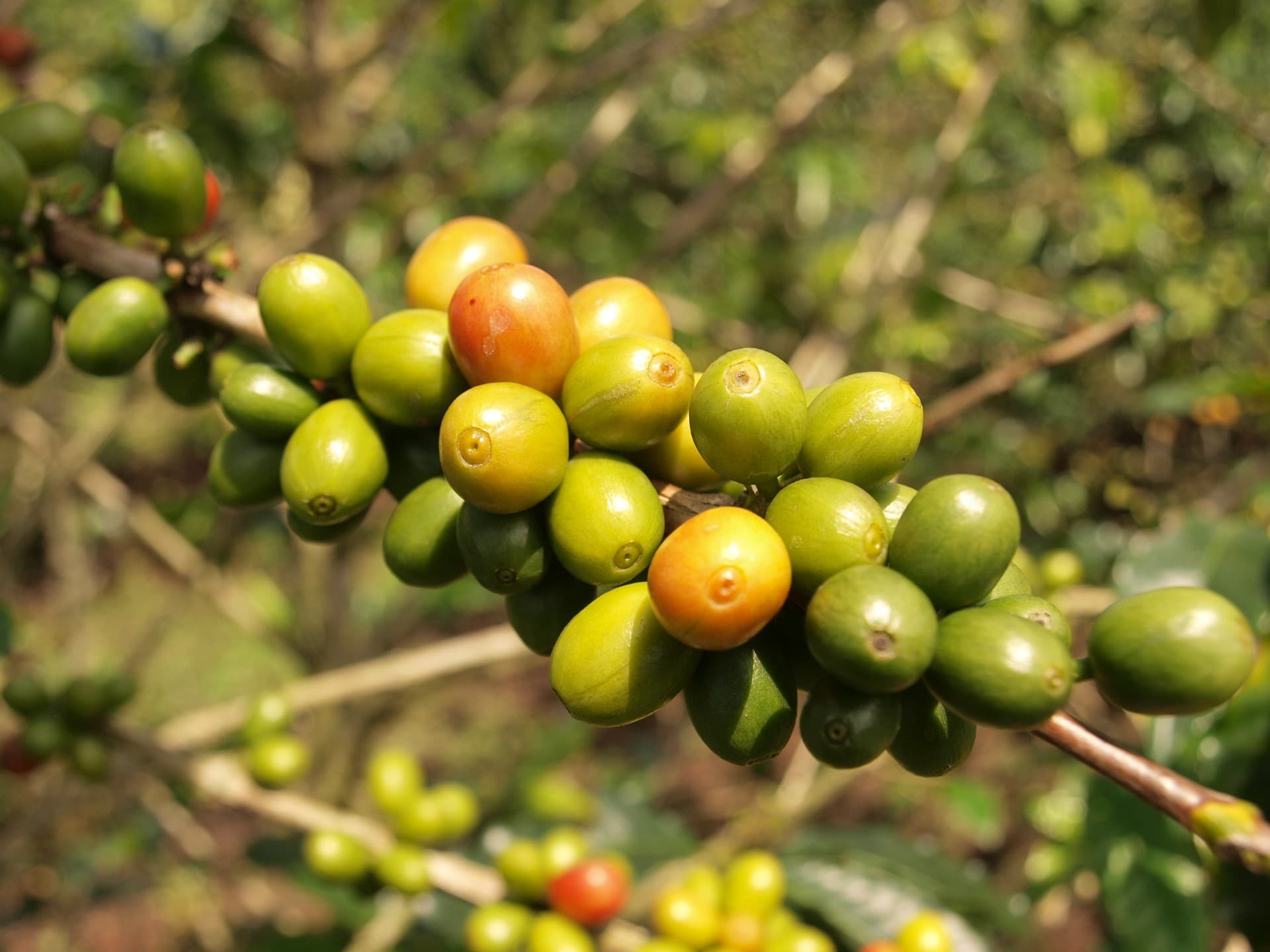
Excursion: This morning you will be shown around one of the nearby coffee haciendas. Your guide will take you around the beautiful main house as well as the lush grounds, and you will learn about the processes of coffee production, from picking to roasting, and how Colombia has become a world leader in arabica coffee. At the end of the tour, enjoy a tasting session of the brew in the main house.
Explore the town of Salento
Excursion: Set against beautiful green mountains, the small coffee town of Salento is soaked in traditional charm. Colourful homes with shaded patios line its quaint streets, and cafes serving locally produced arabica open onto its small squares. The saloons are full of locals in straw trilbies and ponchos drinking 'aguardiente', the town's tipple of choice, a kind of sugar cane brandy.
Walk down Calle Real and look into its many 'artesanias' (local craft stools), as well as its restaurants. For lunch, why not try the traditional grilled trout that is fished here, served on a very thin plantain crisp. At the end of the Calle Real is a staircase that takes you up to Alto de la Cruz, a hill topped with a cross. Here you can enjoy fantastic views of the Valle de Cocora and its surrounding cordillera of Andean mountains. If there is a clear sky, you might spot the snow-capped volcanoes teetering behind on the horizon.
Visit the Valle de Cocora
Excursion: You will then be driven from Salento up to the Valle de Cocora, a section of the wider Los Nevados National Park, high in the Quindío river valley. The traditional mode of transport is a Willy's Jeep taxi, the usual vehicle for transporting coffee around the region, originally imported from the US after the Second World War. You will be driven up to the main camp in the valley, where you will be able to explore the valley floor and witness what makes this place so famous: it is home to the largest palm trees in the world, the truly gigantic Quindío wax palm, now a national symbol of Colombia. For a sense of perspective, nothing compares to walking among the bases of these colossal trees.
Once at the camp, you will have the option of either walking or riding horseback up to the Bosque de Niebla - the fog forest. Due to its Andean altitude the area is rather humid and prone to atmospheric cloying mist, adding to the mystery of the place. Once you have climbed up here, look out for birds fluttering above you, as the area is a sanctuary for hummingbirds. You will then visit the very tallest of the palms and witness an indigenous ritual carried out here.
Domestic flight from Armenia to Cartagena - Domestic flight from Armenia to Cartagena - Transfer from Cartagena airport to your hotel
Day 5: Cartagena
Domestic flight from Armenia to Cartagena
Scheduled flight Transfer: You will fly from Armenia (AXM) to Cartagena (CTG), with a stopover in Bogota.
Estimated travel time: 3 hours.
Transfer from Cartagena airport to your hotel
Car Transfer: Upon arrival in Cartagena airport (CTG), you will be met by your driver and transferred directly to your hotel for check-in.
Estimated travel time: 30-45 minutes.
Ascend Cerro de la Popa
Excursion: Today you will ascend the Cerro de la Popa to have a look around the lovely stone convent at its peak, as well as the stunning views of the city from this 150 metre-high vantage point. Literally meaning 'hill of the stern', according to its apparent similarity to the rear of a ship, the convent at the top was first founded by the Augustine fathers in 1607. The convent was originally wooden, and was replaced by the current stone edifice two centuries later when the surrounding hill was fortified.
Look around the convent's chapel and flower-filled cloister, and study the ornate image of La Virgen de la Candelaria inside. Look out too for the eerie statue of a speared Padre Alonso Garcia de Paredas, a priest who was murdered along with five soldiers for preaching the word of God.
Explore San Felipe Castle
Excursion: You will then visit the formidable San Felipe Castle, the greatest fortification ever built by the Spanish in any of their colonies. The original, smaller structure was built in 1657, and was greatly extended in 1762 into the sprawling behemoth you see today, almost entirely covering the 40 metre high San Lazaro hill it is situated on. Numerous attempts to take the fort have been made over the centuries, but it has remained entirely impregnable. One of the Royal Navy's most humiliating defeats occurred here when Admiral Edward Vernon failed to take the castle from its 3000 strong garrison with his force of 23,000 men and 186 ships.
Climb along its defences and explore its many batteries, parapets and cannons. Once you reach the top, enjoy the vast views across the city and coastline, and imagine the importance of this strategic position in times of siege.
Finally, there is a dense system of tunnels below the fort, connecting key parts for distributing provisions during siege. They are designed to allow sound to reverberate all along its length, meaning the slightest footfall of an approaching enemy could be heard, as well as allowing for easy internal communication. Some of these tunnels are lit and open to visitors, and make for an eerie, atmospheric walk. Make sure to venture through these before you leave.
Rosario Island day tour
Day 6: Rosario Islands - Cartagena
Rosario Island day tour
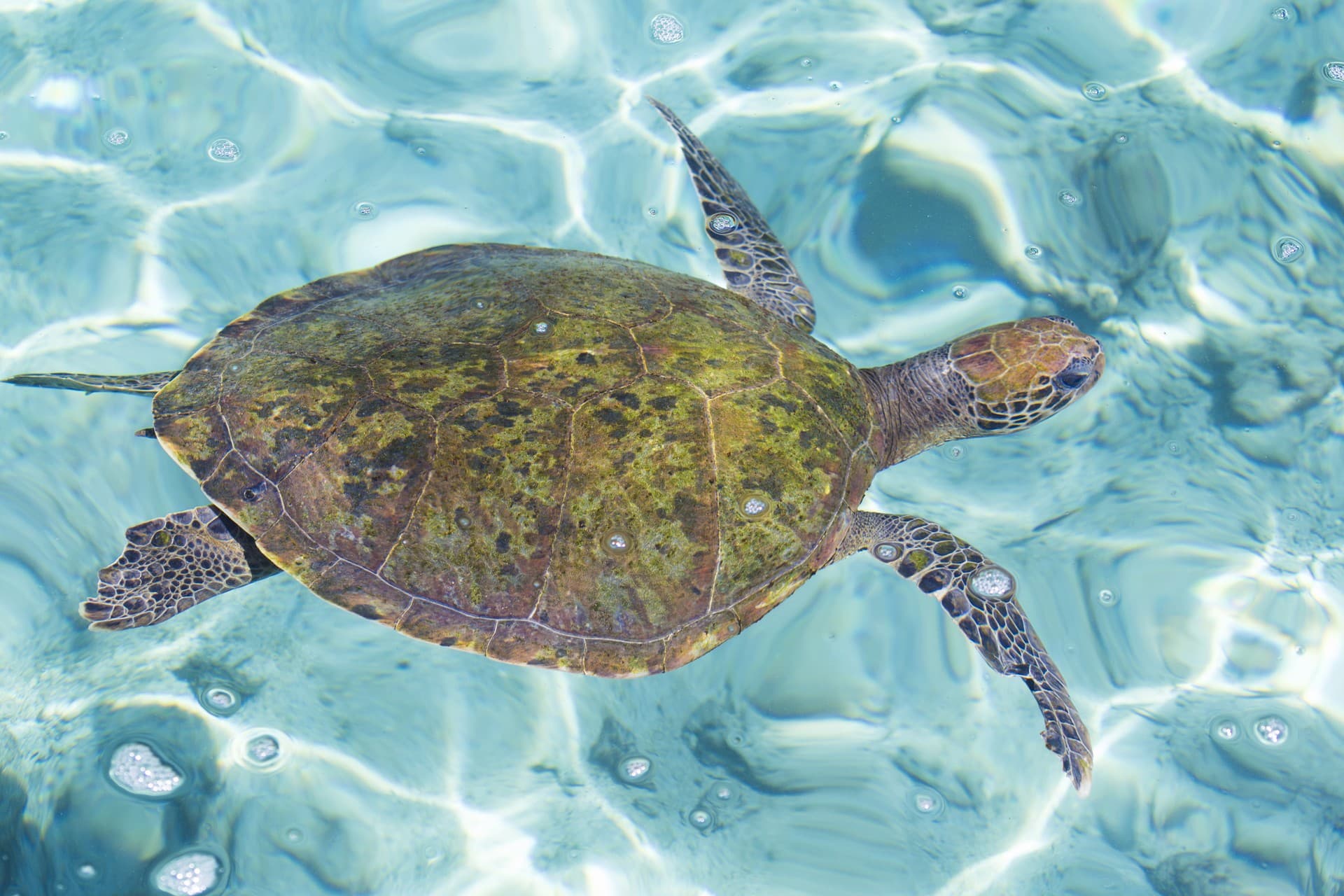
Shared Excursion: Today you will join a shared tour to the archipelago of Rosario, southwest of Cartagena's coastline. The collection of 27 small islands are completely surrounded by one of the most complete coral reefs of Colombia's Caribbean coast. Diving has been a popular activity here, but with warm ocean currents passing through in recent years, the quality has declined somewhat. Water sports on the surface remain popular, and the beaches are the best options for relaxing by the sea in the vicinity of Cartagena.
Play in the sea that seems to transform its colour every time you look at it, from turquoise to purple and every shade in between, and relax on the beach, tasting some of the excellent fresh fruit juices and other treats vended from stalls along the coast.
Suggested beaches to visit:
• Playa Blanca
• Cholon
• Isla Grande
• La Piscina
• Caño Ratón
• Isla Arena
Includes: Driver, Portable cooler + ice, snorkeling glasses
Not Included: Lunch (optional: Lunch with Lobster or sea food menu), drinks or other.
Transfer from Cartagena to the Airport - Transfer from Cartagena to the Airport - Domestic flight from Cartagena to Bogotá
Day 7:
Transfer from Cartagena to the Airport
Car Transfer: You will be met at your hotel and driven to Cartagena airport (CTG) in ample time for your flight.
Estimated travel time: 30-45 minutes.
Domestic flight from Cartagena to Bogotá
Scheduled flight Transfer: You will catch a domestic flight from Cartagena (CTG) to Bogotá (BOG).
Estimated travel time: 1 hour 30 minutes.


