The magic of visiting Japan in December
June 29, 2026
Turkey sits at a fascinating crossroads where Europe meets the Middle East, reflecting an intriguing blend of both cultures. You’ll find Ottoman-era mosques standing alongside modern art galleries, and Mediterranean cuisine mingling with Middle Eastern flavors. It’s a place where East and West combine to captivate an increasing number of travelers forgoing the Greek islands for something a little different.
So, when is the best time to visit Turkey without the crowds, the heat and the high-season prices? The answer lies in the sweet spot of the shoulder seasons: April–May and September–October. These golden windows offer the perfect balance of pleasant weather, fewer tourists, and more breathing room to truly connect with the country.
Whatever your vacation style, Turkey has something for everyone. Explore the cultural treasures of Istanbul and Ankara without the queues, relax on the Turquoise Coast when the beaches are quieter or experience the magical valleys of Cappadocia. Turkish cuisine is underrated and comes alive in spring and fall, when markets brim with regional produce. And if you’re wondering when the cheapest time is to visit Turkey, shoulder season offers great value.

If you love vibrant colors and fresh energy, spring is your season. The weather is comfortably mild with daytime highs between 60–75 degrees Fahrenheit (15–24 degrees Celsius), ideal for exploring ancient sites like Ephesus or mingling with locals in some of the cities’ bazaars without breaking a sweat.
Crowds are fewer, meaning more pleasant sightseeing in Istanbul’s Blue Mosque and Hagia Sophia, and the countryside, from the Black Sea region to Cappadocia’s valleys, is green and lush. In the kitchen, spring is all about fresh herbs, artichokes, delicious tender lamb and delicate stuffed vine leaves, best sampled in Izmir’s neighborhood meyhanes or in the farm-to-table restaurants around Alaçatı.
Prefer golden sunsets and warm seas? Fall is perfect for coastal escapes. The weather is still warm, especially along the coast (70–85 degrees Fahrenheit/21–29 Celsius); the Mediterranean and Aegean waters are still inviting, but the beaches are blissfully quiet. It’s a time when the pace slows, the air cools just enough, and Turkey feels like it’s yours alone.
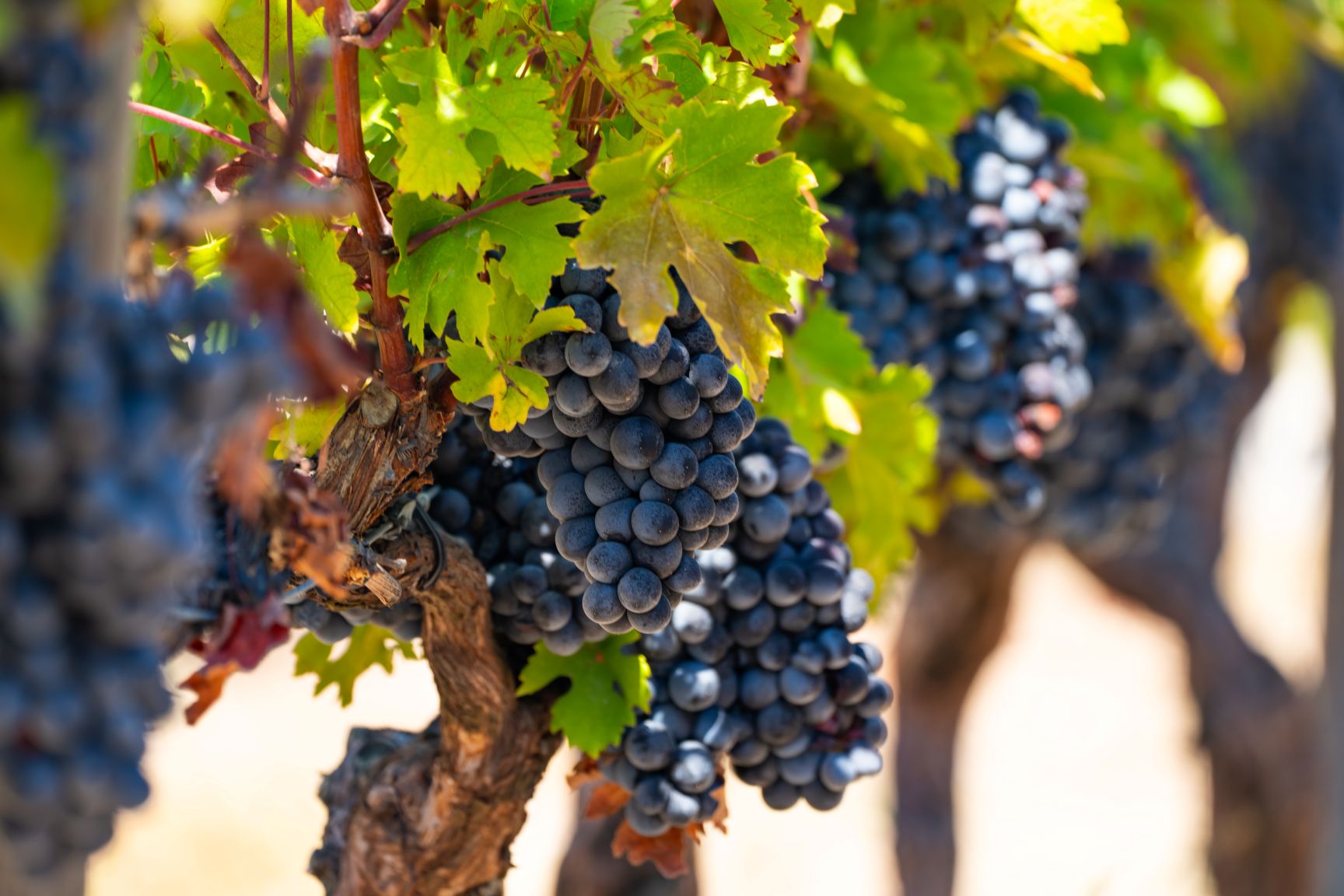
Inland, Cappadocia’s valleys glow in earthy tones perfect for photographers, harvest festivals are in full swing, and restaurants feature earthy mushrooms, rich pumpkin desserts and hearty cooking. Turkey has an expanding wine scene and fall is grape harvest season in wine regions like Bozcaada, Cappadocia and the Urla Wine Route near Izmir. For those wondering whether it’s worth going to Turkey in October, the answer is a resounding yes.
Read more: Your Turkey travel itinerary: top trip ideas and practical advice
Take our word for it; Istanbul is best seen during shoulder season. The weather is perfect for exploring the city’s historic heart — Sultanahmet, the Grand Bazaar and the Bosphorus waterfront, as well as for generally soaking up the atmosphere.
The cooler air makes it more pleasant to wander through neighborhoods like Balat and Kadıköy, full of street art, antique shops and local bakeries. And it’s easier to visit the Hagia Sophia, Topkapi Palace and Basilica Cistern without the high-season crowds. Enjoy leisurely meals in rooftop restaurants with sea views, or take a ferry to Kadıköy for a more local vibe.
Spring is festival season in Turkey, which means the chance to experience local celebrations, including in Istanbul. The spring equinox festival of Nevruz on 21 March celebrates renewal, with folk dances and bonfires, then the Istanbul International Film Festival in April attracts film buffs to see the best of Turkish and global cinema.
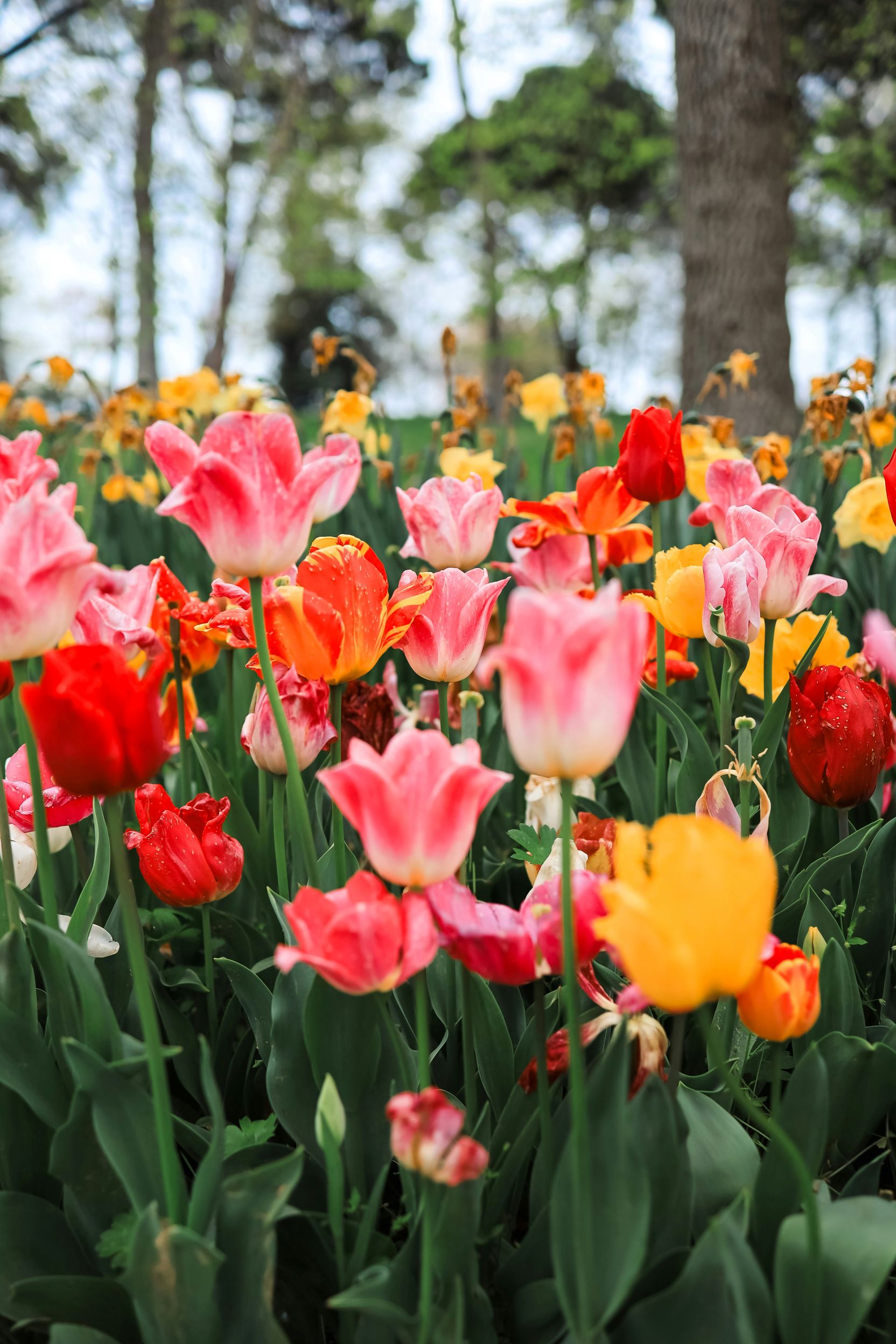
Another reason to choose April is to catch the Istanbul Tulip Festival, when millions of tulips give Amsterdam a run for its money in a nod to the flower’s Ottoman roots. Emirgan Park is the epicenter, but you’ll find tulips blooming across the city, from Sultanahmet to the Bosphorus waterfront and along almost every street.
While Istanbul may steal the spotlight, the rest of the Marmara region can be overlooked. In fact, the area offers plenty of cultural heritage, stunning landscapes, and a glimpse of authentic Turkey. Explore the grand mosques of Bursa, the first Ottoman capital, and sample its famous İskender kebab.
Reset with tranquil walks around Lake Iznik or soak in the thermal baths of Yalova. With mild weather, this less-visited region is perfect for a relaxing escape in shoulder season.
Read more: A cultural guide to Turkey
With its blend of ancient history and charming and laid-back coastal towns, this region is a favorite among Turkish travelers. In spring and fall the temperatures are mild, and the sea is still warm into October. The gateway to the Aegean coast is Izmir, a vibrant, cultural city with deep historical roots, known as Smyrna in ancient times.
Explore the ancient Agora Open Air Museum without the summer crowds and dive into the lively Kemeralti Bazaar, packed with spices, textiles and artisan crafts. Take a sunset stroll along the Kordon waterfront, then dine outdoors on Izmir’s fresh seafood.
From Izmir, it’s an easy day trip to Ephesus, one of the best-preserved ancient cities in the Mediterranean. Spring and fall are the best times to wander its well-preserved streets and temples while imagining ancient life, minus the soaring summer temperatures.
For a taste of the region’s culinary heritage, check out the nearby Alaçatı Herb Festival in spring, where the tiny town is packed with cookery demonstrations featuring regional herbs, or spend time exploring the Urla Wine Route during the fall harvest season.
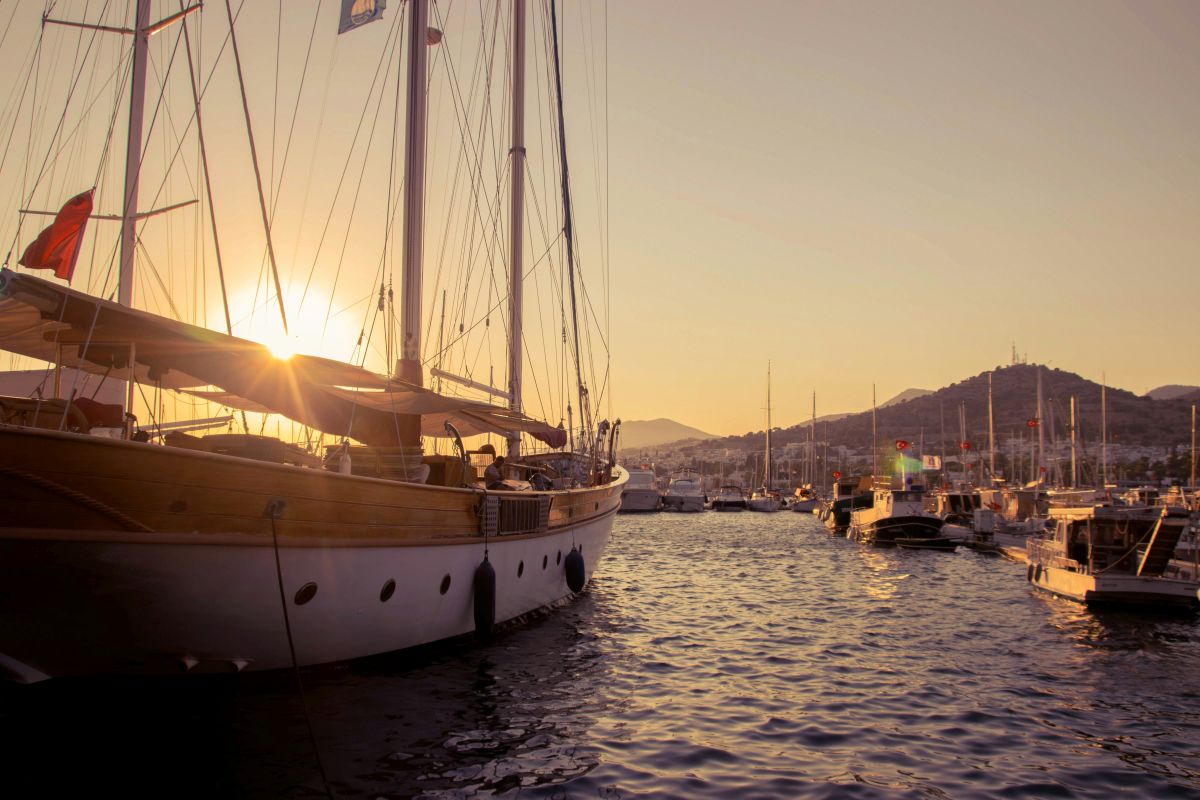
Bodrum’s reputation for sun loungers and nightlife is based entirely on the summer months. In shoulder season it reverts to an authentic Turkish town with a relaxed vibe and a thriving art and culinary scene. Stroll through artisan markets, browse boutique galleries, and savor fresh seafood and olive oil dishes in charming harborside restaurants.
Spring and fall are also perfect for exploring the surrounding area on hiking trails, hitting the cycling routes through pine forests and rural villages, or trying Turkish wines on a vineyard tour.
Just a few hours inland, you can experience the unique and otherworldly landscape of Pamukkale. The name roughly translates as ‘Cotton Castle’ — you’ll understand when you see the gleaming white travertine terraces, spread out like icing sugar, with pools fed by warm, mineral-rich springs that have drawn visitors since ancient times.
In spring and fall the cooler air makes soaking in the thermal pools even more enjoyable! At the top of the terraces, Hierapolis is a remarkably preserved Greco-Roman spa city where you can wander among temples, colonnaded streets, and a spectacular hillside theater.
This part of Turkey’s coast is often known as the Turquoise Coast or Turkish Riviera because of its crystal-clear sea, golden beaches and attractive towns. History is everywhere, from sunken cities to rock-cut tombs carved into the cliffs. The landscape is breathtaking with the Taurus Mountains standing guard over rocky coves, secluded bays and long beaches. Shoulder season is perfect for hiking the Lycian Way, a scenic trail that winds through pine forests and past hidden beaches.
Antalya is the region’s large, lively and cosmopolitan hub, but in shoulder season it takes on a slower, relaxed pace. With fewer tourists around, you can wander through the labyrinthine old town streets of Kaleiçi with its Ottoman-era houses, visit the 14th-century Yivli Minaret Mosque, or follow the locals to Mermerli Beach for a secluded swim right in the heart of the city.
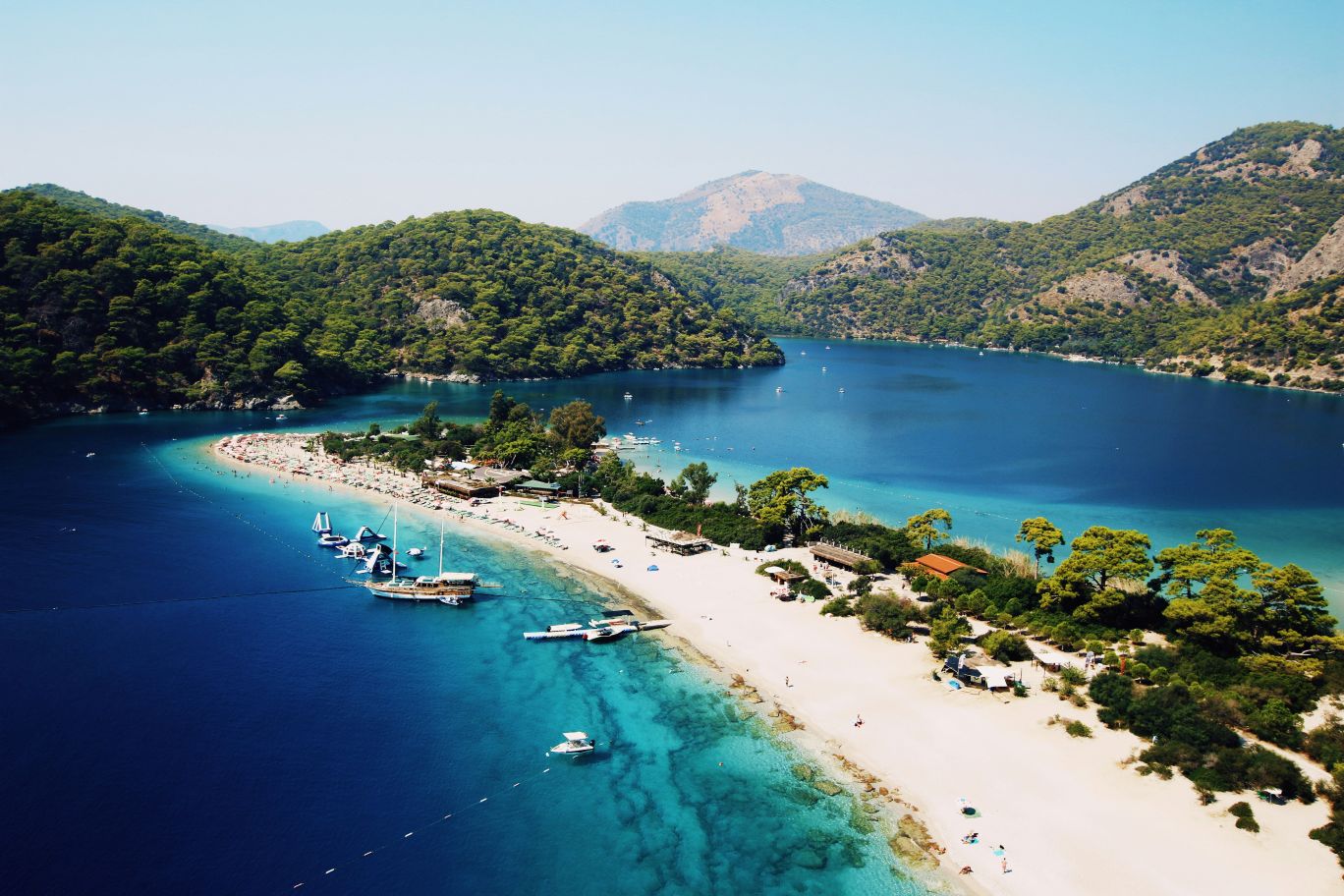
Kaş has a more laid-back vibe, with a tangle of atmospheric old streets full of independent shops, a boat-lined harbor and cool cafes in quiet squares. It’s a working town with an authentic Turkish feel, yet it’s small and relaxed; perfect for long meals over Turkish meze. Kaş has become known for diving, and PADI courses are popular here, and in September and October the seas are still warm.
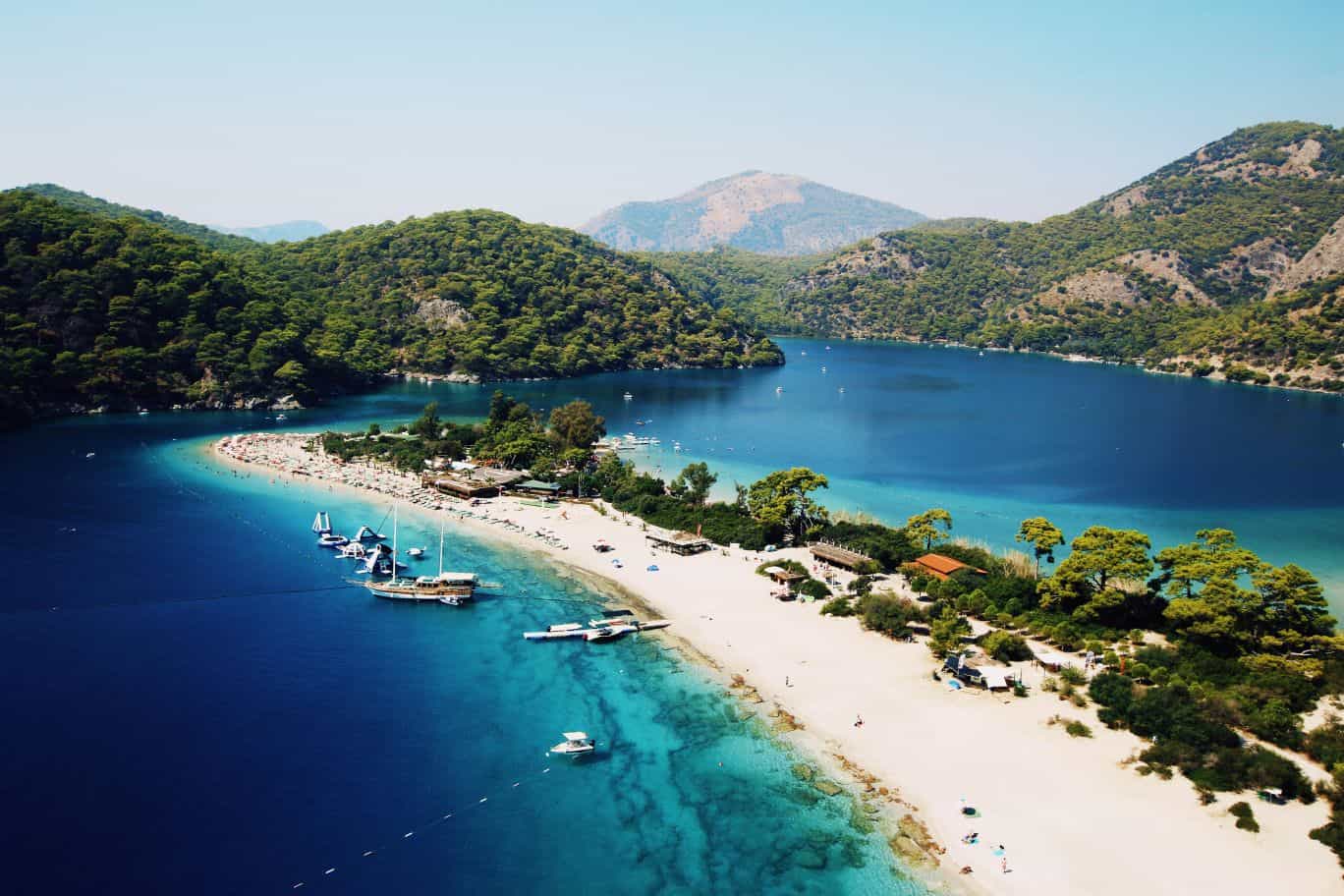
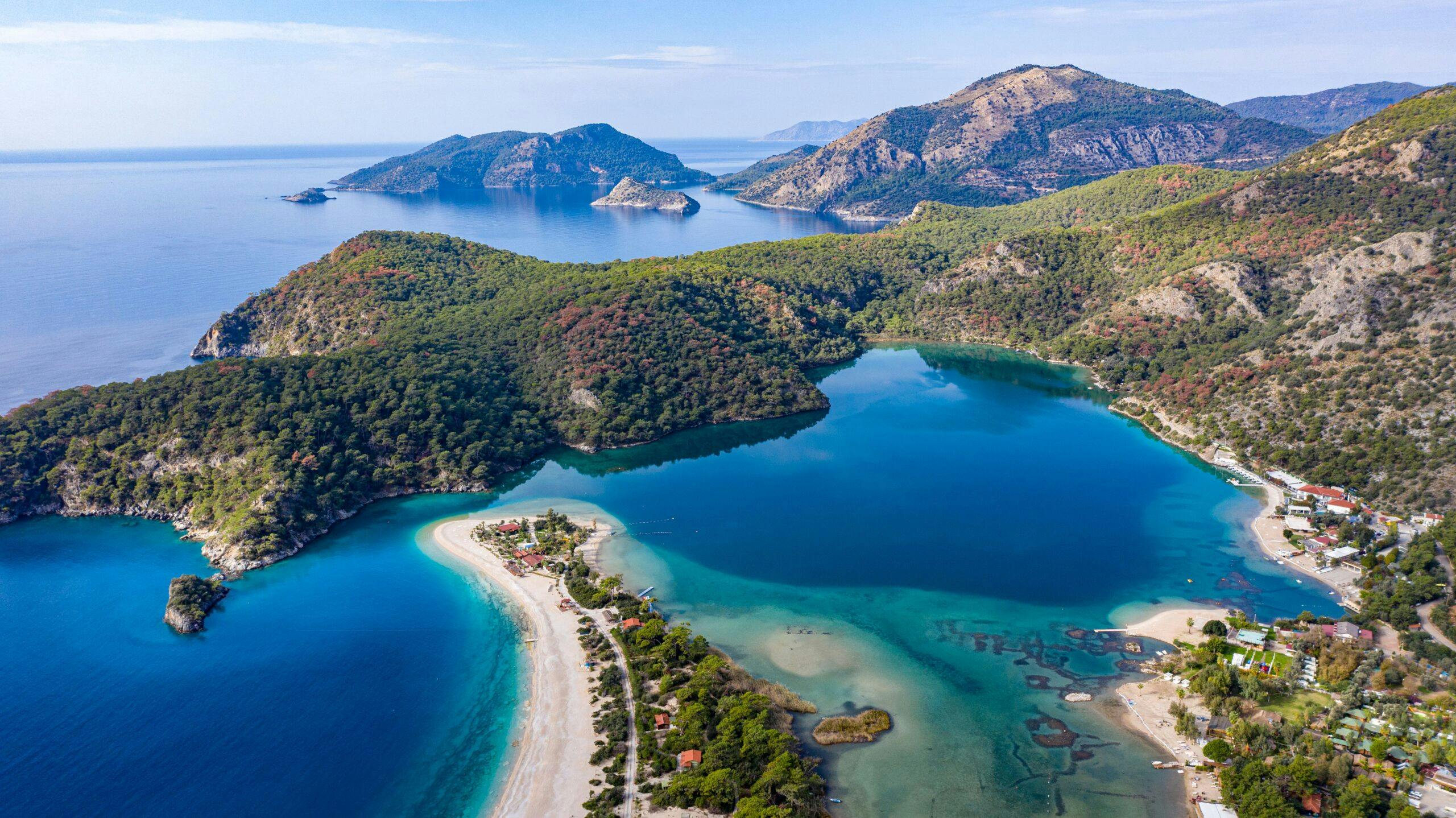
Further west, Fethiye is a hidden gem with a historic center, an attractive natural harbor and a small-town feel that belies its size. Jump on a traditional gulet and explore the area’s secluded coves, plus the Blue Lagoon at Ölüdeniz, one of Turkey’s most photographed spots. Inland, you’ll find ancient Lycian rock tombs carved into cliffs and lively markets brimming with local produce.
Read more: Winter sun tips for Turkey from our local experts
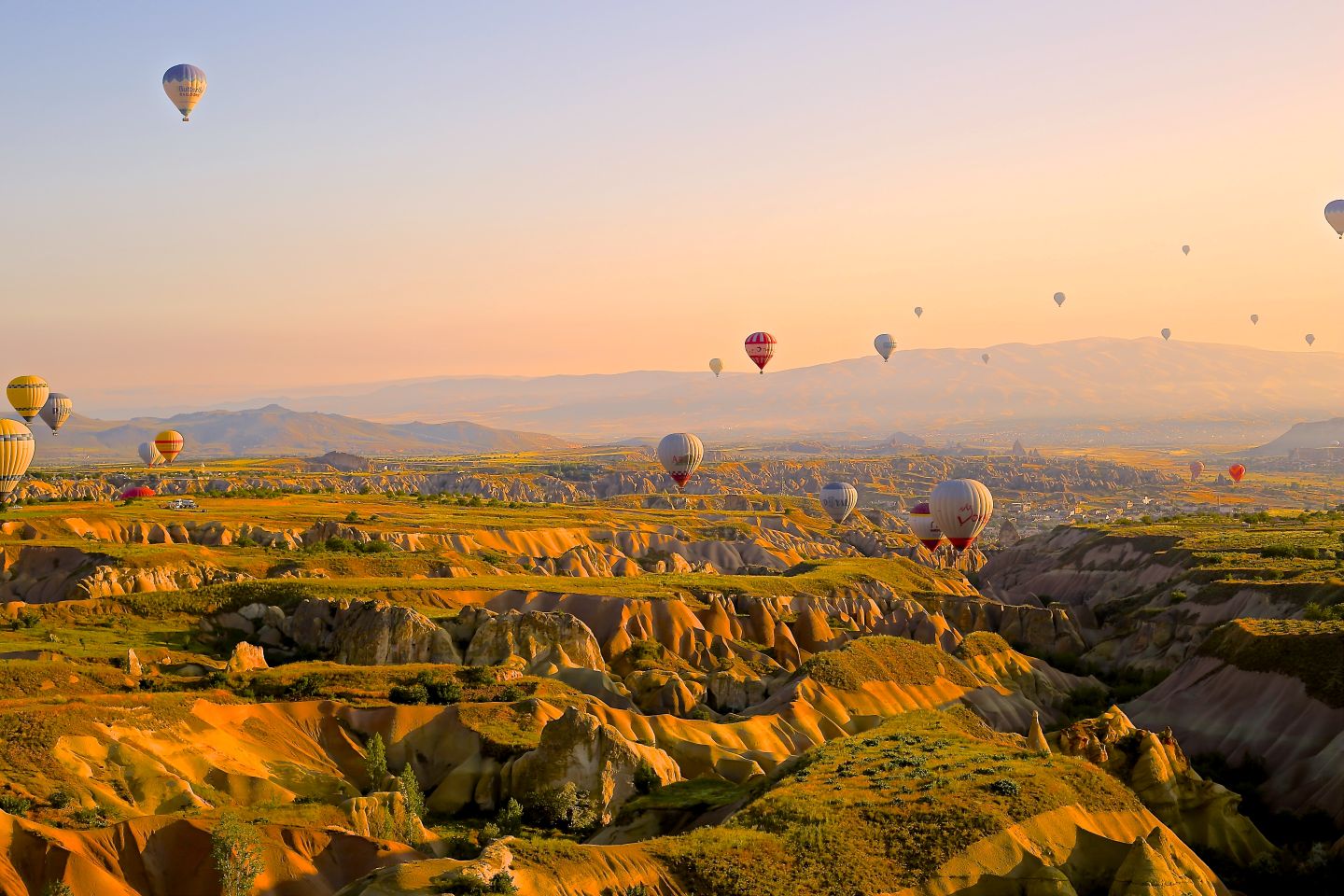
Cappadocia is famous for its surreal landscapes of fairy chimneys, towering, cone-shaped rock formations sculpted by volcanic activity and centuries of erosion. These natural wonders are scattered across the valleys, where hiking trails wind through pastel cliffs and hidden cave churches, and hot air balloons drift overhead. And if you do one thing in Cappadocia, it’s taking a balloon trip at dawn when the otherworldly scenery is at its most breathtaking.
If Cappadocia’s terrain wasn’t strange enough, beneath the surface you can explore labyrinthine underground cities, some eight levels deep and carved by early Christians as safe havens during invasions. Pair this fascinating glimpse into life centuries ago with your own cave experience and stay in a cave hotel in Göreme or Ürgüp.
Cappadocia is positively magical in shoulder season. In spring, wildflowers dot the hillsides, while in fall the landscape is bathed in golden tones. Cooler mornings mean comfortable hikes through the Rose and Love Valleys, and that hot air balloon ride will feel more intimate with fewer tourists in the skies.
Ready to plan your trip? Explore curated and inspiring trip ideas tailored to your interests over on our Turkey destination page, and reach out to our locally-based travel experts for a tailor-made adventure you’ll never forget.
Explore all featured destinations
Join our mailing list for travel inspiration, trip recommendations, and insights from our local experts.